
Parents often ask, “What is outcome-based education, really—and why are more schools in Manila talking about it?” Think of outcome-based education (often shortened to OBE education or an OBE education system) as learning that starts from the finish line. Instead of planning by chapters and clock hours, teachers first map the results that matter: what a learner should be able to explain, create, analyse, or perform with confidence. Only then do lessons, projects, and feedback take shape. That’s the heart of what outcome-based education is—clarity about destination, then purposeful steps to get there.
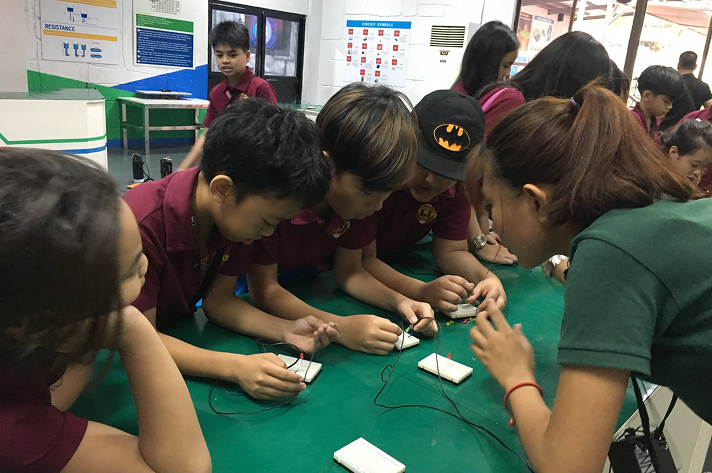
For many of us who grew up with the traditional model, the difference is subtle but powerful. Traditional classes often rely on lectures, note-taking, and a final exam. OBE-based education keeps the important content but asks a different question: can the student use it? In a science unit, for example, memorising definitions about ecosystems matters, but OBE pushes further—gathering local data, interpreting trends, and presenting a solution for a real issue like waste segregation or flood control. Knowledge becomes action. Grades become evidence. Progress looks like a portfolio of work, performances, and reflections that show growth over time, not just a one-day score.
Parents usually want two things at once: warmth and rigour. Outcome-based education is built for that balance. Because outcomes are clear, teachers can personalise the path—some learners need more practice with research or computation; others are ready to design prototypes or lead discussions. Feedback is specific (“You’re developing strength in explaining your reasoning; next time, show the data that supports your claim.”), and rubrics make success visible. It’s not about chasing points; it’s about demonstrating mastery.
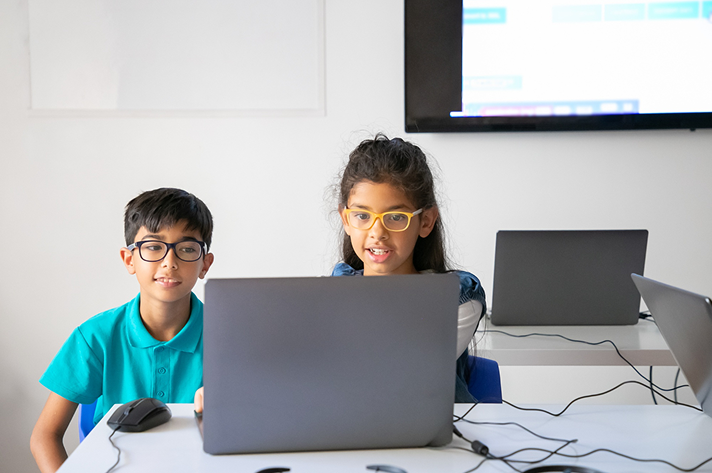
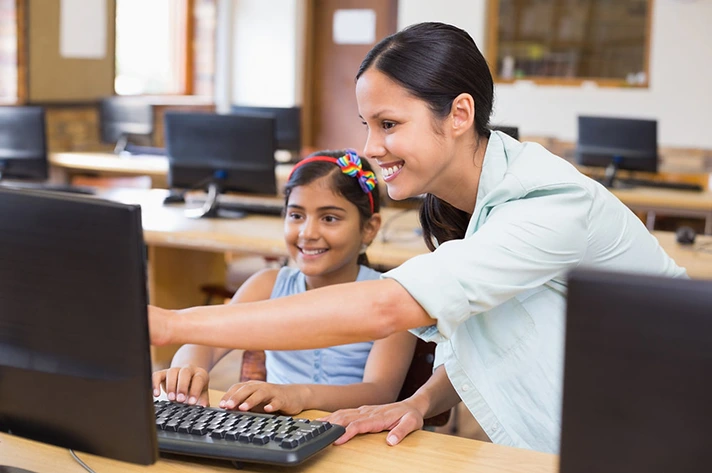
Technology in an OBE classroom has a quiet, practical role. Students maintain digital portfolios, visualise data, collaborate on shared documents, and revise drafts with comments. These tools mirror university and workplace habits without turning learning into a gadget show. The goal is still human: clear thinking, confident communication, ethical teamwork. The tech simply helps students show their learning more richly and receive timely feedback.
Families often worry that moving away from traditional grading means losing standards. In practice, standards become clearer. Instead of an opaque “85,” you see whether a learner is Beginning, Developing, Proficient, or Advanced on specific outcomes—communication, problem-solving, research, creativity. This transparency invites real partnership at home: you can celebrate progress, understand where support is needed, and watch growth accumulate over a term. Assessment stops being a surprise and becomes a conversation.
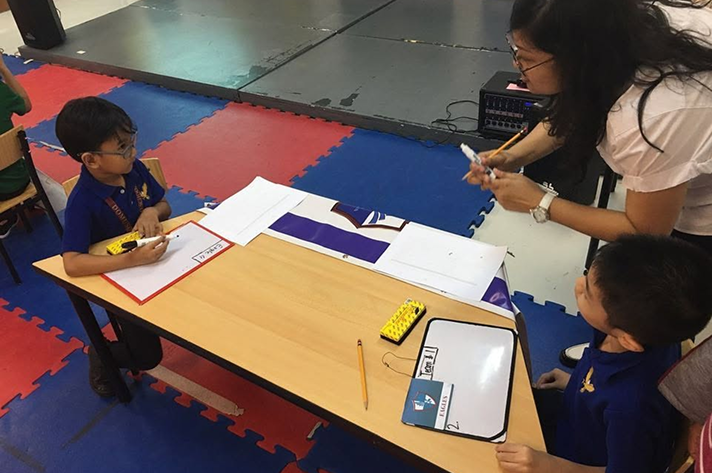
How does this look at a school that parents can actually visit? At Domuschola International School, OBE principles guide planning, teaching, and evaluation in age-appropriate ways. Teachers share outcomes with students and families, design inquiry-rich experiences that connect to local and global contexts, and balance assessments—performances, portfolios, and well-crafted tests—so grades reflect what a child can truly do. Character and global citizenship grow alongside academics, which fits Manila’s multilingual, multicultural reality. If you’re comparing options among schools in Manila, you can start exploring here: schools in Manila.
Because DIS values cultural perspective and language pathways, its affiliations also open doors for families looking for broader networks—including links relevant to Chinese schools in Manila. You can see those connections here: chinese schools in manila. These partnerships matter; OBE thrives when students apply learning in varied communities and contexts.
Does outcome-based education replace the traditional system entirely?
Not really. It refines it. Students still learn foundational facts and methods; they just practice using them. A literature essay remains; now it’s judged with a transparent rubric that spotlights argument quality, evidence, and clarity. A math unit still includes problem sets; now it culminates in analysing real data and presenting a recommendation. A history lesson keeps key dates; now it asks students to compare sources and defend interpretations. OBE doesn’t discard discipline—it deepens it.
For those of you thinking about college readiness, OBE is reassuring: the same outcomes that anchor courses—critical thinking, collaboration, communication, creativity—are precisely what universities and employers call for. Over time, a student’s portfolio shows patterns of persistence and accomplishment, not just a transcript of marks. That makes transitions—to senior high, to university, to internships—smoother and more meaningful.
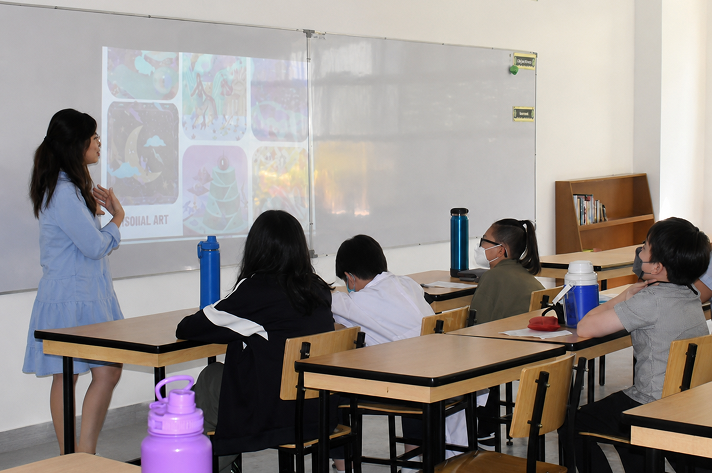
In practical terms, parents will notice a few everyday differences. Learning goals are posted or discussed at the start of a unit. Students know what “good” looks like because they’ve seen exemplars and unpacked rubrics. Feedback arrives in small, regular doses so improvement can happen while the learning is still in motion. Projects have audiences—classmates, parents, or community partners—so work feels purposeful. And yes, there are still tests; they’re just one piece of a larger picture.
If you’re new to OBE, the simplest way to evaluate it is to ask for evidence. What can my child show? How has their work changed since the start of the term? Where are they on each outcome, and what’s the plan to move forward? In an OBE classroom, these questions have clear answers. That clarity builds confidence—yours and your child’s.
Outcome-based education is, at its best, a promise: learning that is visible, usable, and future-ready. For families in Manila who want both heart and high standards, Domuschola’s approach offers a grounded path—rooted in outcomes, rich in feedback, and alive with authentic tasks—so students don’t just remember; they can do.