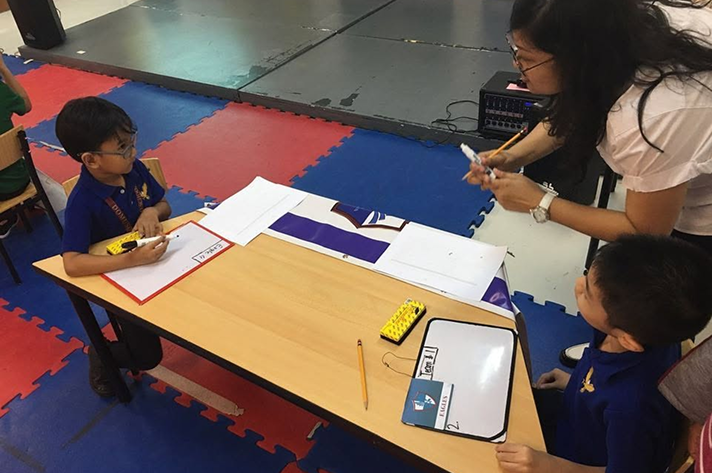


Choosing a school is one of the most significant decisions a family can make. It is not simply about enrolling in the nearest institution or following popular opinion; it is about identifying an environment where your child will grow academically, socially, and emotionally. With numerous options available — from local institutions to internationally benchmarked programmes — parents must carefully evaluate what truly defines quality education and long-term success.
When considering choosing a school, families should reflect on:
- Academic alignment and curriculum suitability for their child’s learning style
- The teaching approach and overall learning environment
- Safety and security measures that ensure peace of mind
- Location and accessibility for daily convenience
- Financial considerations and long-term budgeting
- Opportunities for holistic enrichment beyond the classroom
- Infrastructure and facilities that support all-round development
- Networking potential through alumni communities and career pathways
Understanding these reasons for choosing a school ensures that the school admission process becomes a purposeful and informed journey rather than a stressful obligation.
1. Academic Considerations: Finding A Curriculum That Aligns With Your Child’s Learning Style
Every child learns differently. Some thrive in structured, exam-oriented settings, while others excel in inquiry-based or experiential learning environments. Academic alignment begins with understanding how a school’s curriculum supports diverse learning styles and developmental needs, particularly during the formative primary school years.
This consideration directly relates to the core objective of choosing a school because the curriculum shapes the entire educational experience. A programme that aligns with a child’s strengths and interests can significantly enhance engagement, confidence, and long-term academic success. Parents should look beyond reputation alone and examine how subjects are taught, assessed, and integrated.
Proven examples include schools offering internationally recognised curricula such as the IB, Cambridge, or enhanced national programmes that emphasise critical thinking and conceptual understanding. Schools that differentiate instruction, provide personalised feedback, and integrate interdisciplinary learning often stand out among the best academic schools, as they cater to varied learning profiles effectively.
2. Learning From The Best: Understanding The Teaching Approach And Learning Environment
The quality of education depends not only on curriculum but also on the people delivering it. Educators who are passionate, experienced, and student-centred create classrooms where curiosity thrives and students feel valued.
This factor is crucial in the school admission decision-making process because teaching approach influences both academic outcomes and emotional wellbeing. A supportive learning environment encourages students to ask questions, explore ideas, and take intellectual risks without fear of judgement.
Examples of strong teaching approaches include inquiry-driven lessons, collaborative group work, and formative assessments that guide improvement rather than merely measure performance. Schools that invest in professional development and maintain favourable teacher-student ratios often deliver consistent quality education, positioning themselves among the most respected institutions.
3. Safe Space: Learn About The School’s Safety and Security Measures
A school must provide not only intellectual growth but also physical and emotional security. Parents naturally prioritise environments where their children feel safe, respected, and protected.
Safety considerations are fundamental when choosing a school because peace of mind enables students to focus fully on learning. From controlled campus access to safeguarding policies and anti-bullying programmes, comprehensive security measures reflect a school’s commitment to student welfare.
Proven examples include schools implementing monitored entry systems, emergency preparedness drills, and clear behavioural guidelines. Institutions that foster inclusive cultures and prioritise student wellbeing often provide a foundation for confidence and belonging — essential elements of quality education.
4. Location and Accessibility: Feasibility of Transportation
Practical considerations play a significant role in sustainable schooling. Long travel times can affect a child’s energy, focus, and overall wellbeing. Accessibility should therefore be carefully evaluated.
This subject matter connects directly to reasons for choosing a school, as convenience influences daily routines and long-term consistency. Schools located within manageable distances or offering reliable transport services allow students to arrive prepared and less fatigued.
Examples include institutions with organised school bus systems, safe drop-off areas, or strategic locations near residential communities. Parents who assess logistical feasibility early in the school admission journey are better equipped to maintain balanced schedules that support both academic and personal commitments.
5. Financial Consideration: Overall Cost And Budgeting
Investing in education requires thoughtful financial planning. Beyond tuition fees, families should account for additional costs such as uniforms, extracurricular programmes, learning materials, and field trips.
This factor is essential in choosing a school because sustainability matters as much as initial affordability. A realistic financial plan ensures continuity throughout a child’s academic journey without unnecessary strain.
Proven examples include schools offering transparent fee structures, flexible payment schemes, or scholarship opportunities. When families understand the full scope of financial commitment, they can make informed decisions that align with both educational aspirations and practical realities.
6. Holistic Enrichment: Availability Of Extracurricular Activities
Education extends beyond academics. Extracurricular activities can be found as early as pre-primary schools and provide opportunities for students to explore interests, develop talents, and cultivate social skills.
This aspect highlights the broader meaning of quality education. Schools that offer diverse enrichment programmes demonstrate a commitment to nurturing the whole child. Participation in arts, sports, clubs, and service initiatives fosters confidence, teamwork, and leadership.
Examples include debate societies that sharpen critical thinking, performing arts programmes that encourage creative expression, and sports teams that promote discipline and collaboration. Such opportunities contribute significantly to the overall appeal of the best academic schools, as they balance intellectual development with personal growth.
7. Beyond Academics: School Infrastructure And Sports Facilities
Modern infrastructure and well-maintained facilities enhance the learning experience. Classrooms equipped with updated technology, science laboratories, libraries, and sports complexes create environments conducive to exploration and innovation.
Infrastructure directly influences the primary school experience and beyond. Facilities that support varied learning modes — from hands-on experiments to athletic training — reflect a school’s dedication to comprehensive development.
Proven examples include multimedia classrooms that support digital literacy, science labs that encourage inquiry-based experiments, and sports fields that promote physical health. Such resources reinforce a school’s ability to deliver quality education consistently.
8. Networking Opportunities: Alumni Network And Prospective Career Paths
A school’s impact often extends well beyond graduation. Strong alumni networks and university placement records can offer insight into long-term opportunities available to students.
This factor is increasingly relevant when evaluating reasons for choosing a school, as families consider future academic and professional pathways. Schools that maintain active alumni communities often provide mentorship opportunities, internships, and global connections.
Examples include alumni success stories in respected universities, partnerships with international institutions, and career guidance programmes integrated into senior years. These connections position students advantageously as they transition from school to higher education and beyond.
Conclusion
Choosing the right school requires thoughtful reflection on academic alignment, teaching quality, safety, accessibility, financial planning, enrichment opportunities, infrastructure, and future networks. Each factor contributes to a comprehensive understanding of what defines true quality education. By carefully evaluating these elements, families transform the school admission process into a strategic and meaningful decision. Ultimately, the best choice is one that supports a child’s unique strengths, nurtures their aspirations, and prepares them confidently for the future. Thoughtful consideration today lays the groundwork for lifelong success tomorrow.