In an age where information is abundant and artificial intelligence can generate answers within seconds, the ability to think critically has become more valuable than ever. While students today have access to an unprecedented amount of knowledge, knowing how to evaluate information, distinguish facts from opinions, and make informed decisions remains a uniquely human skill. One of the most effective ways to develop these abilities is through research education.
Research is often associated with academic papers and classroom assignments and is a staple in secondary level education in the Philippines, but its true value extends far beyond the scholarly level and grades. Learning how to research teaches students how to ask meaningful questions, investigate evidence, analyse different perspectives, and arrive at reasoned conclusions. These are the same skills required for success in higher education, professional careers, and everyday life.
In this article, we will explore:
- What research education looks like in secondary schools and how it differs across educational systems
- Why research and critical thinking skills are becoming increasingly important in today’s world
- The common challenges schools face when teaching research effectively
- How Domuschola International School develops research skills progressively from the early years through the IB Diploma Programme
- Practical ways schools, teachers, and students can strengthen research and inquiry skills
- Why research education remains one of the most valuable foundations for future careers in the AI era
By understanding the connection between research and critical thinking, parents can better appreciate why inquiry-based learning has become one of the most important components of a modern education.
What Does Research Education in Secondary Schools Actually Look Like?
Research Education: More Than Just Writing Papers
Many people assume research education begins when students are asked to write lengthy academic papers. In reality, research starts much earlier and involves much more than documentation. Research education can begin as early as primary and secondary education. At its core, research education teaches students how to investigate questions, gather evidence, evaluate sources, and communicate findings effectively.
In the Philippines, students are formally introduced to research through subjects such as Practical Research 1 and Practical Research 2 during Senior High School. These courses teach learners how to formulate research questions, collect and analyse data, and present evidence-based conclusions. Other educational systems, such as those in Malaysia, integrate research skills across multiple subjects rather than offering dedicated research courses.
Research education matters because it shifts students from passive recipients of information to active investigators. Instead of memorising answers, they learn how to discover them independently.
Examples include conducting community surveys, designing scientific experiments, analysing historical sources, and investigating environmental issues. Through these experiences, students develop the confidence to ask questions and seek evidence before forming conclusions.
Comparing Research Learning Models
| Feature | Philippine Model | Malaysian Model | Domuschola IB Model |
| Structure | Dedicated research subjects | Integrated across subjects | Inquiry embedded across all programmes |
| Primary Focus | Research methodology | Inquiry and investigation | Critical thinking and lifelong inquiry |
| Assessment | Research papers and presentations | Subject-based projects | Extended Essay, Internal Assessments, inquiry projects |
| Outcome | Academic research skills | Cross-disciplinary thinking | Independent, globally minded learners |
Why Are Research and Critical Thinking Skills So Urgent Right Now?
The Growing Demand for Analytical Thinking
The modern workforce is changing rapidly. Employers increasingly value individuals who can think critically, solve complex problems, and adapt to new situations. While technical knowledge remains important, analytical thinking has emerged as one of the most sought-after skills globally.
Research education plays a critical role in developing these competencies because students learn how to examine evidence, challenge assumptions, and make informed decisions.
Examples include students evaluating multiple viewpoints on current events, interpreting scientific findings, or analysing business trends. These activities require learners to think independently rather than simply recall information.
Why Critical Thinking Matters Beyond School
Critical thinking is not only useful for academic success. It also helps individuals navigate daily life, particularly in an era where misinformation can spread rapidly through social media and digital platforms.
Students who develop research skills are better equipped to evaluate claims, verify sources, and make informed decisions. These abilities contribute to responsible citizenship and lifelong learning.
For example, learners researching health-related topics can distinguish evidence-based recommendations from misleading online content. Similarly, students analysing economic or environmental issues develop a deeper understanding of real-world challenges.
What Challenges Do Schools Face in Teaching Research Effectively?
The Shift From Memorisation to Inquiry
One of the greatest challenges schools face is balancing examination requirements with inquiry-based learning. In many educational environments, success is often measured through standardised testing, which can unintentionally prioritise memorisation over investigation.
This creates a challenge because genuine research requires students to explore open-ended questions, evaluate uncertainty, and develop independent conclusions.
Examples include students struggling to select meaningful research topics, feeling uncomfortable with ambiguous answers, or finding it difficult to manage complex data sets.
Supporting Teachers and Students
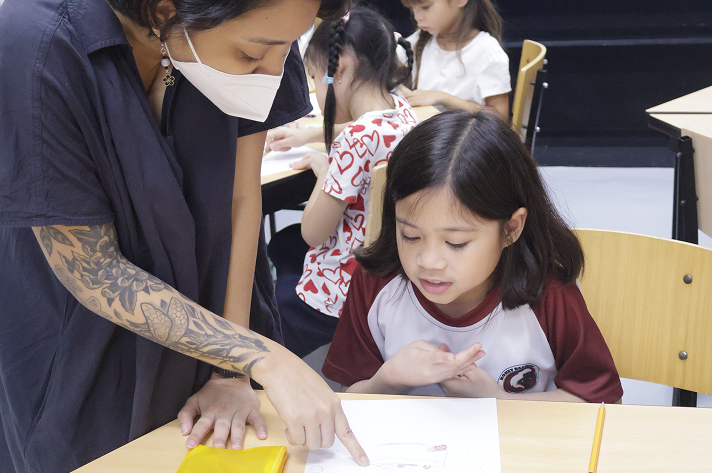
Research education is most effective when educators are trained to facilitate inquiry rather than simply deliver information. Teachers play a crucial role in guiding students through the research process, helping them ask better questions and evaluate evidence effectively.
Schools that invest in teacher development, inquiry-based learning frameworks, and student support programmes are often better positioned to cultivate strong research skills.
How Does Domuschola Build Research Skills from an Early Age?
Primary Years Programme: Developing Curiosity Through Inquiry
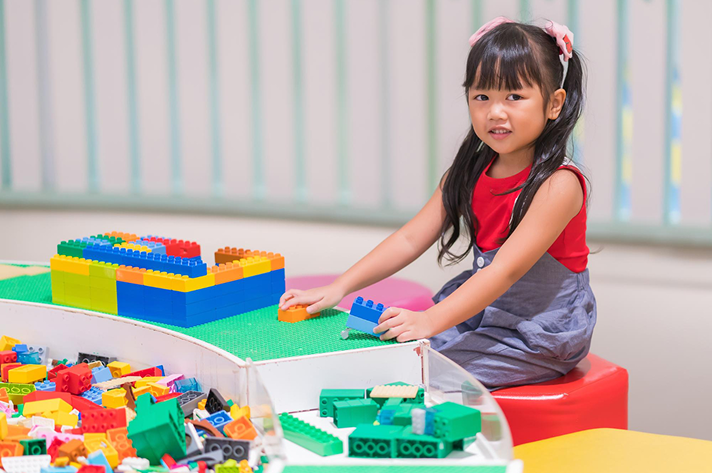
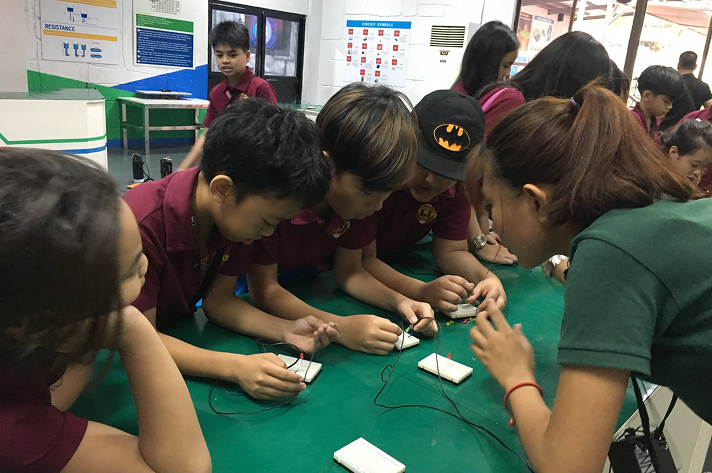
At Domuschola International School, research skills are not introduced only during secondary education. Inquiry begins during the Primary Years Programme, where students are encouraged to ask questions, make observations, and explore concepts through hands-on learning experiences.
This early exposure is important because curiosity forms the foundation of research. Students learn that asking thoughtful questions is just as valuable as finding answers.
Examples include classroom investigations, collaborative projects, and inquiry-based units that encourage exploration and discovery.
Cambridge Programme: Building Research Methodology and Academic Writing
As students progress into the Cambridge years, research becomes more structured. Learners develop stronger analytical skills, academic writing abilities, and research methodologies.
This stage is important because it helps students transition from guided inquiry to more independent investigation. Students learn how to evaluate sources, organise information, and construct evidence-based arguments.
Examples include interdisciplinary projects, independent research assignments, and presentations that require critical evaluation of information.
IB Diploma Programme: Preparing Students for University-Level Research
The culmination of Domuschola’s research pathway occurs within the IB Diploma Programme. Students undertake significant independent research through components such as the Extended Essay, Internal Assessments, and Theory of Knowledge.
These experiences mirror university expectations and prepare students for higher education by requiring sustained inquiry, critical analysis, and academic writing.
Examples include original research projects, extended investigations, and reflective assessments that challenge students to connect knowledge across disciplines.
Learning Within a Global Network
Domuschola students also benefit from being part of the Global Schools Group network, which spans multiple countries and cultures. This international environment provides opportunities to engage with diverse perspectives and global issues.
Exposure to different viewpoints strengthens research by encouraging students to consider multiple perspectives before forming conclusions.
What Can Teachers and Schools Do to Teach Research More Effectively?
Research education thrives when schools intentionally create environments that encourage inquiry. One effective strategy is introducing problem-based learning earlier in a student’s academic journey. When learners are challenged to solve authentic problems, research becomes meaningful and relevant.
Schools can also support research education by investing in teacher professional development, creating psychologically safe learning environments, and emphasising the learning process rather than focusing exclusively on outcomes.
Examples of successful practices include collaborative investigations, student-led projects, and structured opportunities for reflection and feedback.
What Can Students Do to Strengthen Their Research and Critical Thinking Skills?
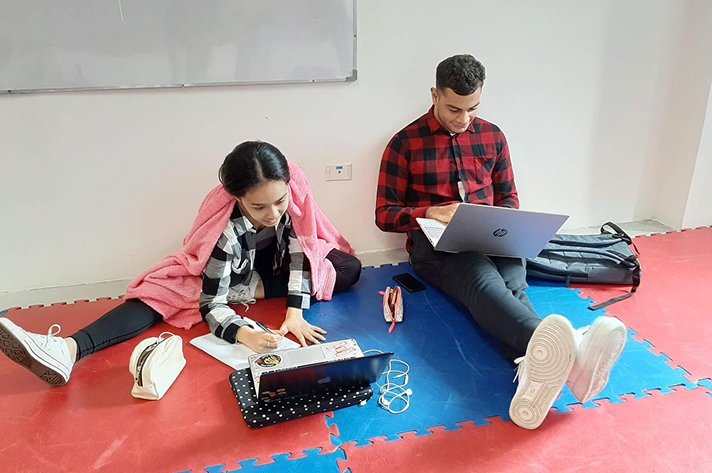
Students play an important role in developing their own research abilities. Strong research habits are built through curiosity, consistency, and a willingness to engage deeply with information.
Some effective habits include:
- Asking open-ended questions before beginning research
- Comparing multiple sources before drawing conclusions
- Keeping organised notes and documenting evidence carefully
- Reflecting on findings and considering alternative viewpoints
Students who approach research as a skill-building opportunity rather than simply an assignment often become more confident thinkers and independent learners.
Why Is Research Education the Foundation for AI-Era Careers?
Artificial intelligence can generate information quickly, but it cannot replace human judgement, creativity, and critical evaluation. As AI becomes increasingly integrated into society, the ability to analyse information thoughtfully becomes even more important.
Research education develops precisely these capabilities. Students learn how to question information, verify evidence, and synthesise knowledge into meaningful conclusions. These skills remain essential regardless of technological advancements.
Examples can be found across industries including healthcare, engineering, business, law, and technology. Professionals in these fields rely on research and critical thinking to make informed decisions, solve complex problems, and evaluate emerging trends.
Conclusion
Research education is one of the most powerful tools for developing critical thinking. By teaching students how to investigate questions, evaluate evidence, and communicate findings effectively, schools prepare learners for success far beyond the classroom. In an increasingly complex world shaped by rapid technological change, misinformation, and global interconnectedness, the ability to think critically has become indispensable.
At Domuschola International School, research skills are nurtured progressively through inquiry-based learning from the Primary Years Programme to the IB Diploma Programme. This continuous approach helps students develop curiosity, independence, and analytical thinking throughout their educational journey. By embedding research into every stage of learning, Domuschola empowers students to become confident thinkers, capable problem-solvers, and globally minded individuals ready to thrive in university, future careers, and life itself.
FAQ
1. How does Domuschola teach research skills to secondary students?
Domuschola develops research skills through inquiry-based learning, structured project work, academic writing, and the IB Diploma Programme’s Extended Essay, Internal Assessments, and Theory of Knowledge components.
2. Is the IB Programme suitable for Filipino students aiming for global university admission?
Yes. The IB Diploma Programme is recognised worldwide and prepares students for admission to leading universities by developing strong research, analytical, and communication skills.
3. Does research education help students outside of academics?
Absolutely. Research education strengthens problem-solving, communication, decision-making, and information literacy skills that are valuable in professional, personal, and civic contexts.
4. Is Domuschola International School the right choice for developing my child’s critical thinking?
Domuschola’s inquiry-based philosophy, internationally recognised programmes, experienced educators, and Global Schools Group network provide a strong environment for nurturing critical thinking and research skills.