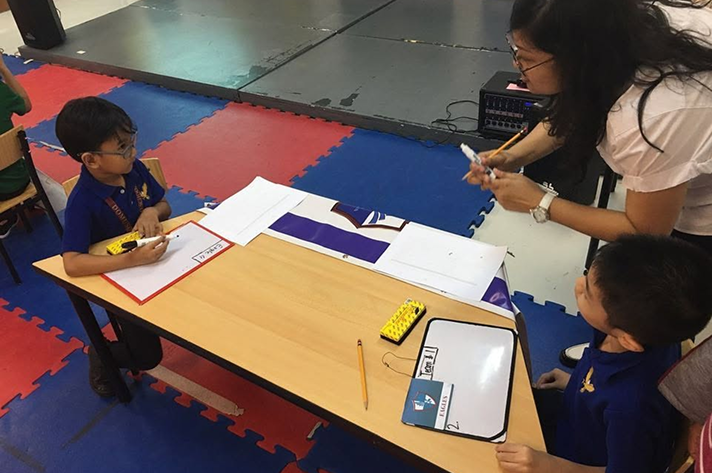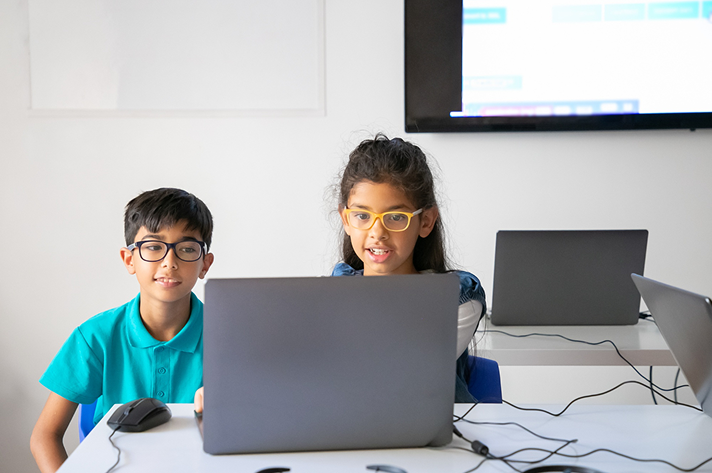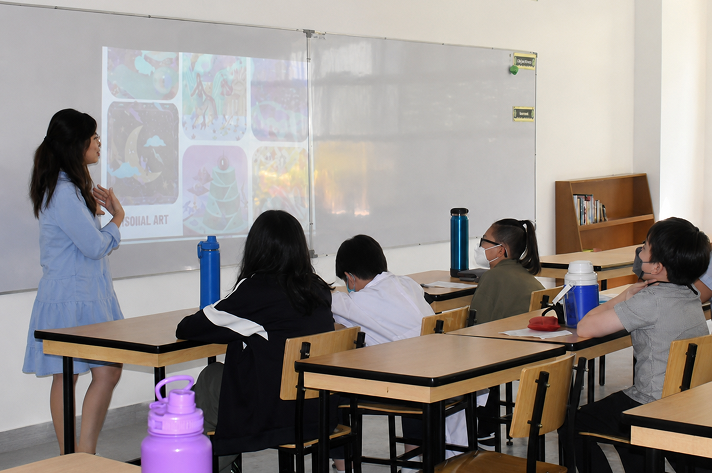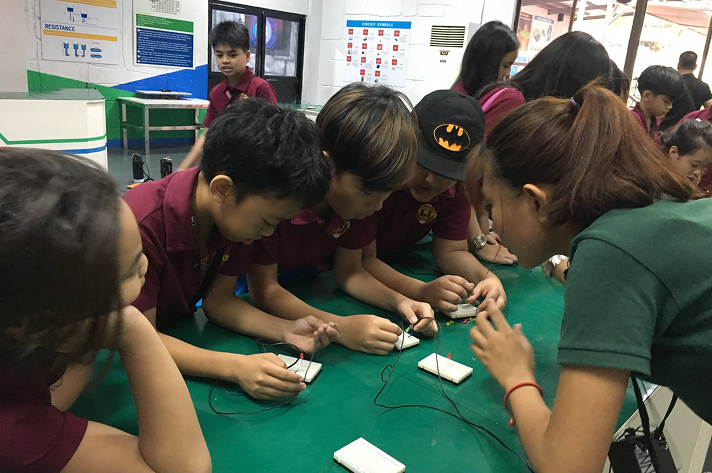

As parents become increasingly focused on preparing their children for a rapidly changing world, many are turning to educational programmes that go beyond traditional academic instruction. For many international schools in the Philippines, the International Baccalaureate Primary Years Programme (IB PYP) has gained significant popularity among families seeking an educational approach that nurtures curiosity, creativity, critical thinking, and global awareness from an early age. Rather than focusing solely on memorisation and standardised assessments, the IB PYP encourages children to become active participants in their own learning journey, helping them develop the skills and mindset needed for lifelong success.
One of the defining features of the IB PYP is its integration of play-based learning into the curriculum. Recognising that young children learn best through exploration, inquiry, and hands-on experiences, the programme incorporates meaningful play into daily learning activities. This approach allows students to investigate ideas, ask questions, solve problems, and develop a deeper understanding through active engagement. By combining academic learning with purposeful play, the IB PYP creates an environment where curiosity thrives, and learning becomes both enjoyable and meaningful.
In this post, we will explore:
- What the IB PYP is and how it supports young learners
- How the programme incorporates play-based learning into everyday learning experiences
- How learning through play encourages children to become naturally curious
- The developmental benefits of play-based learning in early childhood education
- How educators can inspire curiosity through innovative teaching techniques
- What parents can do at home to continue nurturing their child’s love for learning
What Is The IB PYP?
An Introduction to the IB PYP
The International Baccalaureate Primary Years Programme (IB PYP) is an internationally recognised educational framework designed for children aged 3 to 12. It focuses on the development of the whole child by integrating academic learning with social, emotional, and personal growth. Rather than treating subjects as isolated areas of study, the PYP encourages students to make connections across disciplines and explore concepts through inquiry-based learning.
The importance of the IB PYP lies in its commitment to developing students who are curious, knowledgeable, and reflective. The programme encourages children to ask questions, investigate ideas, and develop a genuine understanding of the world around them. This approach aligns closely with modern educational research, which suggests that active engagement and inquiry lead to deeper and more meaningful learning outcomes.
A strong example of this approach can be seen when students explore a unit of inquiry focused on communities. Rather than simply reading about communities in a textbook, students may investigate how communities function, interview local workers, create models, and discuss the roles people play in society. Through these experiences, children gain a richer understanding of concepts while developing communication and research skills.
How the IB Incorporates Play-Based Learning
Within the PYP, play-based learning in early childhood is viewed as a critical component of child development. Play is not treated as a separate activity from learning; instead, it is integrated into classroom experiences to support exploration, discovery, and inquiry.
This integration is important because young children naturally learn through play. When children engage in meaningful play experiences, they actively construct knowledge, test ideas, and build understanding through direct interaction with their environment. The IB recognises that play provides opportunities for children to develop essential cognitive, social, and emotional skills while maintaining enthusiasm for learning.
For example, students may participate in role-playing activities that simulate real-world situations, such as operating a restaurant or running a post office. Through these experiences, children practise communication, numeracy, collaboration, and problem-solving skills while remaining deeply engaged in the learning process. Similarly, construction and design activities encourage children to explore scientific and mathematical concepts through experimentation and creativity.
How Learning Through Play Encourages Kids To Be Curious
Curiosity is one of the most powerful drivers of learning. Children who are encouraged to explore, question, and investigate often develop stronger problem-solving abilities and a greater willingness to embrace new challenges.
The IB PYP uses play-based learning activities to create opportunities for students to discover answers independently. By allowing children to take an active role in their learning, the programme helps foster intrinsic motivation and a lifelong love of exploration.
Focused On Building Essential Cognitive Skills
Play-based learning provides children with opportunities to develop cognitive skills such as reasoning, memory, attention, and problem-solving. Through interactive experiences, children learn to analyse situations, make decisions, and think critically about the challenges they encounter.
These cognitive skills are important because they form the foundation for future academic success. When children are encouraged to think independently and solve problems through play, they develop the confidence and resilience needed to tackle more complex learning tasks as they grow older.
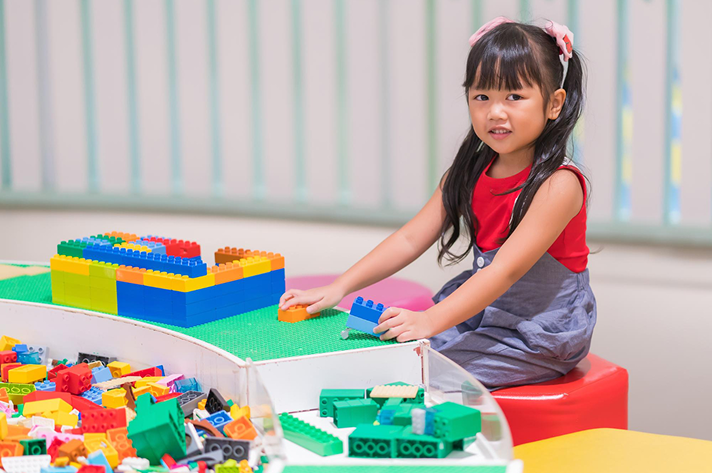
A good example can be seen when children engage in building activities using blocks or construction materials. As they experiment with balance, design, and structure, they learn to predict outcomes, test ideas, and adjust their strategies based on results. This process mirrors many of the critical-thinking skills required in later academic studies.
Lessons Usually Involve Active Participation From Kids
The PYP encourages active participation by placing students at the centre of the learning process. Rather than passively receiving information, children are encouraged to contribute ideas, ask questions, and explore concepts through hands-on experiences.
This approach is particularly valuable because active participation increases engagement and retention. When children feel ownership over their learning, they become more invested in discovering answers and understanding concepts deeply.
For example, during a science inquiry, students may investigate how plants grow by planting seeds and observing changes over time. Rather than simply learning facts about plant growth, they gather evidence, make predictions, and discuss their observations with classmates. This active involvement strengthens both understanding and curiosity.
Benefits Of Play-Based Learning In Early Childhood Development
One of the greatest strengths of play-based learning is its ability to support multiple areas of child development simultaneously.
| Development Area | Benefits of Play-Based Learning |
| Comprehension | Helps children understand concepts through hands-on exploration, experimentation, and real-world experiences. |
| Language Development | Expands vocabulary, improves listening skills, and encourages expressive communication through interaction and storytelling. |
| Speech Development | Supports verbal confidence, pronunciation, conversational skills, and effective self-expression. |
| Social Development | Encourages collaboration, empathy, teamwork, conflict resolution, and relationship-building with peers. |
| Cognitive Development | Strengthens memory, reasoning, critical thinking, problem-solving, and decision-making abilities. |
| Emotional Development | Helps children recognise emotions, build resilience, develop self-confidence, and regulate behaviour. |
| Physical Development | Enhances fine motor and gross motor skills through active and hands-on learning experiences. |
These developmental benefits demonstrate why early childhood education programmes that incorporate play-based learning often achieve strong outcomes across multiple aspects of child development.
For example, a simple group storytelling activity can simultaneously support language development, comprehension, social interaction, and emotional expression. As children contribute ideas, listen to others, and build narratives together, they strengthen multiple developmental areas through a single engaging experience.
How Educators Can Encourage Learners To Be More Curious
Educators play a vital role in creating learning environments that encourage children to ask questions, explore ideas, and seek understanding.
By using thoughtful teaching strategies, teachers can transform everyday learning experiences into opportunities for discovery and inquiry.
Incorporating Different Teaching Techniques
Inquiry-Based Learning
Inquiry-based learning encourages students to investigate questions and seek answers through research, observation, and experimentation. Rather than providing all the answers immediately, teachers guide students as they explore concepts independently.
This approach supports curiosity because it places the learner at the centre of the learning process. Children become active investigators who develop confidence in their ability to find solutions and make sense of new information.
For example, students studying weather patterns may observe daily weather conditions, record data, and discuss how weather affects daily life. Through this process, they learn to ask meaningful questions and seek evidence-based answers.
Open-Ended Questioning
Open-ended questions encourage deeper thinking by inviting children to share ideas, explain reasoning, and explore multiple possibilities.
This technique is important because it promotes critical thinking and encourages children to view learning as an ongoing process rather than a search for a single correct answer.
For instance, instead of asking “What colour is this leaf?”, a teacher may ask, “Why do you think leaves change colour?” This type of questioning encourages children to think more deeply and explore different explanations.
Real-World Exploration
Real-world exploration connects learning to authentic experiences outside the classroom. This helps children see the relevance of what they are learning and encourages them to observe and investigate their surroundings.
For example, a class exploring local ecosystems may visit a nearby park or garden to observe plants, insects, and habitats firsthand. These experiences often spark curiosity because children can directly connect classroom concepts with real-world observations.
What Parents Can Do To Continue Inspiring Their Kids
Dedicate Time To Understand Your Kid’s Learning Style
Parents play an important role in nurturing curiosity beyond the classroom. Every child learns differently, and understanding how a child engages with information can help parents provide more meaningful support at home.
This is important because learning becomes more effective when experiences align with a child’s interests, strengths, and preferred ways of exploring the world. By recognising these preferences, parents can create opportunities that encourage continued growth and discovery.
For example, a child who enjoys hands-on activities may benefit from simple science experiments, building projects, or creative arts activities at home. A child who enjoys storytelling may be inspired by books, imaginative play, and discussions about new ideas. By observing how their child naturally engages with learning, parents can create experiences that nurture curiosity and reinforce the principles of play-based learning in early childhood.
Conclusion
The IB Primary Years Programme offers a unique educational experience that combines academic development with meaningful exploration, inquiry, and play. By integrating play-based learning into everyday classroom experiences, the programme helps children develop curiosity, confidence, and a genuine love of learning. Through active participation, cognitive development, and real-world exploration, students are encouraged to become independent thinkers who are eager to understand the world around them.
The benefits of play-based learning in early childhood extend far beyond the classroom. From strengthening language and comprehension skills to supporting social and emotional growth, play-based approaches help children develop the foundational skills they need for future success. When educators and parents work together to nurture curiosity, children are empowered to become lifelong learners who approach challenges with confidence, creativity, and enthusiasm.
FAQ
1. What is the IB PYP and what age group is it designed for?
The IB Primary Years Programme (PYP) is an international educational framework designed for children aged 3 to 12. It focuses on inquiry-based learning and the development of the whole child.
2. How does the IB PYP differ from traditional primary education?
The PYP places greater emphasis on inquiry, conceptual understanding, global perspectives, and student-led learning. Rather than focusing solely on memorisation, students are encouraged to explore, question, and make meaningful connections across subjects.
3. How does the PYP help in building a child’s confidence?
The programme encourages active participation, independent thinking, and student voice. By allowing children to take ownership of their learning, the PYP helps build confidence and self-belief.
4. What is the PYP Exhibition and why is it important?
The PYP Exhibition is a culminating project completed by students at the end of the programme. It allows learners to investigate real-world issues, conduct research, and demonstrate the knowledge and skills they have developed throughout their PYP journey.
5. Is the IB PYP suitable for all types of learners?
Yes. The PYP is designed to support diverse learning styles through differentiated instruction, inquiry-based learning, collaborative activities, and personalised learning opportunities.