

Key Takeaways
- Academic stress is a real and growing challenge for students in the Philippines recognizing its sources early is the first step toward helping your child develop healthy coping strategies.
- Time management is one of the most effective tools students have against stress, learning to plan, prioritise, and break tasks into manageable steps significantly reduces last-minute panic and anxiety.
- Mindfulness practices such as deep breathing and short meditation exercises give students a practical way to reset their focus and calm their nervous system during demanding academic periods.
- Physical activity, a balanced diet, and consistent sleep are not separate wellness habits; they work together to regulate mood, sharpen concentration, and build the resilience students need to perform at their best.
- Schools that actively support student well-being through structured routines, open dialogue, and mental health awareness play a critical role in helping students find balance alongside academic achievement.
Today’s educational environment is highly dynamic and therefore causes stress to students due to academic-related work, extra-curricular activities and social mobility to a high level. The proper handling of stress is critical for both mental and physical health. It is possible to develop and teach stress management techniques to students which will help them face their challenges, perform better academically, and live a healthier life.
At Domuschola International School, student well-being is not treated as separate from academic success, it is central to it. From the Early Years through to Grade 12, Domuschola’s pastoral care framework ensures that students have a trusted support structure around them, with teachers and school counsellors working alongside families to identify and address stress before it affects learning.”
Why Student Stress Is Rising and What Every Parent and Student Needs to Understand
Stress management involves techniques and activities that help individuals regulate stress levels, ensuring they don’t overwhelm their ability to function effectively. Stress can arise from various sources, including rigorous academic requirements, social interactions, and personal expectations. For students attending some of the best private schools in Manila, balancing a demanding curriculum with personal life can be particularly challenging.
Left Unaddressed, Student Stress Becomes a Barrier to Learning, Health, and Well-Being
Most students are known to suffer from stress which hampers concentration, motivation, and even health. If not addressed, chronic stress will lead to fatigue and anxiety resulting in poor performance in academic activities, hence the need for its early addressment. Global and national reviews found that 10–16% of children and adolescents show signs of mental-health problems and a WHO-cited school survey found about 16.8% of Filipino students aged 13–17 reported a suicide attempt in the 12 months measured), underscoring the need for early intervention.
Proper management of stress in students enables them to remain centred and balanced, which in turn, enhances their learning experience and promotes the health of the students. It helps in developing toughness so that they can face the next challenges that come their way without fear.
A nationwide study found that the prevalence of moderate-to-severe depressive symptoms among Filipino youth more than doubled from 9.6% in 2013 to 20.9% in 2021.
Practical Strategies That Help Students Take Back Control and Manage Stress Effectively
1. Feeling Overwhelmed by Deadlines? Mastering Time Management Reduces Stress Significantly
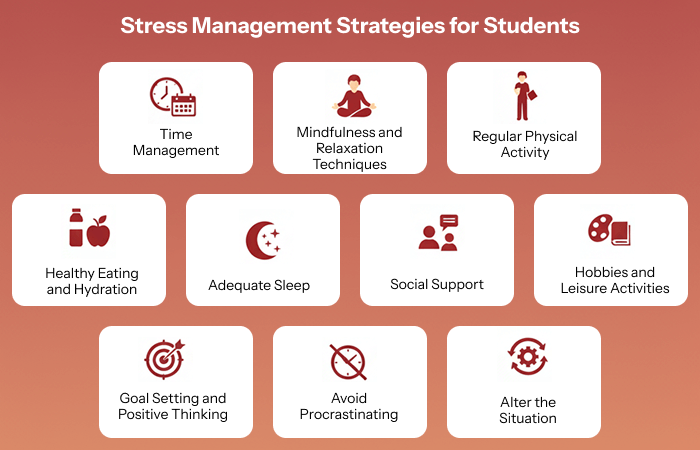
One of the most effective strategies for managing stress is mastering time management. Students can benefit from creating a structured schedule that includes time for study, extracurricular activities, and relaxation. By setting realistic goals and breaking tasks into manageable chunks, students can avoid last-minute cramming and reduce anxiety. Additionally, learning to say no can be a game-changer. Students need to set boundaries and prioritise commitments, reclaim their time and focus on what truly matters.
2. Mindfulness and Relaxation Techniques
Buddhist activities including meditation and deep-breathing exercises assist students in settling the mind and help them stay focused. Thereby, eliminating feelings of being overwhelmed. These techniques may help to improve attention span, manage emotions, and promote well-being. The adoption of mindfulness practices in school work promotes the mental health of students and motivates them to cultivate relaxation practices for years to come.
3. Drained and Tense? Regular Physical Activity Is One of the Most Effective Natural Stress Relievers
Another crucial method of managing stress is daily physical activity. Physical exercise is known to boost the production of endorphins which are natural mood elevators and help ease stress levels. Things such as taking a stroll, swimming, or simply walking can clear the brain and promote relaxation. Schools may encourage engagement in physical activity by providing different sports and recreational activities that address different needs.
Physical activity is embedded into life at Domuschola not just as PE class, but through the school’s ASAC (After School Activities, Athletics, and Clubs) programme. From football and swimming to dance and movement-based activities, students have structured opportunities to move their bodies, release tension, and recharge every single week.”
4. Healthy Eating and Hydration
Keeping a healthy diet and drinking enough water is very important when it comes to stress management. This is because the right diet enhances thinking capabilities and maintains a balance in emotions, thereby reducing the chances of mood swings and electric highs. Students should consume plenty of fruits and vegetables, whole grains, and proteins while at the same time avoiding or minimising caffeine and sugary junk food. Educational institutions, on the other hand, can help this cause by encouraging healthy eating habits and providing healthy food options.
5. Struggling to Cope Each Day? Poor Sleep Is Often the Hidden Root Cause of Student Stress
Sleep is equally important for controlling pressure. The absence of sleep may worsen pressure impacting teaching efficiency and health in general. Hence, students should strive to achieve between 7-9 hours of quality sleep per night. Maintaining a regular sleep schedule and creating a soothing atmosphere before bed can help improve sleep quality and enable students to cope with daily challenges effectively.

6. Feeling Alone Under Pressure? A Strong Support Network Makes Stress Far Easier to Manage
It is key to develop a good support network to relieve stress. Emotional backup as well as practical advice is provided by friends, family, and mentors helping students feel less alone. In schools, the establishment of peer assist programmes and the provision of counselling services can help in building a community of support around the students so that they can access the services when required.
7. Hobbies and Leisure Activities
Engaging in hobbies and leisure activities provides a necessary break from academic pressures. Students should make time for activities they enjoy, whether it’s reading, playing a musical instrument, or participating in a creative project.
8. Stuck in a Cycle of Anxiety? Setting Achievable Goals and Thinking Positively Builds Lasting Resilience
Setting achievable goals and maintaining a positive outlook can help students manage stress more effectively. By focusing on incremental progress rather than perfection, students can build confidence and reduce anxiety. Encouraging a growth mindset, where challenges are seen as opportunities for growth, can also promote resilience and reduce stress.
9.Avoid Procrastinating
Putting things off may feel easier at the moment, but it creates more stress in the long run. Break tasks into small steps, set clear deadlines, and take action. Tackling tasks at the same time frees up time for what matters.
10. When Nothing Seems to Work, Sometimes Changing Your Environment Changes Everything
Sometimes, change starts with adjusting the environment around you. Shifting things where you can focus more, setting boundaries, or changing your approach can make tasks more manageable and lead to better productivity.
How Schools Can Build a Supportive Environment That Actively Helps Students Manage Stress
Schools, including private preschools and secondary institutions, play a crucial role in supporting students’ stress management. Implementing programs that teach time management, mindfulness, and healthy living can provide students with the tools they need to handle stress effectively. Schools can also create a supportive environment that encourages open dialogue about mental health and well-being.
Domuschola’s approach to student wellness goes beyond occasional awareness campaigns. The school’s pastoral care structure means every student has a trusted adult they can turn to from homeroom teachers in the Primary Years through to dedicated guidance support in Secondary. Open-door communication between school and family ensures that stress is identified and addressed early, before it becomes a barrier to learning.
Conclusion
Managing stress is essential for students’ overall success and well-being. By incorporating effective stress management strategies such as time management, mindfulness, physical activity, and social support, students can better navigate the demands of their academic and personal lives. Schools, especially those like the best private schools in Manila, are well-positioned to support students in developing these skills, ensuring they thrive both academically and personally. Prioritising stress management not only enhances academic performance but also fosters a healthier, more balanced lifestyle for students.
FAQ
1. What are the most effective stress management strategies for students?
Effective stress management strategies for students include time-blocking to break tasks into manageable chunks, regular physical activity, deep breathing exercises, and maintaining consistent sleep routines. Journaling and talking to a trusted adult are also proven stress reduction techniques for students that build long-term emotional resilience.
2. How can parents help their child manage academic stress at home?
vital role in stress management for students by creating a calm home environment, setting realistic expectations, and encouraging open conversations about school pressure. Simple routines like device-free dinners, adequate sleep, and weekend downtime are powerful stress reduction techniques for students that start at home.
3. Why is stress management important for school-aged children?
Can affect a child’s focus, memory, physical health, and emotional well-being. Teaching stress management early equips students with lifelong coping tools, improves academic performance, and reduces the risk of anxiety and burnout especially in high-achieving school environments.
4. How does mindfulness help students cope with exam pressure and anxiety?
Mindfulness is one of the most research-backed stress reduction techniques for students. Practices like guided breathing, body scans, and mindful journaling lower cortisol levels, improve concentration, and help students stay calm under exam pressure. Even 5–10 minutes daily can make a measurable difference in anxiety levels.
5. What role should schools play in supporting student mental health?
Schools should go beyond academics and actively embed stress management strategies for students into daily life through counselling services, mental health awareness programs, reasonable homework loads, and a culture where students feel safe asking for help. The best international schools in the Philippines integrate well-being into their core educational framework.
6. How much sleep do students need to manage stress effectively?
most underrated stress management tools. School-aged children (6–12) need 9–11 hours, while teenagers need 8–10 hours per night. Consistent, quality sleep regulates mood, sharpens focus, and dramatically reduces susceptibility to academic stress.