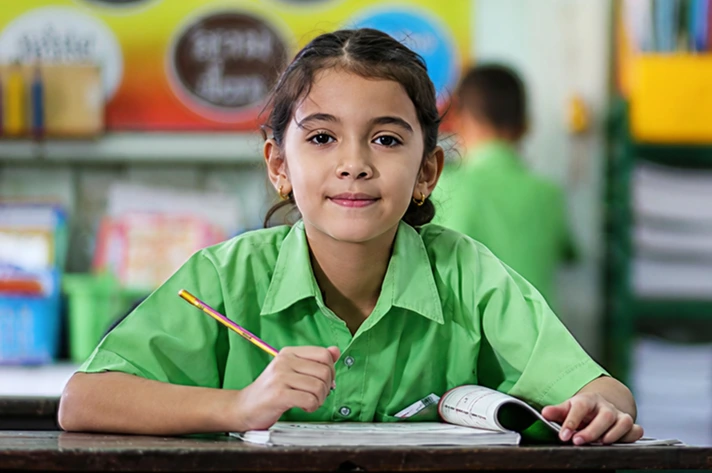
Picture this: your child, eager-eyed and brimming with questions, steps into their very first classroom. It’s the beginning of a 13-year journey—not just toward a diploma, but toward becoming a thoughtful, capable, and compassionate adult.
That’s the heart of the K 12 education system—and it’s more than just an academic framework. It’s a roadmap for growing up.
Here in the Philippines, especially at progressive institutions like Domuschola International School, K-12 education isn’t about stuffing young minds with facts. It’s about nurturing thinkers, dreamers, and problem-solvers who are ready for a world that’s rapidly changing. If you’re exploring good schools in Manila, Domuschola’s approach to the K-12 model is a strong place to start.
But what is k12 education, really? Let’s unpack it.
What Is K-12 Education?
At Domuschola, learners begin in nursery or pre-kinder and progress through to Grade 12, benefiting from a consistent philosophy from foundation through graduation. What is K-12 education? It’s short for “Kindergarten through Grade 12.” In simple terms, it covers the entire span of basic education: from the playful early years to the all-important final stage before college.
The education system in the Philippines adopted the K-12 structure in 2012, aligning the country with global standards. This shift—often phrased as what is the k12 programme or what is the k 12 education system—added two years to the old 10-year cycle, giving students more time to develop real-world skills and explore career paths even before they enter university.
Think of it as building a house: kindergarten lays the foundation, elementary strengthens the frame, and high school furnishes it with purpose. If you’re just starting your search for early years options, explore kindergarten Manila to see how play-based inquiry sets that foundation right.
The Four Pillars of K-12: A Closer Look
1. Kindergarten: Where Curiosity Begins
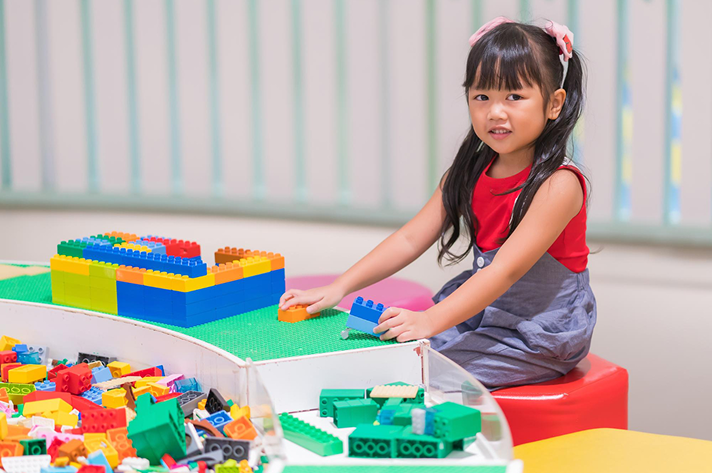
This is where it all starts. At Domuschola, Kindergarten (age 5) blends play-based learning with inquiry, laying the foundation for a lifelong love of discovery. Here, learning feels like play—because it is. Young learners explore shapes, sounds, stories, and emotions in a safe, nurturing, and joyful environment. With small class sizes (a maximum of 15 in Nursery/Pre-K and 20 in Kindergarten to Grade 4), teachers can nurture each child’s curiosity, social skills, and growing independence from day one. It’s not just ABCs and 123s. It’s social skills, confidence, and the early stirrings of independence.
2. Elementary (Grades 1–6): Laying the Bricks
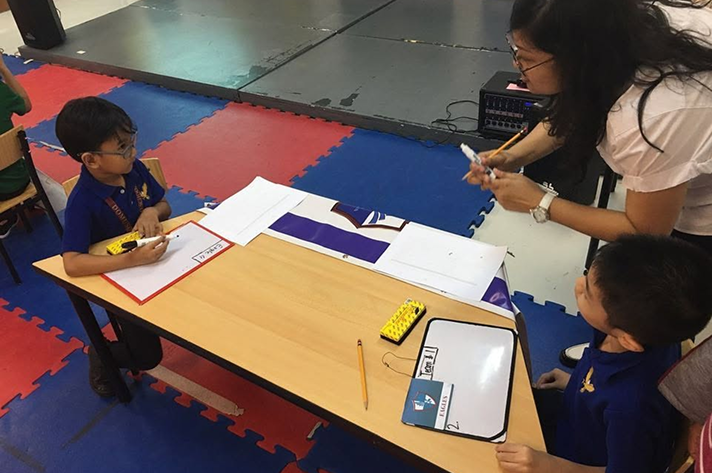
Elementary school in the K-12education system is where structure starts to take shape. Subjects become more defined—math, science, English, and Filipino—and students begin forming a deeper understanding of the world around them.
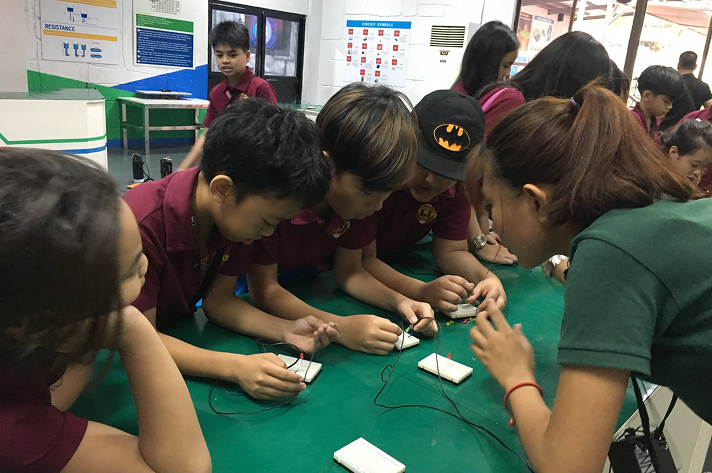
At Domuschola, the elementary years (K–5) are rich in inquiry-based learning through the IB Primary Years Programme (PYP). This transdisciplinary model emphasises conceptual understanding and real-life relevance alongside core subjects. A science experiment might spark a student’s love for biology, while a social studies project could open their eyes to global issues. These formative years, guided by the PYP framework, are a time of exploration, self-discovery, and meaningful learning that sets the foundation for lifelong curiosity.
3. Middle School (Grades 7–10): The Turning Point
Middle school isn’t just a transition—it’s a transformation. These are the years when students start to challenge ideas, explore passions, and ask tougher questions.
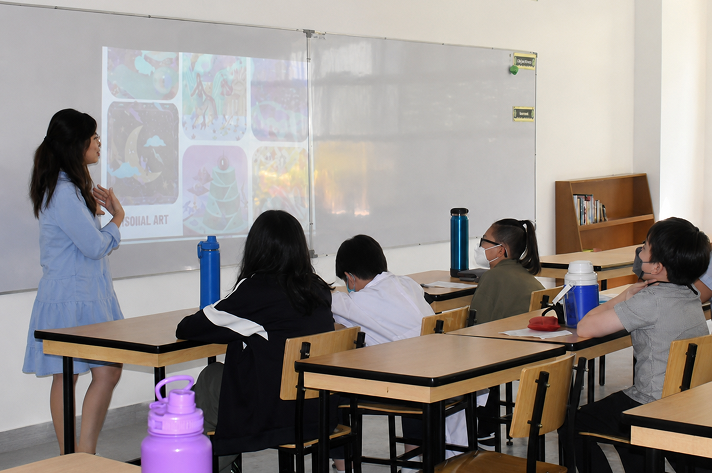
In progressive schools like Domuschola, students aren’t just expected to memorise formulas—they’re asked to apply them. Whether it’s solving community problems through design thinking or exploring ethics through literature, middle school becomes a training ground for future changemakers.
4. Senior High School (Grades 11–12): Finding Your Lane
This is where the K-12 programme becomes deeply personal. Senior high school introduces specialised tracks—academic, Technical-Vocational, arts, and sports—so students can tailor their education based on their aspirations.
At Domuschola, academic rigour is matched with real-life relevance. Students might pursue IB-aligned coursework, collaborate on research, or even launch a capstone project. They graduate not just ready for university but for life.
Why K-12 Matters (More Than You Think)
More Time, More Depth
A major benefit of the k 12 education system is time. By extending basic education, students aren’t rushed through complex topics. They get space to absorb, reflect, and grow.
It’s the difference between cramming for a test and actually understanding the world.
Readiness, Not Just for College—But for Everything
The real magic of K-12 is in the way it prepares students for adulthood. Whether they aim for college, vocational work, or entrepreneurship, they’ll have the skills—critical thinking, collaboration, and emotional intelligence—to thrive.
Schools like Domuschola ensure students aren’t just grade-chasers. They’re curious thinkers who care about the world—qualities families often look for when comparing good schools in manila.
What’s Next? The Future of K-12
Technology Is the New Chalkboard
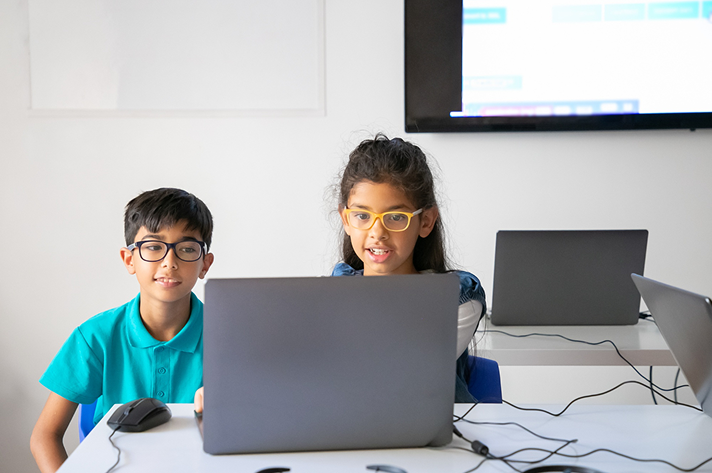
Gone are the days of one-size-fits-all lectures. Today’s students learn through tablets, apps, virtual labs, and collaborative platforms. And schools that embrace this—like Domuschola—are giving learners the edge.
Tech in education isn’t just trendy. It’s essential for preparing students for the digital world they’ll soon lead.
A World Without Borders
Education is becoming more global. International curricula, multicultural classrooms, and virtual exchanges mean that students are learning not just about the world, but with the world. At Domuschola, this global perspective is not an add-on—it’s foundational. The school’s multicultural campus and IB-aligned curriculum cultivate international-mindedness that honours the local context. With students from many nationalities and global university pathways, classrooms are international by both nature and practice. This rich environment helps learners build empathy, adaptability, and a strong sense of shared responsibility, preparing them to thrive in a connected world.
Quick Answers to Common Questions
1. What is K-12 education?
It refers to the full span of basic education, from kindergarten to grade 12, designed to equip students with academic mastery and life-ready skills.
2. What is the K-12 programme?
It’s the national education system framework that standardises Kindergarten through Grade 12, adding two senior high years for specialisation and better college and career readiness.
3. What is the K-12 education system?
It’s the structured pathway—early years, elementary, middle school, and senior high—that ensures continuity, depth, and progression in student learning.
Final Thoughts
So, what is the K-12 education system really about?
It’s not a checklist of grade levels. It’s a carefully crafted journey—one that starts in kindergarten in Manila, unfolds in vibrant classrooms like those at Domuschola, and ends with confident graduates who are ready to take on the world.
The future belongs to the curious. And with the right K-12 foundation, your child can grow not just smarter, but wiser, kinder, and more prepared than ever. If you’re comparing good schools in Manila, explore how Domuschola International School delivers a world-class K-12 experience from the early years through senior high.