
Key Takeaways
- Technology in education has broken down geographical and socioeconomic barriers, making quality learning more accessible to students regardless of where they are or where they come from.
- Digital tools in the classroom have transformed teaching from a one-directional lecture model into an interactive, engaging, and personalised experience for every learner.
- Collaboration across distances is now seamless. Students can work jointly on projects, share ideas, and communicate with peers and teachers beyond the walls of any classroom.
- The shift from textbook-only learning to internet-enriched, flexible study gives students access to a vast range of information sources and learning styles that suit them individually.
- Schools that integrate technology thoughtfully as a tool to support learning rather than replace it produce students who are better prepared for the demands of a rapidly evolving professional world.
Introduction
The impact of technology on education has been mind-boggling to say the least, especially since the advent of the technology revolution. This is something which is rapidly evolving all the time and is changing the very paradigm of how education is imparted and received. Moreover, this is something that has been well integrated into private schools in Philippines and has helped greatly with enhancing secondary education in Philippines.
Why Technology in Education Is No Longer Optional in a Digital-First World
Technology in education is important because it pervades every aspect of our lives today ranging from e-commerce and banking to travel, healthcare and entertainment. As a matter of fact, technology is as important in education as learning the alphabet. That is the reason why we see technology deployed in schools right from the very junior classes. Let us see how exactly this impact of technology in education is felt.
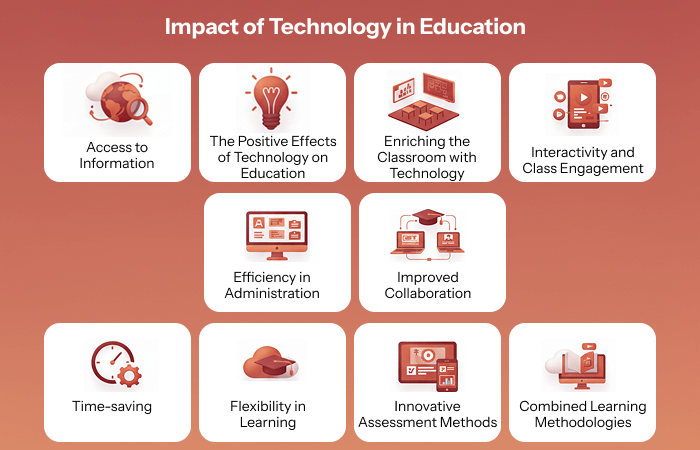
1. Unlock Unlimited Access to Information Beyond the Boundaries of Any Textbook
The internet has put vast amounts of information at our fingertips allowing both teachers and students the means and ability to gain an unprecedented amount of knowledge, information and wisdom. This information can be obtained via educational websites and digital libraries. No longer is one only dependent on textbooks.
2. Discover How Technology Is Creating a More Equitable Future for Learners Everywhere
The most significant positive impact of technology on education has been in enhancing its access to way more people than was possible in the past. The emergence of digital learning tools has had the effect of making geographical barriers ineffective and made formal education accessible to students regardless of who they are from a socioeconomic point of view or where they are from a geographical point of view.
What Technology in the Classroom Looks Like in Practice:
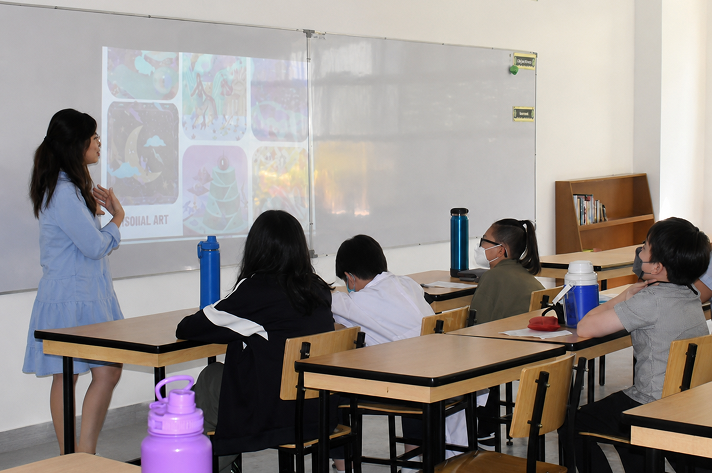
- Interactive whiteboards and digital projectors replacing static blackboards
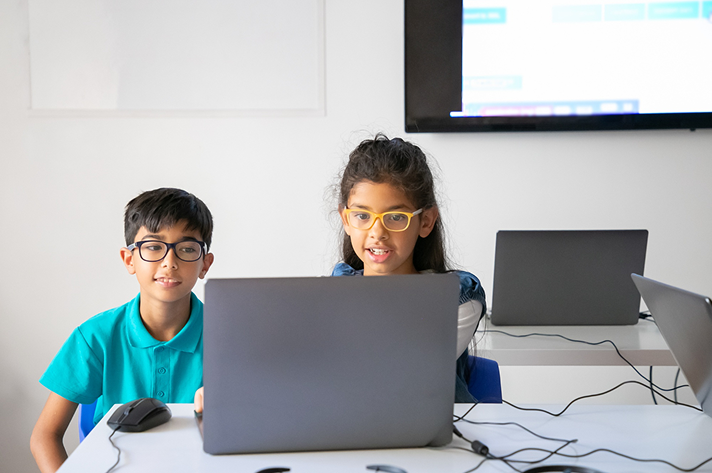
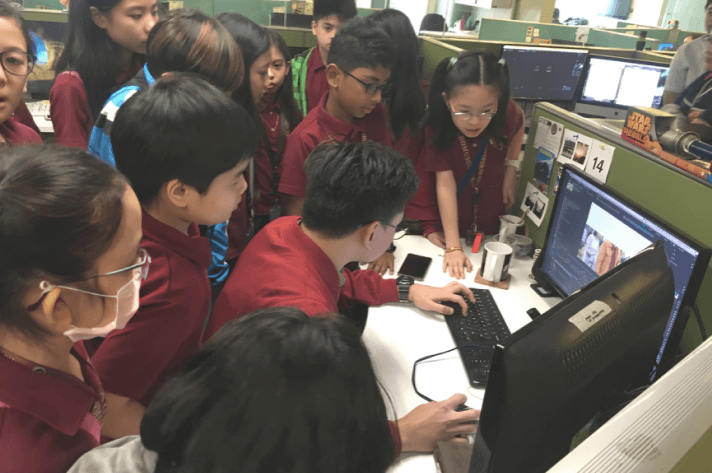
- Tablets and laptops used for research, presentations, and collaborative projects
- Learning management systems where students access lessons, submit work, and receive feedback
- Video and multimedia content that brings abstract concepts to life
- Real-time formative assessment tools that help teachers identify and address learning gaps immediately
3. See How Technology Is Transforming Today’s Classrooms Into Dynamic Learning Environments
There are a very large number of ways in which the modern classroom has been enriched by technology. From more interactive and therefore more engaging learning to enhanced access to information and personalised learning, the impact of technology on the modern classroom has been phenomenal. Among the most notable impacts on the classroom is more efficient teaching on account of the fact that digital tools are now routinely used to enhance the level and quality of teaching. Above all, the students are better equipped to do well in a world that is driven by technology.
Domuschola takes a balanced approach to technology in schools. Device use is purposefully integrated into learning activities — not handed over freely. Students from Grade 5 upward may bring gadgets, but mobile phones are not permitted during class hours. This ensures technology enhances focus rather than disrupts it, giving parents confidence that screen time at school is always purposeful.
4. Experience a New Era of Interactive and Engaged Learning Through Digital Tools
Deploying technology in education has led to a more interactive as well as engaging classroom. Using things like games, simulated scenarios and multimedia presentations helps hold the students’ attention in the best possible manner.
5. Watch How Technology Is Streamlining School Administration for a More Focused Future
Technology has led to a considerable enhancement in the carrying out of administrative tasks within schools. It has streamlined things like enrollment and grading, allowing teachers to focus more on the core task of teaching.
How Technology Improves Access to Education
| Barrier Removed | How Technology Helps | Benefit for Students |
| Geographical distance | Online platforms and virtual classrooms | Learn from anywhere, anytime |
| Socioeconomic gaps | Free and low-cost digital resources | Equal access to quality content |
| Learning pace differences | Adaptive and personalised learning tools | Progress at an individual pace |
| Language barriers | Translation tools and multilingual content | Inclusive learning for all backgrounds |
6. Explore How Technology Is Making Borderless Collaboration the New Normal in Education
One of the biggest impacts of technology in education has been in the manner that collaboration is possible across geographies amongst students and with one’s teachers in a seamless manner. Besides, students are able to work jointly on projects, exchange ideas and learn to work together with the help of collaborative software.
Collaboration is not an elective at Domuschola — it is a core skill embedded in both the IB and Cambridge programmes. Digital tools support student-led group projects, cross-grade research tasks, and real-time peer feedback sessions. Students graduate not just knowing how to use technology, but knowing how to think and work with others through it.”
7. Reclaim Time for Learning With Communication Tools That Connect Students and Teachers Instantly
Technology has completely revolutionised the manner in which students as well as teachers communicate via email, video conferencing and social media. No longer do students have to be physically present in classrooms to access important information. All of this leads to immense saving of time on the part of both students and teachers.
8. Embrace the Future of Flexible, Personalised Learning Beyond the Traditional Classroom
Gone are the days of learning strictly by the textbook. With a plethora of sources of information on the internet, there is a huge amount of flexibility available when it comes to learning these days.
9. Move Beyond Traditional Testing With Assessment Methods Built for the Modern Learner
The old ways of simple and straightforward assessment have given way to all new methods. These range devices like digital portfolios, interactive assignments and online quizzes, empowering teachers with real time inputs about their students’ performance. UNESCO found that even though more than 75 % of primary schools in the Philippines had computers, only 22 % of children were in classrooms where teachers had access to a computer for teaching support. (UNESCO 2019 SEA-PLM)
10. Step Into a New Age of Learning Where Multiple Methodologies Work Together Seamlessly
Learning methodologies have undergone a sea change when compared to the pre-digital era. These days we see a combination of a myriad of ways of acquiring education, thanks to technology. From traditional lectures to listening to their recordings and from learning via online videos to audiobooks and interactive games, there are a whole slew of ways to learn in the technology age. According to a PIDS study, the Philippines’ delivery of computer packages to primary schools was only 78 % in 2017 (versus a 95 % target), and internet access levels for secondary schools were around 68.4 % for lower secondary and 81.8 % for upper secondary — lagging behind regional peers. (PIDS 2023)
Conclusion
The impact of modern technology in education has been extremely transformative in nature. It has made the dissemination of high quality education much more widespread than it was possible in the past. Moreover it has made the whole process of learning very interactive and engaging, leading to an enhancement in the quality of education received by today’s children, regardless of where in the world they might be physically present.
FAQ
1. What is the impact of technology on education today?
The impact of technology on education has been profound and far-reaching. From interactive digital tools and AI-assisted learning to virtual classrooms and personalised content, technology has transformed how students access knowledge and how teachers deliver instruction. The benefits of technology in education are visible across all levels — students learn at their own pace, engage more deeply with content, and develop digital literacy skills that are essential in today’s world. Technology in schools is no longer optional; it is a cornerstone of modern, future-ready education.
2. How does technology in the classroom benefit students?
Technology in the classroom creates a more dynamic and engaging learning environment. Students gain access to a wealth of resources beyond the textbook, collaborate in real time with peers, and receive instant feedback on their progress. The benefits of technology in education include improved comprehension, greater student participation, and the development of critical thinking skills. When used intentionally, technology in schools empowers students to become active, self-directed learners rather than passive recipients of information.
3. What are the benefits of technology in education for primary school students?
For younger learners, the benefits of technology in education include making abstract concepts more visual and tangible through animations, simulations, and interactive tools. Technology in the classroom at the primary level supports differentiated learning, allowing teachers to tailor content to each child’s pace and learning style. The positive impact of technology on education at this stage goes beyond academics — it also builds confidence, creativity, and early digital citizenship skills that will serve students throughout their schooling and beyond.
4. How do international schools in the Philippines use technology in teaching?
International schools in the Philippines are increasingly integrating technology in the classroom to deliver world-class education. From smart boards and learning management systems to coding programmes and digital portfolios, technology in schools here supports both the IB and Cambridge curricula by making learning more interactive and globally connected. The impact of technology on education in these institutions is evident in how students collaborate across disciplines, present their work digitally, and develop skills aligned with international standards and future career demands.
5. What are the challenges of using technology in schools?
While the benefits of technology in education are significant, schools must also navigate real challenges. Unequal access to devices, screen time management, cybersafety concerns, and the risk of over-reliance on technology are all important considerations. The impact of technology on education can be diminished if teachers are not adequately trained or if digital tools are used without clear pedagogical intent. Effective technology in schools requires thoughtful policies, ongoing teacher development, and a balanced approach that keeps human connection and critical thinking at the centre of learning.
6. How does technology prepare students for the future workplace?
The impact of technology on education extends well into a student’s professional life. By engaging with technology in the classroom from an early age, students develop competencies such as digital collaboration, data literacy, coding, and creative problem-solving all of which are highly valued in the modern workplace. The benefits of technology in education go beyond tool familiarity; they build adaptability and a comfort with continuous learning, both of which are critical as industries evolve rapidly. Technology in schools today is essentially career preparation for tomorrow.
7. Which schools in Manila integrate technology into the IB or Cambridge curriculum?
Several leading international schools in Manila successfully blend technology in the classroom with the rigour of the IB and Cambridge frameworks. These schools use digital tools not as a replacement for deep thinking, but as an enhancement supporting inquiry-based learning, research skills, and collaborative projects central to both curricula. The benefits of technology in education are amplified in such settings, where students are encouraged to think critically, create meaningfully, and communicate effectively using modern tools. The broader impact of technology on education in these schools is a generation of learners who are both academically strong and digitally fluent.