
The International Baccalaureate (IB) has become one of the world’s most respected educational frameworks, and its presence in the Philippines has steadily grown over the past two decades. As more schools adopted the International Baccalaureate programmes to meet the evolving needs of globally minded families, the International Baccalaureate Primary Years Programme (PYP) emerged as a popular choice for parents seeking a holistic and internationally recognised education for their young children. Today, an increasing number of Filipino families are exploring IB schools because they value an education that nurtures academic excellence, critical thinking, creativity, and character development from an early age.
Parents are also recognising that education is about much more than achieving good grades. They want their children to become confident communicators, independent learners, and compassionate global citizens who are prepared for the opportunities and challenges of an interconnected world. The IB PYP curriculum provides this balanced approach by combining inquiry-based learning with academic rigour and holistic development.
In this blog, we’ll explore:
- What the International Baccalaureate Primary Years Programme is and who it is designed for
- How the IB PYP curriculum and PYP syllabus are structured
- The defining features that make the PYP unique
- The academic and personal benefits of the programme
- The essential skills children develop through the PYP
- How the IB PYP framework supports holistic child development
- Why more parents are choosing the PYP
- How Domuschola International School nurtures young learners through the programme
What Is the IB Primary Years Programme (PYP)?
The International Baccalaureate Primary Years Programme is the first stage of the IB continuum and is designed for children aged 3 to 10 years. It focuses on developing the whole child by combining academic learning with personal, social, and emotional growth. Rather than encouraging students to memorise information, the programme inspires children to ask questions, investigate ideas, and make meaningful connections between classroom learning and the real world.
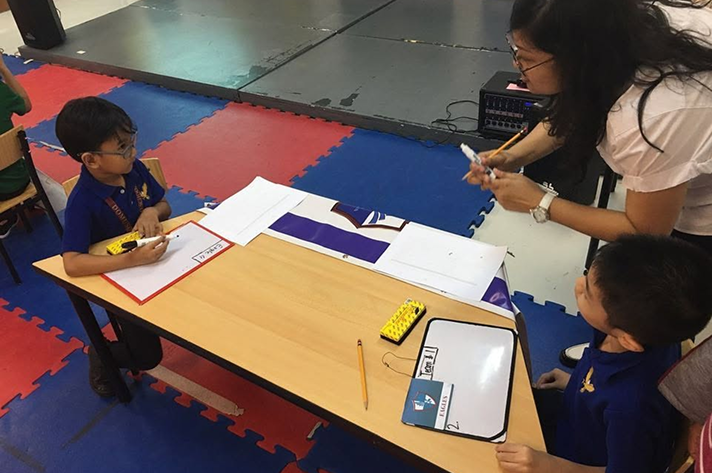
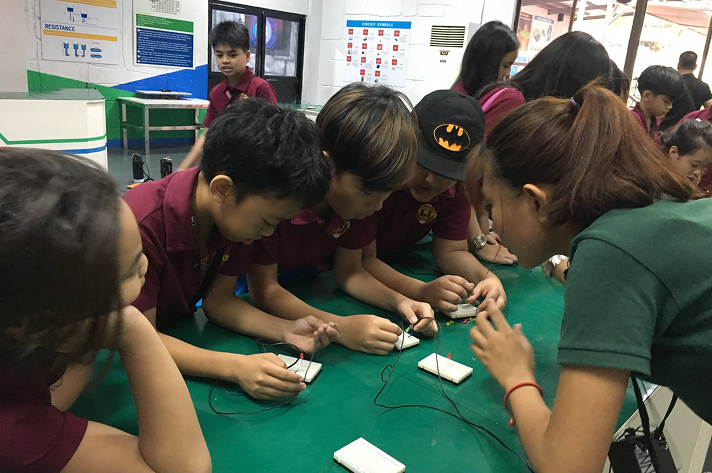
The IB PYP framework places inquiry at the centre of learning. Teachers act as facilitators who guide children through exploration and discovery, helping them develop confidence in their own ability to learn. Students are encouraged to become active participants in the classroom by investigating concepts, collaborating with peers, and reflecting on their learning experiences.
This approach is particularly valuable during the early years because children are naturally curious. By nurturing this curiosity, the programme establishes strong learning habits that continue throughout their educational journey.
For example, a unit about living things may combine science, literacy, mathematics, and art. Students might observe plants, record their growth, write reflections, and create visual presentations, allowing them to learn multiple concepts within a meaningful context.
The IB PYP Curriculum: How It Is Structured
The IB PYP curriculum is organised differently from many traditional primary programmes. Instead of teaching subjects in complete isolation, learning is connected through six transdisciplinary themes that encourage students to explore ideas that are relevant across cultures and communities.
Alongside these themes, students continue to develop knowledge and skills in language, mathematics, science, social studies, arts, and personal, social, and physical education. This integrated approach allows children to understand how different areas of learning relate to one another.
| Component | Purpose |
| Transdisciplinary Themes | Connect learning across multiple subjects through real-world concepts. |
| Language | Develop literacy, communication, and expression. |
| Mathematics | Build logical reasoning and problem-solving skills. |
| Science | Encourage inquiry, experimentation, and observation. |
| Social Studies | Foster understanding of communities, cultures, and society. |
| Arts | Promote creativity and self-expression. |
| Personal, Social & Physical Education | Support wellbeing, collaboration, and healthy development. |
This structure is important because children rarely experience knowledge as separate subjects in everyday life. The PYP syllabus helps learners see meaningful connections between different disciplines while encouraging deeper understanding rather than isolated memorisation.
For example, while exploring the theme “Sharing the Planet,” students may study ecosystems in science, calculate environmental data in mathematics, write persuasive letters in language lessons, and create sustainability posters in art.
Key Features of the IB Primary Years Programme
Several characteristics distinguish the International Baccalaureate Primary Years Programme from more traditional educational models.
First is inquiry-based learning. Students begin with questions and investigations rather than simply receiving information. This encourages deeper understanding and greater engagement.
Second is student agency. Children are encouraged to make choices about aspects of their learning, helping them develop independence and confidence.
Third is international-mindedness. The programme introduces learners to diverse cultures and perspectives while encouraging respect, empathy, and global awareness.
Finally, continuous reflection is embedded throughout the learning process. Students regularly evaluate their progress, celebrate achievements, and identify opportunities for improvement.
Examples include student-led conferences, collaborative inquiry projects, classroom discussions, and reflective journals that encourage learners to think about how they learn as well as what they learn.
Benefits of the IB PYP for Young Learners
The IB PYP curriculum offers numerous advantages that extend beyond academic performance. Children develop strong foundational knowledge while also building the confidence and curiosity needed for lifelong learning.
One major benefit is increased engagement. Inquiry-based lessons encourage students to become active learners who participate enthusiastically in classroom activities.
The programme also strengthens conceptual understanding by helping students explore ideas from multiple perspectives rather than memorising isolated facts. This leads to better knowledge retention and greater confidence when applying learning in new situations.
Another significant benefit is adaptability. Through varied learning experiences, children become comfortable exploring unfamiliar ideas, asking questions, and solving problems independently.
For example, learners may investigate community issues, conduct simple scientific experiments, collaborate on creative projects, or present research findings to classmates, all while strengthening academic knowledge and personal confidence.
Skills Children Develop Through the IB PYP
One of the greatest strengths of the IB PYP framework is its emphasis on developing transferable skills that support lifelong success.
| Skill | How Students Develop It |
| Critical Thinking | Analysing information, asking questions, and solving problems through inquiry. |
| Communication | Participating in discussions, presentations, writing, and collaboration. |
| Research | Investigating topics, gathering information, and presenting findings. |
| Self-Management | Organising tasks, reflecting on learning, and managing responsibilities. |
| Social Skills | Working collaboratively, respecting different perspectives, and building relationships. |
These skills are important because they prepare children not only for future academic success but also for everyday life. Whether working in teams, communicating ideas, or solving challenges independently, learners develop competencies that remain valuable throughout their education and future careers.
How the IB PYP Learning Approach Supports Holistic Development
The International Baccalaureate Primary Years Programme recognises that education should nurture every aspect of a child’s development. Academic growth is balanced with emotional wellbeing, social responsibility, creativity, and physical development.
Teachers create learning experiences that encourage collaboration, reflection, resilience, and empathy. Students are supported as individuals while also learning to contribute positively to their communities.
This holistic approach is important because successful learners require more than academic knowledge. They also need emotional intelligence, confidence, adaptability, and ethical decision-making skills.
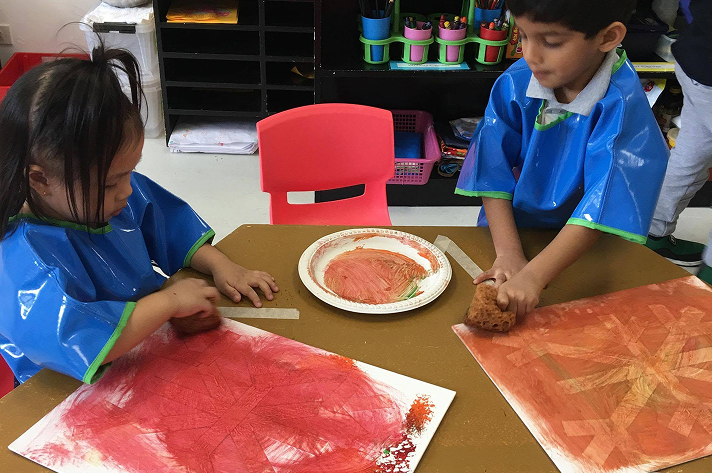
Examples include collaborative classroom projects, service-learning activities, outdoor investigations, creative arts experiences, and opportunities for student leadership that encourage children to develop both intellectually and personally.
Why Parents Choose the IB Primary Years Programme
More parents are choosing the IB PYP curriculum because it provides a balanced education that prepares children for both immediate and future success.
Families appreciate the programme’s emphasis on inquiry, independent thinking, and international-mindedness while maintaining high academic expectations. Parents also value that the PYP encourages children to enjoy learning rather than viewing education solely through examinations.
For internationally mobile families, the International Baccalaureate Primary Years Programme offers continuity through a globally recognised educational framework that is implemented consistently across IB World Schools.
These qualities make the programme particularly appealing to parents seeking an education that prepares children for secondary school, university, and lifelong learning.
How Domuschola Nurtures Young Learners Through the IB PYP
At Domuschola International School, the IB PYP curriculum is delivered through a supportive, inquiry-rich environment where every child is encouraged to reach their full potential.
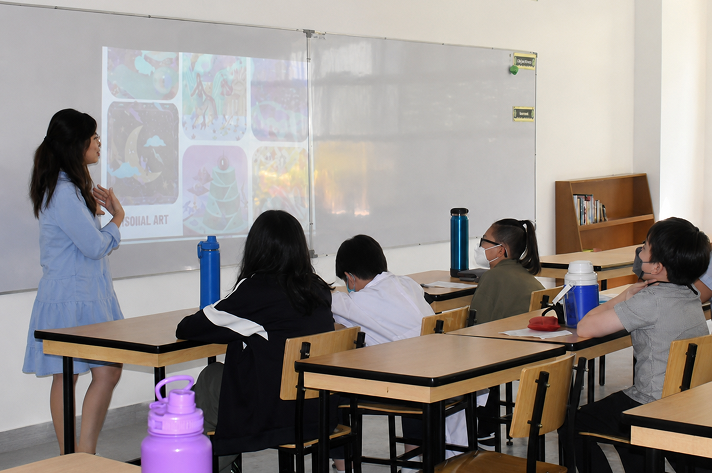
Teachers use engaging learning experiences that inspire curiosity, creativity, and critical thinking while providing personalised guidance tailored to each learner’s strengths and needs. Classrooms encourage collaboration, exploration, and meaningful discussions, allowing children to become confident and independent learners.
Beyond academics, Domuschola places strong emphasis on character education, wellbeing, and international-mindedness. Students are encouraged to demonstrate empathy, integrity, resilience, and respect while participating in collaborative projects and community initiatives.
As part of the Global Schools Group network, learners also benefit from exposure to diverse perspectives and globally connected learning opportunities, preparing them to thrive in an increasingly interconnected world.
Conclusion
The International Baccalaureate Primary Years Programme offers far more than a traditional primary education in the Philippines. Through its inquiry-based philosophy, integrated PYP syllabus, and internationally recognised IB PYP framework, it develops academically capable, confident, and compassionate learners who are prepared for lifelong success.
From nurturing critical thinking and communication to encouraging creativity, collaboration, and global awareness, the IB PYP curriculum equips children with the knowledge, attitudes, and skills needed to flourish in an ever-changing world. At Domuschola International School, these principles come to life through engaging learning experiences, dedicated educators, and a commitment to developing the whole child. For families seeking an education that balances academic excellence with personal growth, the PYP provides a strong foundation for every stage of a child’s learning journey.