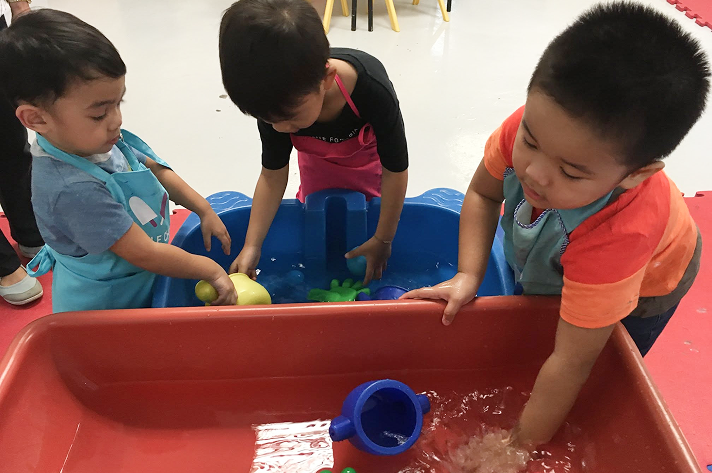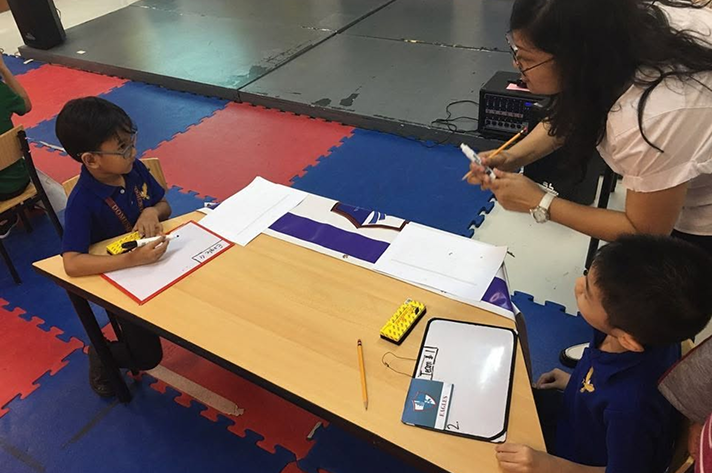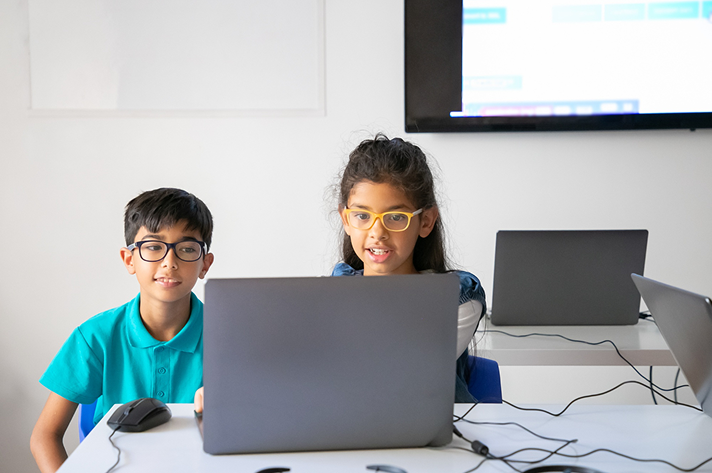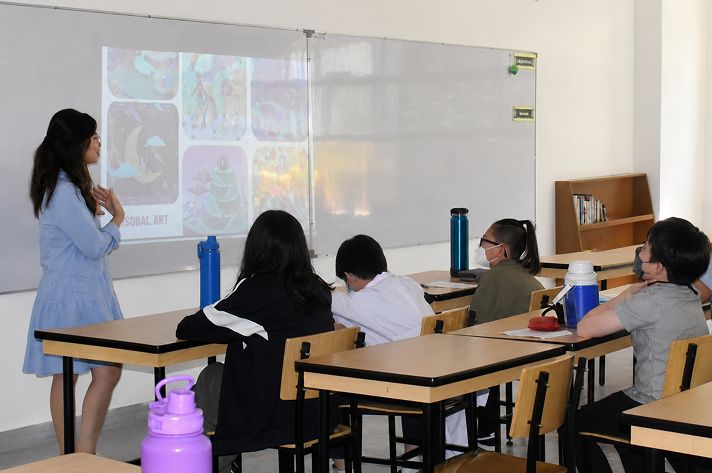

Integrated learning is a learning process that unifies knowledge and skills from different areas of learning in a specific concept, question or problem. Instead of learning each topic separately, children can apply scientific, mathematic and communicative skills to understand how water is used in their community. This approach allows students to understand the interrelation of knowledge and gain more experience than when they are learning subjects separately.
Integrated learning does not exclude the study of different topics. Children still need to study mathematics, languages, science and other subjects. However, an interdisciplinary approach helps them to unite the material better and comprehend it from several points of view.
Integrated Learning:
Integrated learning is an approach that combines concepts, areas of knowledge, skills, and experience that are naturally interconnected. Interdisciplinary education can take two forms. The first one is seen in combining two subjects within one task. The other type of interdisciplinarity implies the uniting of knowledge and skills from various topics within one programme.
Within the framework of a single educational subject, students may receive knowledge about measurements only in the math subject. Using an interdisciplinary approach, the teacher may give the same material within one task. When children grow plants, they can measure their height, fill the results in tables, analyse the data and describe the process. The math subject is still present in the lesson, but now it is applied in science.
Interdisciplinary learning is sometimes confused with transdisciplinary learning. While the first type unites different subjects, keeping their main knowledge and skills, the second one starts from one idea and expands on it, exploring it from different points of view.
Interdisciplinary Learning: How Does It Work?
This type of learning always begins with a concept, a question or a topic that needs to be explored. The teachers should define the concepts and skills from various subjects that can help children learn the chosen topic.
For example, when students have to study waste management in their community, they may explore it from several points of view. Scientists will study the properties of materials and their impact on the environment. Mathematicians will measure and calculate how much waste is produced. Social scientists will analyse the data and create proposals that will have to be supported by the language skills of students to defend their position. A project can end with a presentation of the most feasible solution.
Projects are not the only way to use an interdisciplinary approach. Learning can be both task-based and spontaneous. The main idea is to unite knowledge from different subjects. Kids will be able to apply their skills to solve real problems. That is why such learning cannot exist without the educator’s work. Teachers have to choose the concepts and skills that should be learnt, define the task to be accomplished and assess the quality of students’ work. Without educators’ planning, interdisciplinary learning may seem like a game that does not have any purpose.
The IB Primary Years Programme offers one established example. Its inquiry-based, transdisciplinary framework guides students to develop understanding and skills across, between and beyond subject areas. Domuschola International School’s published information on the PYP also refers to inquiry through transdisciplinary units. Classroom content and assessment are best confirmed with the school for the current year.
What Are the Benefits of Integrated Learning for Students?
The benefits of integrated learning are greatest when the links are authentic and the subject knowledge is taught deliberately. It is not necessarily superior to a focused subject lesson, and good teaching makes use of both.
Develops Critical Thinking
Students are required to work out relationships, identify relevant information and assess its significance to a conclusion. They are not just repeating an answer but evaluating, questioning and explaining.
Improves Problem-Solving Skills
Real-world problems are unlikely to be contained neatly within one academic discipline. Planning a small garden may involve calculations of area, budgets, plant science, weather patterns and teamwork. Students are learning to apply relevant knowledge and adapt their plan as circumstances change.
This type of application demonstrates whether they have grasped a concept well enough to apply it.
Encourages Creativity
By drawing ideas from different areas, students have more opportunities to respond creatively. They might interpret a scientific principle through a model, devise a visual campaign about a social issue or utilise data to justify a position.
Strengthens Communication and Collaboration
Many integrated activities centre on collaborative learning. Students negotiate ideas, distribute roles and combine their respective skills towards a shared outcome. They are also learning that effective collaboration requires more than apportioning the work equally.
A well constructed project will give each student an important role to play, and presentations offer opportunities for them to explain their thinking and learn to take others’ viewpoints into account.
Makes Learning More Engaging
Students are more likely to engage when they understand why a task is worth doing. Familiar issues, practical investigations and authentic audiences can all contribute to a task having a clear purpose.
Engagement does not always require an entertaining activity, but a demanding investigation can capture a student’s imagination when they see the relevance and have a choice in how to proceed.
Supports Knowledge Retention
Applying an idea in multiple contexts can reinforce understanding of it. A student who learns percentages, uses them to analyse survey results and applies them to a budget has encountered the same concept in related but differing contexts.
This may assist in retaining an understanding and demonstrate whether a student has grasped a concept beyond its original application.
Builds Real-World Skills
Integrated learning can develop generic skills such as planning, research, communication, collaboration and reflection alongside academic knowledge. These are useful across higher education, the workplace and day-to-day problem-solving.
However, schools should not make broad claims about ‘future-ready’ skills, and parents should ask to see specific evidence. This could include what products the students have created, which standards have been assessed, how feedback has been provided and how individual learning has been measured within collaborative activities.
Examples of Integrated Learning Activities
The best activity will depend on the students’ age, the learning objectives and the time available. The following examples illustrate ways in which subjects might be combined without compromising their individual disciplines:
| Activity | Connected subjects | What students might do |
| Environmental investigation | Science, geography and mathematics | Test a local question, map observations and represent findings with data |
| School business project | Mathematics, economics and communication | Develop a simple budget, consider customers and present a proposal |
| Historical presentation | History, language and technology | Evaluate sources, create a reasoned account and present it digitally |
| Sustainability project | Science, social studies and art | Study an issue, consider community impact and design an informative campaign |
| Story-based activity | Language, art and performing arts | Interpret a text, create visual responses and perform a scene |
For younger children, integration may be simpler. A story about a market can lead to counting objects, drawing signs, role-play and new vocabulary. Parents considering a preschool in Metro Manila can ask how teachers connect play, language, early numeracy and inquiry while keeping activities developmentally appropriate.
What Should Parents Look for in an Integrated Curriculum?
The quality lies in the planning. When visiting good schools in Manila, parents may wish to ask:
- Which subject goals are taught/assessed within the unit?
- How do teachers assess understanding by individual learners when completing group work?
- Can the school provide an age-appropriate example of a student’s work?
- How much direct instruction of the subject is taking place alongside the integrated inquiry?
- How are activities adapted for learning and language needs?
Answers with clear evidence of purpose and balance will be needed. A bright display of the children’s work is all very well, but if they cannot demonstrate what they have learnt, then it is all too easy to say it has been taught.
Conclusion
Integrated learning offers students the opportunity to make connections between subjects, skills and experiences in order to engage with a meaningful idea or problem. As long as it is carefully planned and executed, it can help students achieve greater depth of understanding, develop critical thinking skills, and become more creative, communicative, and collaborative and be able to solve real-world problems effectively.
The best practice integrates connections between subjects with opportunities for students to develop mastery within one discipline. Although students benefit greatly from teacher instruction and specific feedback, they need opportunities to apply their knowledge. Parents considering DIS for their child should request the school’s current programme information and ask to see an example of an integrated unit, specific to their child’s age group.