
Choosing a preschool is one of the earliest and most important decisions parents make in their child’s educational journey. The right environment not only supports academic readiness but also shapes confidence, values, and a lifelong love for learning. In the context of early childhood education in the Philippines, this choice becomes even more significant as families navigate a wide range of educational philosophies, school cultures, and learning approaches.
- Learning at their own pace ensures children thrive through a curriculum that respects individual development
- Familiarising yourself with the campus allows parents to observe how the environment influences learning and well-being
- Safety and security provide peace of mind, knowing children are protected throughout the school day
- School culture and values help ensure the school’s philosophy aligns with family priorities
- Discipline policies shape how children learn empathy, respect, and social responsibility
- Accessibility affects daily routines, energy levels, and long-term consistency
- Reputation and reviews offer insight into a school’s credibility and community trust
- Parent-school communication keeps families actively involved in their child’s growth
Together, these considerations form a practical and thoughtful guide on how to choose preschool in today’s educational landscape.
1. Learning At Their Own Pace: Why Picking The Right Curriculum Matters
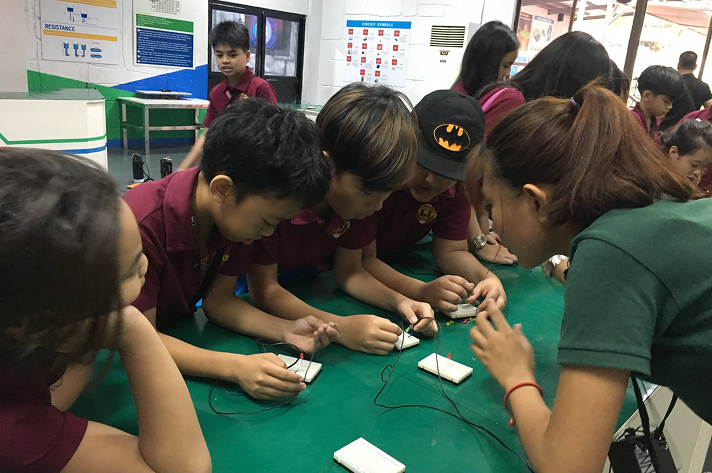
Every child develops differently, particularly during the early years when cognitive, emotional, and social growth can vary widely. A preschool curriculum should be designed to support children at their individual pace, allowing them to explore, question, and learn without unnecessary pressure. In preschool education in the Philippines, many schools now recognise that flexibility and child-centred learning are essential foundations for meaningful development.
Choosing the right curriculum directly relates to the blog topic because an early start should nurture curiosity rather than enforce rigid benchmarks. When children feel supported instead of compared, they build confidence and intrinsic motivation. This is especially important in early childhood education Philippines, where parents increasingly seek programmes that balance academic readiness with play-based and experiential learning.
Proven approaches such as inquiry-based learning, Montessori-inspired methods, and integrated literacy and numeracy programmes demonstrate how children flourish when learning is personalised. Schools that assess progress through observation rather than constant testing often produce children who are more engaged, self-assured, and eager to learn.
2. Familiarise With The Campus: Observe the School Environment
Like many preschools in Manila, its campus is more than just a physical space; it is where children feel safe, curious, and inspired. Classrooms, outdoor play areas, and shared spaces all influence how children interact with their surroundings and with one another. Observing the school environment provides parents with valuable insight into daily routines and learning dynamics.
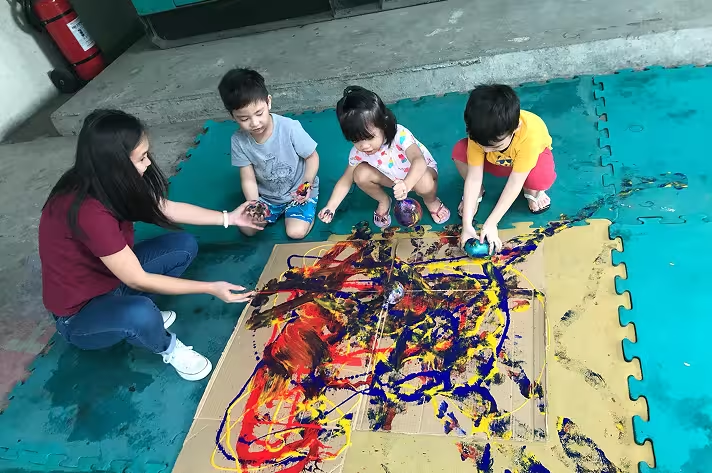
This aspect is closely tied to choosing the right preschool because the environment affects emotional well-being just as much as academics. Bright, organised classrooms, accessible learning materials, and welcoming common areas encourage independence and exploration. In preschool education in the Philippines, campuses that integrate nature, movement, and creative spaces often support more holistic development.
Examples of effective environments include schools with well-maintained outdoor play zones, child-scaled furniture, and calm, uncluttered classrooms. These features promote focus, safety, and positive social interaction, all of which are essential for a successful early start.
3. Safety & Security: A Peace Of Mind For When & Where Your Child Will Be
Safety is a non-negotiable factor when selecting a preschool. Parents need assurance that their children are protected physically, emotionally, and psychologically throughout the school day. Clear security protocols, trained staff, and well-supervised spaces form the backbone of a trustworthy institution.
In relation to the blog topic, peace of mind allows both children and parents to approach schooling with confidence. In the context of early childhood education Philippines, safety standards can vary, making it crucial for families to evaluate measures such as controlled access points, emergency preparedness, and staff-to-child ratios.
Schools that implement regular safety drills, secure entry systems, and transparent safeguarding policies demonstrate a strong commitment to the child’s well-being. These practices help create an environment where children feel secure enough to explore, learn, and build relationships.
4. School Culture & Values: Aligning Their Goals With Yours
A school’s culture reflects its beliefs about learning, behaviour, and community. Values such as respect, kindness, responsibility, and curiosity are often embedded in daily routines and interactions. For parents, aligning with these values ensures consistency between home and school.
This alignment is vital when choosing a preschool because early childhood is when values are first modelled and internalised. In preschool education in the Philippines, families increasingly look for schools that emphasise character development alongside academic growth.
As a school in Pasig City, Domuschola actively celebrates diversity, encourages collaboration, and fosters empathy woven into our values-based education. These environments help children develop not only intellectually but also socially and emotionally, laying a strong foundation for future learning.
5. Discipline Policies: Creating A Socially Safe Space For All
Discipline in preschool should focus on guidance rather than punishment. Effective policies teach children how to manage emotions, resolve conflicts, and understand consequences in age-appropriate ways. A socially safe space allows children to learn from mistakes without fear.
This subject matter relates closely to the blog topic because an early start should build emotional intelligence and resilience. When considering how to choose preschool, parents should examine whether discipline approaches support positive behaviour and mutual respect.
Proven examples include restorative practices, clear behavioural expectations, and consistent communication with parents. Schools that prioritise social-emotional learning often see stronger peer relationships and fewer behavioural challenges over time.
6. Accessibility: School Proximity & Transportation Availability
Accessibility plays a practical yet significant role in preschool selection. Travel time, transportation options, and location all affect a child’s daily energy levels and overall experience. A conveniently located school supports routine and reduces unnecessary stress.
In early childhood education Philippines, where traffic and distance can be challenging, accessibility becomes even more important. A school that is closer to home or offers reliable transport allows children to arrive calm and ready to learn.
Examples include neighbourhood preschools with safe drop-off systems or schools that provide well-managed transportation services. These options contribute to consistency, punctuality, and a smoother daily rhythm for families.
7. How Does The School Fare: Reputation and Reviews
A school’s reputation often reflects years of experience, parent satisfaction, and educational outcomes. Reviews and word-of-mouth recommendations provide valuable perspectives beyond brochures and websites.
This factor supports the blog topic by helping parents make informed decisions when searching for the best preschool in the Philippines. Reputation can indicate stability, quality teaching, and strong leadership within the school community.
Looking at testimonials, alumni feedback, and community engagement offers real-world examples of a school’s impact. Consistently positive reviews often highlight strong communication, caring educators, and supportive learning environments.
8. Keeping You In The Loop: Parent-School Communication
Open and consistent communication strengthens the partnership between parents and educators. Updates on learning progress, school events, and daily experiences help parents stay actively involved in their child’s development.
This element is essential when choosing a preschool because early education works best as a collaborative effort. In preschool education in the Philippines, schools that prioritise parent engagement tend to build stronger trust and continuity between home and classroom.
Effective examples include regular parent-teacher conferences, digital communication platforms, and open-door policies. These practices ensure transparency and reinforce a shared commitment to the child’s growth.
9. Conclusion
Choosing the right preschool is about more than convenience or academic promise; it is about setting the tone for a child’s lifelong relationship with learning. From curriculum and campus environment to safety, values, and communication, each factor plays a meaningful role in shaping early experiences. In the landscape of early childhood education in the Philippines, informed and thoughtful decisions empower parents to provide their children with a confident, supported, and joyful start. By carefully considering these elements, families can take a decisive step towards selecting a preschool that truly nurtures their child’s potential from the very beginning.