
Key Takeaways
- Project-based learning is not simply doing projects it is a structured method of instruction where students apply knowledge and skills to solve real, meaningful problems, resulting in deeper and longer-lasting understanding.
- Elementary school students benefit most from PBL because it engages their natural curiosity, encourages them to think critically, and helps them connect learning to the real world from an early age.
- PBL develops skills that go far beyond the classroom including collaboration, problem-solving, time management, and self-directed learning that are directly relevant to university study and professional life.
- Technology plays a central role in project-based learning, helping students and teachers stay connected, access information, and document their growing knowledge base over time.
- Schools that integrate PBL into their curriculum particularly through inquiry-based frameworks like the IB Primary Years Programme produce students who are not just academically capable but genuinely prepared for a complex, collaborative world.
Introduction
Project-based learning is a very effective way of understanding any concept, as it involves one going beyond the theoretical aspects of understanding something and experiencing it in a practical manner. There are naturally many advantages of project based learning. For instance, a project involving making a model aeroplane would in all likelihood make a student understand the principles behind aerodynamics rather than a theoretical reading of the concepts.
Project-Based Learning Is Not Just Hands On Activity Here Is What It Really Means
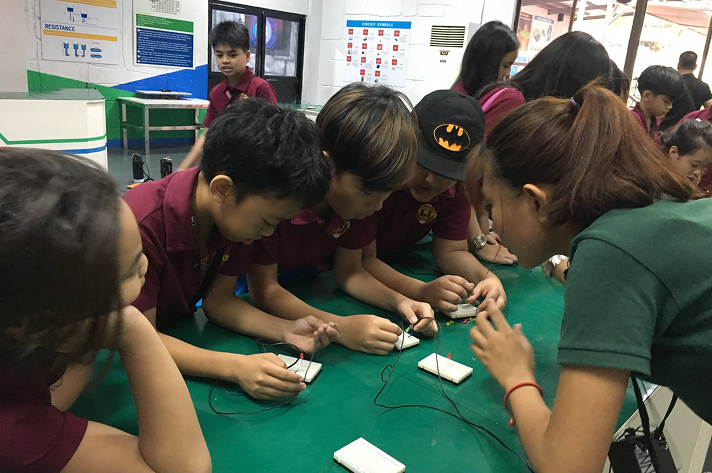
Project-based Learning is essentially a method of instruction that requires students to learn by using the knowledge and skills acquired by them and applying them in a practical manner via an engaging experience. What it does is empower students to learn at a deeper level, motivating them to strive for higher learning after they complete school.
Traditional Learning vs Project-Based Learning
| Aspect | Traditional Learning | Project-Based Learning |
| How students learn | Passive — listening and memorising | Active — doing, creating, and problem-solving |
| Assessment | Tests and written exams | Projects, presentations, and real outcomes |
| Skills developed | Content recall | Critical thinking, collaboration, |
| Student role | Receiver of information | Co-creator of knowledge |
| Connection to real world | Limited | Central to every task |
It Is Not Just About Making Learning Fun Here Is Why PBL Creates Deeper and Longer-Lasting Understanding
Project-based learning is important because it helps students obtain a deeper and, therefore, longer-lasting understanding of concepts. This helps elementary school students in their life ahead when they go in for higher studies. Let us look at the benefits of project-based learning in some detail here.
Benefits of Project-Based Learning in Elementary Schools
1. Helps Students to Build Skills
There isn’t a better way for students to understand concepts than by practically bringing them to life and, in the process learning valuable skills. It is, for example, not enough to define a circle for students. They have to be encouraged to use a compass to draw it, which also helps them learn to use a geometry tool. This example can be extrapolated to other instances of imparting project-based learning to students to help build their skill sets. Besides, 21st-century skills that include carrying out research, teamwork, problem-solving and the use of digital are best developed with the help of project-based learning
Domuschola’s commitment to developing lifelong learners goes beyond the classroom. The IB PYP’s action component where students take what they have learned and apply it in a meaningful way in the real world ensures that learning is never just academic. Students leave each unit not only knowing more, but doing more: contributing to their community, questioning their environment, and growing as individuals..
2. Engagement in PBL Is Not Passive Participation It Is Active, Purposeful, and Self-Driven
Increased engagement is a natural outcome of project-based learning. It allows the students to use the skills they have learned in a practical fashion. This leads to enhanced interest and enthusiasm on the part of the students in what they are doing, leading to better engagement.
3. Group Work in PBL Is Not Just Sharing Tasks It Teaches Students How to Genuinely Work With Others
Project-based learning often requires students to work jointly and complete the project in question, giving them hands on experience with learning to work with others and using modern tools of collaboration. This provides them with a vital 21st-century skill set that stands them in good stead in their life ahead.
4. It Enables Students to Be Innovative
When elementary students are asked to undergo project-based learning, they are expected to find practical solutions to problems presented to them as a means of learning new concepts. This makes them learn to think outside the box and come up with innovative solutions.
5. Builds Motivation
Nothing improves motivation more than practically being able to experience how one can put one’s learning into practice. It makes eminent sense for one to help students undertake the kind of projects that help them not only understand new concepts but also pick up skills that last them a lifetime.
6. Promotes Life-long Learning
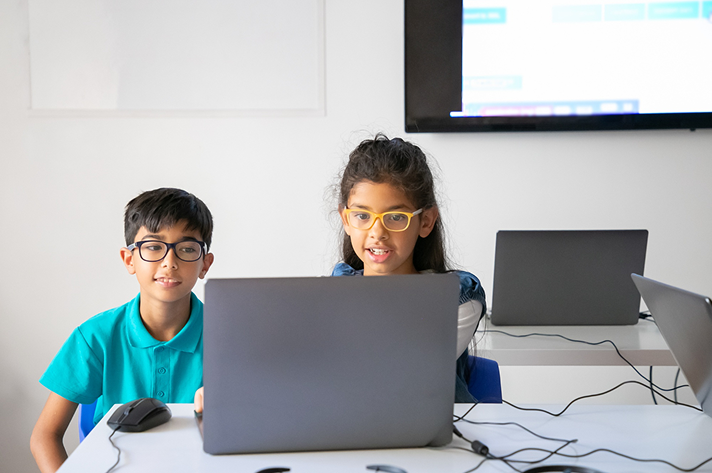
Project-based learning requires the use of technology to empower students and teachers to stay connected beyond the classroom. Moreover, the students help in the creation of a knowledge bank that they add to throughout their lives as lifelong learners on account of project-based learning.
7. Better Knowledge Retention
There is better knowledge retention in the case of knowledge-based learning because it is easier to relate to concepts if one has seen them being practically applied. More importantly, the hands-on engagement that project-based learning entails helps students become self-sufficient in solving problems on account of better knowledge retention.
8. Sparks Creativity and Curiosity
Boring classroom lectures that are known to kill the creative instinct in elementary school students can be made more interesting by complementing these with knowledge-based activities. Doing so enables students to leverage their creativity and sparks their curiosity about what is being sought to be taught. This results in a much enhanced and deeper level of engagement.
9. Empowerment
Project-based learning leads to a deeper and better understanding of what is being taught than mere classroom lectures. This makes the students more confident in terms of their knowledge which empowers them to do better and make improvements in their academic pursuits.
10. Improved Critical Thinking Abilities
When elementary students are required to come up with practical out-of-the-box solutions to problems presented to them during the course of completing a project, they are required to use their critical thinking abilities to do that. That invariably leads to an improvement in their critical thinking abilities.
In Domuschola’s IB PYP classrooms, Units of Inquiry are the vehicle through which project-based learning comes to life. Each unit is built around a Central Idea that connects multiple subject areas so when a student investigates how communities use resources, they are simultaneously developing science knowledge, mathematical thinking, communication skills, and social awareness. It is not a project added on top of learning it is the learning itself.
What Critical Thinking Through PBL Looks Like in an Elementary Classroom:
- Students are given a real-world problem such as designing a solution to reduce waste in the school canteen and must research, plan, and present their findings
- They are encouraged to question assumptions, test different approaches, and revise their thinking based on new information
- Teachers act as facilitators rather than answer-givers, guiding students to discover conclusions independently
- Students learn to evaluate the quality of their own work and the work of their peers through structured reflection
- The process of struggling with a problem and finding a solution builds resilience and confidence alongside academic knowledge
Conclusion
The benefits of project-based learning in elementary school are immense. It allows students to develop a deeper sense of engagement with the subject matter being taught to them and hone their critical thinking abilities. Project-based learning prepares elementary students for life in the collaborative digital age in the best possible manner.The best elementary schools in Metro Manila and private schools in Pasig City are places where project-based learning is offered.
FAQ
1. What is project-based learning and how is it different from traditional teaching?
Project-based learning is an educational approach where students gain knowledge and skills by working on real-world projects over an extended period, rather than through rote memorisation or passive instruction. Unlike traditional teaching, which focuses on delivering content and testing recall, project-based learning schools encourage students to ask questions, investigate problems, collaborate with peers, and present meaningful solutions. For elementary school students especially, this hands-on approach makes learning more relevant, engaging, and memorable building the kind of deep understanding that traditional methods often cannot achieve.
2. Why is project-based learning effective for elementary school students?
Project-based learning is particularly powerful at the elementary school level because young learners absorb knowledge best when it is connected to real experiences. Rather than sitting through lectures, students in project-based learning schools are actively involved in their education designing, creating, and problem-solving together. Among the best elementary schools in the Philippines, this approach is valued for developing not just academic skills but also teamwork, communication, and resilience. Elementary schools in Metro Manila that adopt this model consistently report higher student engagement and stronger retention of concepts across subjects.
3. How does project-based learning develop critical thinking skills in young children?
Project-based learning naturally cultivates critical thinking by placing students at the centre of complex, open-ended challenges that have no single right answer. In elementary school settings, this means children learn to gather information, evaluate options, and make decisions independently. Project-based learning schools design tasks that require students to analyse, reflect, and refine their thinking throughout the process. The best elementary schools in the Philippines recognise that critical thinking cannot be taught through textbooks alone it must be practised through experience, inquiry, and meaningful collaboration.
4. What role does technology play in project-based learning?
Technology is a powerful enabler of project-based learning, giving elementary school students access to research tools, creative platforms, and collaborative spaces that enrich the learning process. In project-based learning schools, students use digital tools to gather data, design presentations, produce videos, and share their work with real audiences beyond the classroom. Elementary schools in Metro Manila that integrate technology into their project-based learning curriculum help students develop digital literacy alongside academic skills preparing them for a future where both are equally essential.
5. How do international schools in Manila use project-based learning in their curriculum?
Elementary schools in Metro Manila following international curricula such as IB or Cambridge embed project-based learning into their everyday teaching practice. Rather than treating projects as add-ons, these schools design units of inquiry where elementary school students explore central ideas through investigation, collaboration, and real-world application. The best elementary schools in the Philippines use this approach to connect learning across multiple subject areas, ensuring students see the bigger picture rather than isolated facts. Project-based learning schools in Manila are increasingly recognised for producing well-rounded, globally minded graduates who are prepared for the demands of higher education.
6. Is project-based learning part of the IB Primary Years Programme?
Yes, project-based learning is deeply embedded in the IB Primary Years Programme (PYP). The PYP is structured around transdisciplinary units of inquiry that require elementary school students to investigate real-world themes through research, reflection, and action the hallmarks of authentic project-based learning. Among the best elementary schools in the Philippines offering the PYP, students regularly undertake collaborative projects that culminate in an Exhibition a significant project-based learning milestone where children demonstrate their understanding to the wider school community. Elementary schools in Metro Manila with IB accreditation are considered leading project-based learning schools in the region.
7. How can parents support project-based learning at home?
Parents play an important role in extending project-based learning beyond the school day. At the elementary school level, simple habits such as encouraging curiosity, asking open-ended questions, and supporting independent research go a long way. When children share what they are working on at their project-based learning schools, parents can help by visiting museums, exploring nature, or finding community connections that relate to the project theme. The best elementary schools in the Philippines often provide parent guides and involvement opportunities precisely because they understand that project-based learning thrives when the home and school environment reinforce each other.