

Key Takeaways
- Preschool and pre-primary education serve different but complementary roles preschool focuses on play-based social and emotional development, while pre-primary emphasises structured academic readiness and preparation for elementary school.
- Both stages are essential to a child’s early development, but the right choice depends on your child’s age, readiness, and the type of learning environment that best supports their individual pace and personality.
- Preschool classrooms are child-centred and exploratory, designed to nurture creativity, curiosity, and confidence through guided play and discovery-based activities.
- Pre-primary classrooms are more structured, introducing early literacy, numeracy, and independent thinking skills that form the academic foundation needed for primary school.
- Choosing a school that offers both preschool and pre-primary within a coherent early childhood programme ensures a seamless and consistent transition for your child from one stage to the next.
Early childhood learning is key to a child’s intellectual journey. While both approaches emphasise fundamental education, they focus on distinctive curricula and ideologies. This article shares distinctions to enable parents to make educated decisions regarding their child’s early learning experience, resulting in a seamless transition from the best preschool in Metro Manila to primary school.
Preschool vs Pre-Primary: The Key Differences Parents Need to Know
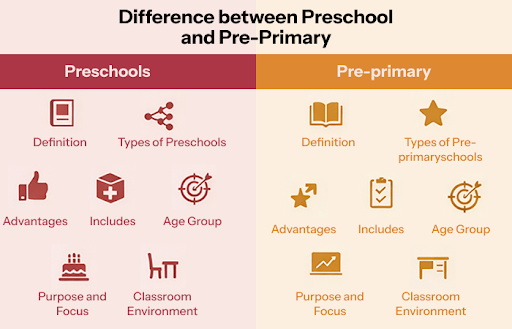
Listed below are the primary differences between preschool and pre-primary education to help parents make an informed decision impacting their child’s future:
At Domuschola, families do not have to navigate this decision alone. The admissions team works closely with parents to understand each child’s developmental stage and readiness before recommending the most appropriate entry point. Whether your child joins at the preschool or pre-primary level, the transition between stages at Domuschola is seamless because the same values, philosophy, and care run through every year of the programme.
Preschool: What It Is and How It Differs From Pre-Primary
1. What Preschool Actually Is and How It Sets Itself Apart From Pre-Primary
Preschool is an early childhood structure that trains learners for their formal learning journey. It builds a monitored yet joyful atmosphere where young learners can gain primary intellectual, social, and motor abilities via dynamic classroom activities. Preschool education emphasises building creativity and core academic understanding in a supportive environment.
Domuschola’s Early Years Programme for children aged 3 to 4 is designed around the understanding that play is not the opposite of learning — it is the most powerful form of it. Through inquiry-based exploration, storytelling, movement, and creative expression, children in the EYP develop communication skills, confidence, and a genuine love for discovery — without pressure, comparison, or rigid benchmarking.
2. What Types of Preschool Exist and How They Compare to Each Other
Preschool programs differ as per multiple instructional ideologies and academic approaches. Some notable curricula options include Waldorf, Montessori, Reggio Emilia and play-based learning. Parental values, future goals, learning style and needs are some factors that can influence the final decision.
3. What Preschool Gives Your Child That Pre-Primary Builds Upon Later
Preschools build a solid foundation for a child’s emotional and social growth. They improve early reading and numeracy abilities via interactive learning. Children learn interpersonal, mental, and problem-solving skills, which boosts communication and confidence. Structured routines promote independence and adaptation. Furthermore, preschool qualifies young children for continuous formal learning, allowing an effortless transition to elementary school.
4. What a Preschool Programme Includes
Preschool programs employ interactive activities like art projects, narrative storytelling and sensory play. Informative games and hands-on exercises reinforce core reading and numeracy skills in young minds. Group activities promote social skills, whereas outdoor play improves motor abilities. Guided exploration and disciplined routines help to support emotional growth and intellectual curiosity.
5. What Age Is Preschool For — and How It Differs From Pre-Primary Entry
Preschool is ideal for kids between two to four, depending on the nation and program structure. Some programs take children as young as 18 months, whereas others cater to preschoolers up to five years.
6. Purpose and Focus:
Preschool seeks to expose young minds to systematic learning enjoyably and excitingly. It emphasises building early reading, numeracy, and motor abilities while encouraging mental and social growth. Children gain communication and self-control skills via collaborative play and guided activities. The idea is to help kids prepare for primary school by instilling confidence and flexibility in an accepting setting.
7. What a Preschool Classroom Looks Like Versus a Pre-Primary Setting
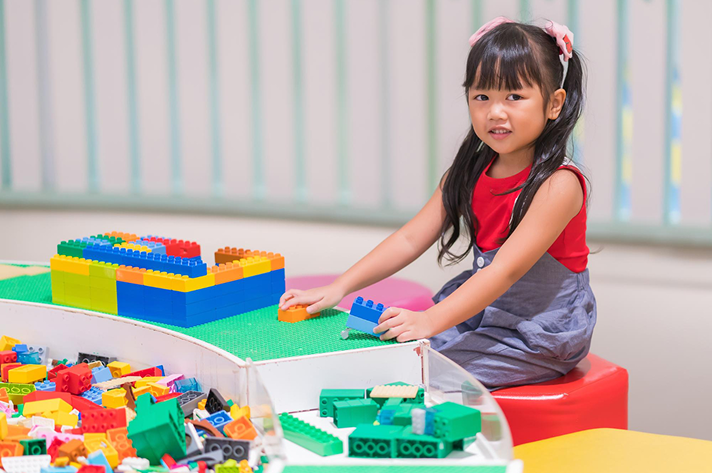
A preschool classroom is lively and child-centred to nurture creativity and curiosity. It has allocated play areas, reading nooks, and experimental learning spaces with age-appropriate games and resources. Preschools also focus on comfort and safety to promote discovery and collaboration. Teachers employ appealing resources and exercises to foster intellectual growth for secondary-level education, Philippines.
Pre-Primary: What It Is and How It Compares to Preschool
1. What Pre-Primary Really Means
Pre-primary school is an early-age education level for children preparing for elementary school. It offers a structured curriculum specialising in introductory language, mathematical and intellectual growth. Pre-primary education enables school preparation, discipline, and independent thinking. It ensures that children have the necessary cognitive and social abilities before they enter primary school.
Parent Tips: If your child is between 3 and 4 years old and is attending school for the first time, preschool is almost always the right starting point. The goal at this stage is not academic acceleration — it is helping your child feel safe, curious, and excited about learning. That foundation makes everything that follows easier.
2. Types of Pre-Primary Schools:
Pre-primary education differs according to the curriculum and instructional techniques. Some schools use national or international frameworks, including CBSE, IB PYP, or Cambridge Early Years. These programs blend organised academics with innovation and problem-solving, qualifying students for future academic achievement.
3. What Pre-Primary Offers That Goes Beyond What Preschool Provides
Pre-primary school helps kids master early reading, arithmetic, and problem-solving competencies, training them for formal education. It teaches discipline, independence, and established study habits. Social connections teach collaboration, communication skills, and emotional intelligence. The curriculum boosts creativity and adaptation, supporting a seamless transition to primary school while instilling self-confidence and a love for continuous learning.
4. What a Pre-Primary Programme Covers Compared to Earlier Childhood Stages
Pre-primary schools offer core literacy and mathematics classes with participatory activities, including storytelling, simulation, and group projects. It merges science, creative arts, and athletics to promote overall development. Emotion and social growth are prioritised, allowing primary school children to acquire discipline, problem-solving abilities, and self-assurance in a welcoming environment.
5. Age Group:
Pre-primary schools generally serve children aged four to six years, based on the relevant school systems and national legislation. Some programs have multiple stages, including nursery, lower and upper kindergarten.
Signs Your Child May Be Ready for Pre-Primary:
- They are comfortable separating from parents and settling into a structured routine
- They show interest in letters, numbers, and early reading activities
- They can follow two or three-step instructions without constant reminders
- They demonstrate basic self-care skills such as managing their bag and belongings
- They interact confidently with peers and can participate in group activities
6. Purpose and Focus:
Pre-primary education trains young kids for elementary school by imparting fundamental academic and life skills. The emphasis is on standardised learning, early literacy and the ability to resolve challenges. It inspires individuality, discipline, and social interactions. Through supervised activities, children increase logical thinking, creativity, and flexibility, providing an easy transition to first grade with optimism and preparation.
7. What a Pre-Primary Classroom Looks Like Compared to a Preschool Setting
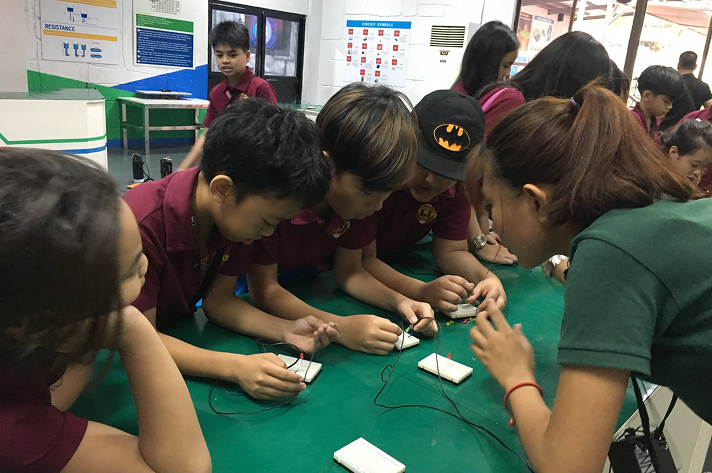
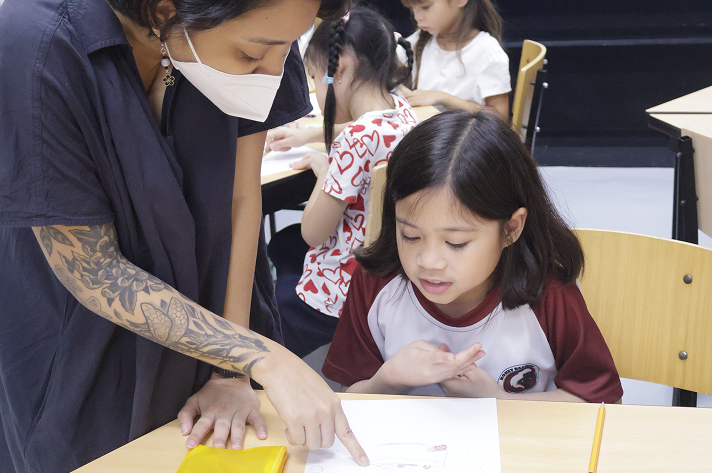
A pre-primary classroom is functional but stimulating, emphasising active learning. It has specific areas for writing, reading, and creative inquiry. Learning charts, games and group workspaces are examples of interactive aids that help with structured teaching. The atmosphere promotes partnership, curiosity, and independence while encouraging discipline and thinking skills in an uplifting and exciting setting.
Conclusion:
Preschool and pre-primary play distinct roles in early childhood development. Preschool stresses play-based learning and fundamental skills, whereas pre-primary focuses on independence and preparedness for advanced education, such as the IB diploma programme. Understanding these distinctions allows parents to select the appropriate level for their kids, providing a seamless transition into elementary school.
FAQs
1. Which school in Metro Manila has Early Years Programme for preschool-aged children?
Several schools in Metro Manila offer structured Early Years Programmes for preschool-aged children, many following globally recognised frameworks such as the IB PYP or Cambridge Early Years curriculum. These schools provide a connected preschool and primary experience, ensuring children build strong foundations from the start. Preschool education in the Philippines at these institutions is thoughtfully designed to support cognitive, social, emotional, and physical development — going well beyond traditional classroom learning.
2. Which international school in the Philippines offers Early Years education for expat families?
Expat families looking for an international preschool in the Philippines will find several well-established schools offering globally benchmarked Early Years programmes. The best international preschool options provide multilingual support, culturally inclusive environments, and a seamless preschool and primary continuum under one roof. For families searching for an international preschool near me in Metro Manila, attending open houses and campus visits is the best way to find the right fit for your child.
3. How to get admission in an international school in the Philippines?
Admission into an international preschool or kindergarten school in the Philippines typically begins with submitting documents such as the child’s birth certificate, immunisation records, and passport copies. For preschool education in the Philippines at the international level, a school readiness visit or informal assessment may also be required. Families are encouraged to apply early, as enrolment in quality international preschool programmes across Metro Manila fills up well before the academic year begins.
4. What is the early years programme in the Philippines?
The Early Years Programme in the Philippines is a structured educational framework for children aged 3 to 6, covering the preschool and kindergarten stages of learning. At international preschool institutions, it is often aligned with IB or Cambridge curricula, prioritising inquiry-based and play-centred learning. Preschool education in the Philippines at this level focuses on language, numeracy, creativity, and social skills, with a connected preschool and primary pathway ensuring children build confidently on these early foundations.
5. How to choose the best early years programme in the Philippines for your child?
Start by understanding your child’s personality, learning pace, and social needs when evaluating international preschool options. Look for schools that offer a connected preschool and primary pathway, a globally recognised curriculum, and strong pastoral care. Preschool education in the Philippines varies widely, so visiting campuses and observing classrooms is essential. For expat families searching for an international preschool near me, prioritise schools with multilingual support and a curriculum that travels well if your family relocates.
6. How is the early years curriculum structured in Philippine schools?
The Early Years curriculum in international preschool and kindergarten school in the Philippines settings is structured around five key developmental domains — physical, social, emotional, cognitive, and language. It is typically play-based and inquiry-driven, encouraging children to explore and question the world around them. The preschool and primary continuum ensures skills introduced in Early Years are progressively built upon, while preschool education in the Philippines at internationally benchmarked schools combines structured routines, themed learning units, and child-led discovery for a balanced, whole-child experience.