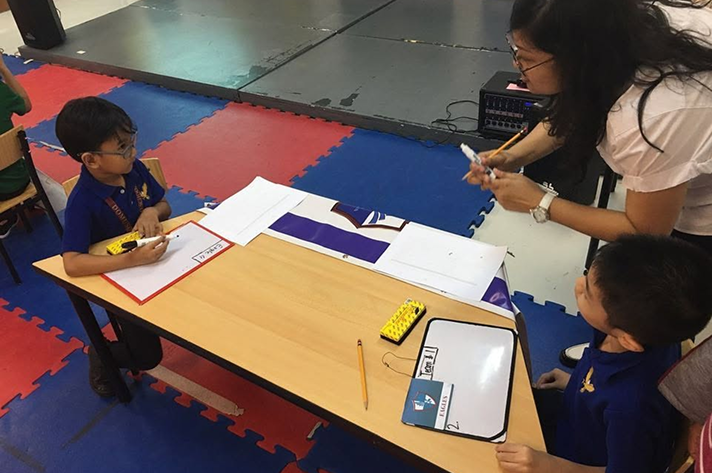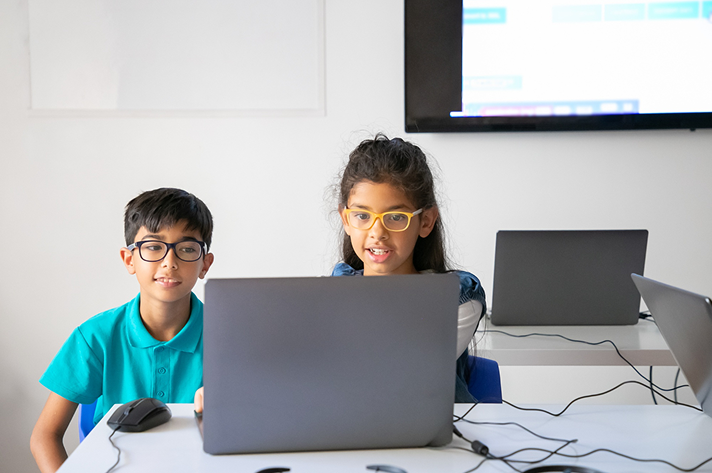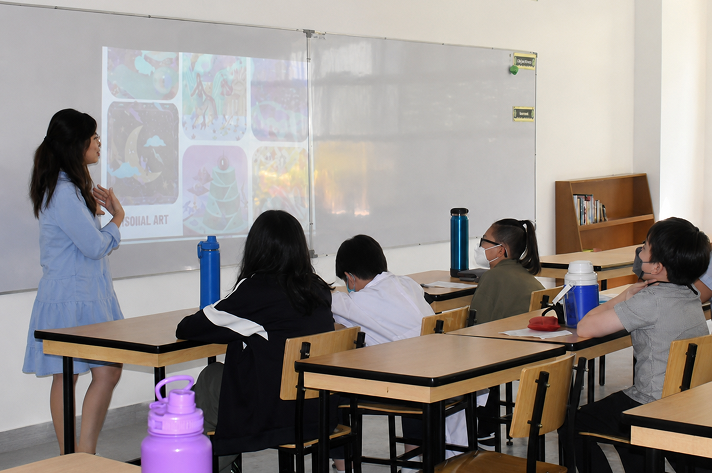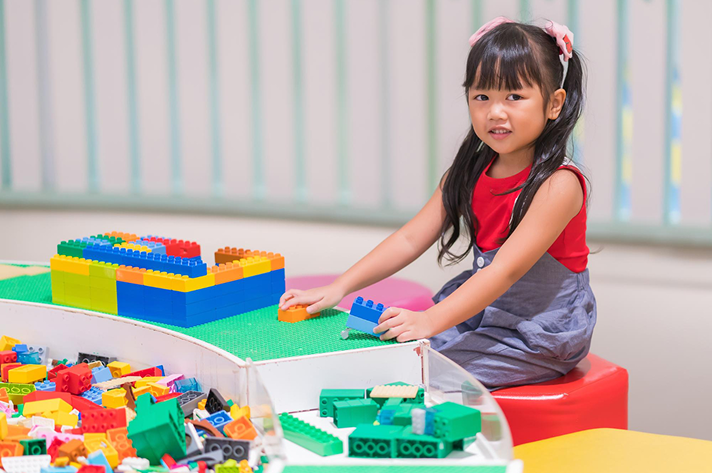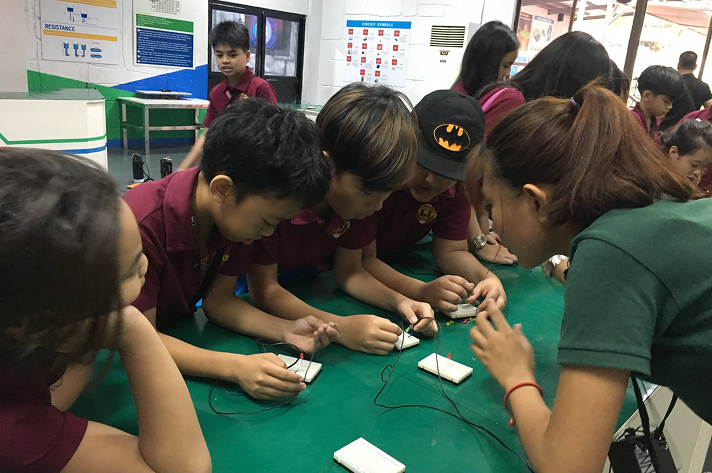

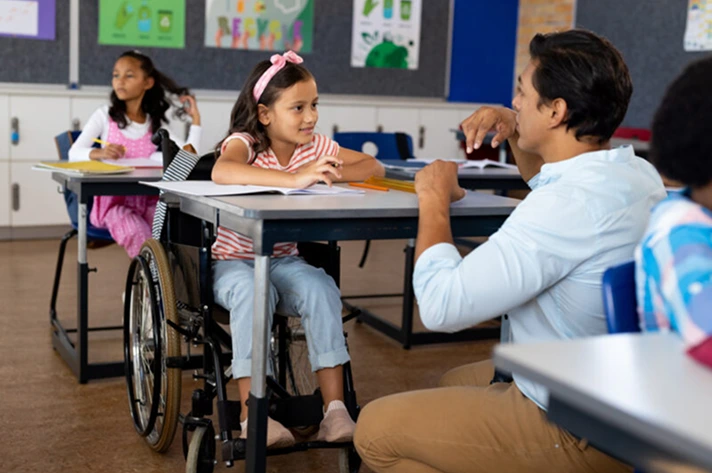
Education thrives when every learner feels seen, valued, and supported. In today’s increasingly interconnected world, inclusivity is no longer an optional feature of academic institutions — it is a fundamental principle. To understand what is inclusive education, we must recognise it as an approach that ensures all students, regardless of background, ability, culture, or identity, have equal access to meaningful learning opportunities. Many inclusive initiatives are present or are an ongoing implement across many international schools across the Philippines. Inclusivity in academics seeks to remove barriers, celebrate diversity, and create environments where every child can succeed.
- Learning alongside peers from different backgrounds enhances academic performance and broadens perspectives
- Inclusive environments bridge understanding between diverse communities
- Inclusive education addresses discrimination while promoting equality
- Exposure to diversity develops empathy and strengthens communication skills
- Inclusive academic settings prepare students for a global and interconnected society
Recognising the importance of inclusive education helps schools foster accessible, equitable, and future-ready learning environments.
1. Learning From People Of Different Background Improves Academic Performance
A diverse classroom brings together students with varied cultural experiences, languages, learning styles, and perspectives. This diversity enriches discussions, encourages critical thinking, and challenges students to consider viewpoints beyond their own.
This directly relates to the blog topic because inclusive academic environments strengthen both access and outcomes. The importance of studying inclusive education lies in its ability to create dynamic learning spaces where students benefit from exposure to different ideas and approaches. When learners collaborate with peers from diverse backgrounds, they often develop stronger analytical skills and greater cognitive flexibility.
Proven examples include collaborative group projects that require students to solve problems from multiple angles, classroom discussions that incorporate global perspectives, and peer-learning activities where students share unique experiences. Research consistently shows that diverse learning environments foster higher engagement and improved academic achievement. Inclusivity, therefore, is not only about fairness — it also enhances educational quality.
2. Bridges An Understanding Between Different Communities
Inclusive education does more than improve academic performance; it fosters meaningful connections between individuals and communities. When students interact with peers from different socio-economic, cultural, or national backgrounds, they gain insight into perspectives they may not encounter otherwise.
This bridging effect highlights the importance of inclusive education in building social cohesion. Schools serve as microcosms of society, and inclusive classrooms model the respectful coexistence that communities strive to achieve. By learning together, students begin to appreciate differences rather than fear them.
Examples include multicultural celebrations that honour various traditions, classroom discussions centred on global issues, and community outreach initiatives that encourage social awareness. Through these experiences, students learn to value diversity as a strength. Inclusivity in academics thus contributes not only to individual growth but also to a more harmonious society.
3. Addresses Discrimination While Promoting Equality
At its core, inclusive education seeks to remove barriers that prevent equal access to learning. These barriers may be physical, cultural, linguistic, or systemic. By intentionally designing equitable policies and practices, schools can ensure that no student is marginalised.
Understanding what is inclusive education requires acknowledging its role in addressing discrimination. Inclusive academic frameworks actively challenge biases and promote fairness in curriculum design, assessment methods, and school culture. This commitment to equity reinforces the belief that every child deserves the opportunity to succeed.
Proven examples include differentiated instruction to accommodate various learning needs, anti-bullying programmes that promote respect, and admissions policies that prioritise equal opportunity. Many IB schools in the Philippines that implement accessibility measures — such as learning support services or inclusive teaching strategies — demonstrate their dedication to fairness. By reducing discrimination and fostering equality, inclusive education makes learning genuinely accessible.
4. Develops Empathy For Better Social And Communication Skill
Empathy is a critical life skill that enables individuals to understand and respond to others’ emotions and experiences. Inclusive academic environments cultivate empathy by encouraging students to listen, collaborate, and engage respectfully with peers who may have different perspectives.
This subject matter reinforces the importance of studying inclusive education, as empathy contributes to both academic and personal development. When students feel respected and included, they are more confident in expressing themselves. In turn, they learn to extend the same respect to others.
Examples include peer mentoring programmes, group reflections after collaborative tasks, and classroom discussions that encourage perspective-taking. Students who regularly engage in inclusive settings often demonstrate stronger communication skills and greater emotional intelligence. These qualities are invaluable not only in school but also in professional and personal contexts.
5. Prepares Students For A Diverse And Global Society
Today’s students will grow into adults who live and work in an increasingly diverse and interconnected world. Inclusive academic environments mirror this reality by exposing learners to global perspectives, cross-cultural collaboration, and varied experiences.
This preparation underscores the broader importance of inclusive education. Beyond academic success, schools have a responsibility to equip students with the skills needed to navigate complex global environments. Inclusivity helps develop adaptability, cultural awareness, and open-mindedness — qualities essential in higher education and the modern workforce.
Proven examples include internationally minded curricula, collaborative projects with global themes, and opportunities for intercultural dialogue. Students educated in inclusive settings are more likely to approach differences with curiosity rather than apprehension. By preparing learners for diversity beyond the classroom, inclusive education strengthens long-term societal progress.
Conclusion
Inclusivity in academics is not merely a policy initiative; it is a philosophy that ensures education remains accessible, equitable, and enriching for all learners. From improving academic performance through diverse perspectives to bridging communities, addressing discrimination, fostering empathy, and preparing students for a global society, the impact of inclusive education is far-reaching. Understanding what is inclusive education and recognising the importance of studying inclusive education empowers schools and families alike to champion environments where every student can thrive. Ultimately, the importance of inclusive education lies in its ability to transform classrooms into spaces of opportunity, respect, and shared growth — making education truly accessible for all.