
For many families, applying to a new school can feel both exciting and overwhelming. One of the most common steps in the admissions journey is the admission assessment test — a process used by many international schools in the Philippines to better understand a child’s academic readiness, developmental progress, and learning abilities. Whether applying for preschool, primary school, or secondary education, these assessments help schools determine how best to support each student’s educational journey.
An admission test is not simply about measuring intelligence or academic performance. Instead, it allows schools to evaluate a child’s current learning level, communication skills, comprehension, problem-solving abilities, and overall readiness for the curriculum and environment they are applying to. In the case of a kindergarten admission test, assessments are often designed to observe developmental milestones, social interaction, and foundational literacy or numeracy skills in an age-appropriate way.
In this blog, we will explore:
- What an admission assessment test is and how it works
- What families can expect during the assessment process
- Why admission assessments are important in a child’s academic journey
- How parents can help children prepare confidently for an entrance exam or admission assessment.
Understanding these elements can help parents approach the school admission process with greater confidence and clarity.
What Is An Admission Assessment Test?
An admission assessment test is a screening or evaluation process conducted by schools to assess a student’s academic skills, developmental readiness, and suitability for a particular grade level or educational programme. Depending on the school and age group, assessments may include written tasks, interviews, observations, or interactive activities.
The purpose of an admission test is not to intimidate students, but to help schools understand how each child learns and identify the level of support they may need. Some schools as well as preschools in Manila use these assessments to ensure students are placed in environments where they can thrive academically, socially, and emotionally.
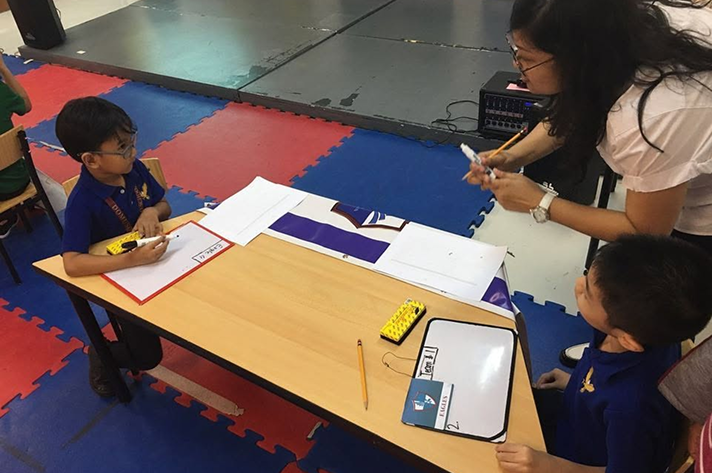
Examples of admission assessments include literacy and numeracy evaluations for primary school applicants, observational play-based activities for a kindergarten admission test, and subject-based written examinations for secondary school students. Some schools may also incorporate interviews or classroom observations as part of the process.
What To Expect In An Admission Assessment Test?
Admission assessments vary depending on the school’s curriculum, philosophy, and year level. However, most tests are designed to evaluate foundational knowledge, comprehension skills, and developmental readiness appropriate to the child’s age.
For younger learners, particularly those undergoing a kindergarten admission test, assessments are often interactive and observation-based. Schools may evaluate communication skills, fine motor development, listening comprehension, and basic recognition of shapes, colours, letters, or numbers. For older students, assessments may include mathematics, reading comprehension, writing exercises, and logical reasoning tasks.
Understanding what to expect is important because familiarity helps reduce anxiety for both parents and children. When students feel prepared and comfortable, they are more likely to demonstrate their natural abilities confidently during the entrance exam process.
Examples include simple storytelling exercises for early years applicants, timed mathematics and language assessments for primary admissions, and essay-based or analytical tests for secondary-level students. Some schools may also conduct interviews to better understand the child’s personality, interests, and learning style.
How Admission Assessment Test Is Important In A Child’s Academic Journey
Admission assessments play an important role in helping schools identify the most suitable learning environment for each child. Rather than functioning solely as a selection tool, assessments provide valuable insight into a student’s academic strengths, developmental stage, and readiness for the curriculum.
This directly relates to the broader purpose of the admission test because proper placement supports long-term academic confidence and success. When students enter programmes aligned with their current abilities and needs, they are more likely to remain engaged, motivated, and emotionally secure.
Examples include schools using assessments to identify students who may benefit from additional learning support, advanced academic opportunities, or differentiated instruction. In a kindergarten admission test, teachers may observe social readiness and communication abilities to ensure smooth classroom integration. These evaluations help schools provide targeted support from the beginning of a student’s educational journey.
Admission assessments also help maintain academic consistency within classrooms. By understanding each student’s readiness level, schools can design learning experiences that support both individual growth and collaborative classroom learning.
What Can You Do To Help Prepare Your Child For The Admission Assessment Test
Preparing for an admission assessment should focus on building confidence rather than creating pressure. Children perform best when they feel emotionally secure, supported, and familiar with the testing environment.
One of the most effective ways to prepare for an entrance exam is through consistent exposure to age-appropriate learning activities. Reading together, practising simple numeracy exercises, engaging in conversations, and encouraging problem-solving through play all help strengthen foundational skills naturally.
This preparation is important because it helps children approach the assessment with confidence and familiarity. Parents who frame the experience positively can reduce anxiety and help children view the process as an opportunity rather than a challenge.
Examples of preparation strategies include reading storybooks aloud to improve comprehension, practising basic writing and counting activities, introducing simple puzzles and memory games, and maintaining regular sleep routines before assessment days. For a kindergarten admission test, play-based activities that strengthen communication, listening, and motor coordination can be particularly beneficial.
Parents should also avoid excessive drilling or unrealistic expectations. Schools are generally assessing readiness and developmental potential rather than perfection. Encouragement, reassurance, and emotional support are often just as important as academic preparation.
Conclusion
An admission assessment test is an important part of the school admissions journey, helping educators better understand a child’s readiness, learning level, and developmental needs. Whether through a formal admission test, a play-based kindergarten admission test, or a structured entrance exam, these assessments are designed to support proper placement and ensure students receive the educational environment best suited to their growth. By understanding what to expect and preparing children through positive and supportive experiences, parents can help build confidence and reduce anxiety during the process. Ultimately, admission assessments are not simply about evaluation — they are about helping every child begin their academic journey with the strongest possible foundation for success.
FAQ
1. What is the purpose of an admission assessment test?
The purpose of an admission assessment test is to evaluate a student’s academic readiness, developmental progress, and suitability for a specific school programme or grade level.
2. What subjects are included in an admission assessment test?
Subjects may include reading comprehension, mathematics, writing, logical reasoning, and language skills. Younger children may also undergo developmental or observational assessments.
3. How can I prepare my child for an admission test?
Parents can support preparation through regular reading activities, basic numeracy practice, educational games, positive encouragement, and maintaining healthy routines before the assessment.
4. Are admission assessment tests difficult for children?
Most admission assessments are designed to be age-appropriate and evalu