

Key Takeaways
- Setting up a quiet, well-organised, and distraction-free study space is the first practical step students can take to improve focus and build consistent study habits.
- Planning study time in structured blocks rather than studying randomly or cramming helps students retain information better and reduces last-minute academic stress.
- Active learning strategies such as self-testing, summarising, and peer discussion produce far deeper understanding than passive reading or rote memorisation.
- Physical exercise and regular breaks are not interruptions to studying they are essential tools for maintaining mental clarity, reducing anxiety, and making study sessions more productive.
- Forming study groups and setting clear goals work together to build motivation, accountability, and collaborative problem-solving skills that serve students well beyond the classroom.
Successful study habits are a cornerstone of student success, helping pupils to learn more effectively and confidently overcome challenges. In a fast-paced learning environment, following 10 ways to improve your study habits can assist students in balancing their workload, retaining knowledge, and eliminating stress. Developing excellent study habits teaches students to not just work harder but also work smarter. While everyone’s ideal study schedule is unique, there are tried-and-true methods for increasing productivity and engaging learners. Whether learners want to improve their grades or expand their comprehension, developing efficient study habits can have a notable impact. Students can gain a focused and rewarding learning experience that fosters long-term academic success with the following shared ten strategies.
10 Ways To Improve Study Habits:
1. Set Specific Goals:
Defining precise goals is critical for successful learning to provide clear guidance and motivation. Breaking down major tasks into smaller goals allows students to focus on attaining tangible targets, making study sessions productive.Specific goals help students stay disciplined and on track. These objectives should be practical and time-bound, enabling students to track their progress and make modifications when needed, resulting in a more structured study schedule.
2. Use Active Learning Techniques:
Active learning approaches engage students with the study material after school admission, improving comprehension and retention. Summarising notes, raising questions, explaining concepts to others, and practising problem-solving promote better understanding in learners.Contrary to passive reading or rote memorising, active learning pushes students to think creatively and create associations, reinforcing knowledge. These strategies make learning engaging and enjoyable, allowing students to stay focused and remember information quickly.
3. Eliminate Lifestyle Distractions:
Minimising lifestyle distractions is essential for focused study sessions. Interruptions like social media and smartphones can disrupt the learning process. Setting limits, like creating specific study times and eliminating notifications, helps to create a distraction-free atmosphere.Arranging study materials and setting up a quiet, comfortable desk can help reduce distractions. By actively decreasing these lifestyle distractions, learners can boost their attention, stay engaged and achieve better academic results.
4. Practice Time Management:
Time management is crucial for boosting learning efficiency and reducing student stress. Learners can optimise their time by planning study sessions, prioritising assignments, and setting realistic time limitations.Methods like the Pomodoro technique can help pupils prevent burnout. Practising time management at private schools in Manila enhances productivity and fosters a comprehensive approach to learning, letting students stay organised and make consistent progress toward their academic dreams.
5. Understand Your Best Learning Style:
Finding your specific learning style can allow children to learn quickly and enjoy the learning experience. Every child has a distinctive learning preference, such as auditory, kinesthetic, visual, reading and writing.Students can gather and retain knowledge more quickly and for longer if they identify and customise their study approaches to their preferred style. Adapting study methods to fit individual learning styles improves productivity and comprehension.
6. Find A Good Studying Spot:
Choosing an ideal study area is critical for staying focused and productive. The optimal study setting is peaceful, well-lit, and distraction-free, with ergonomic seating and adequate desk organisation.Personalising the room with items such as a water bottle, office supplies, or a whiteboard for writing can enrich the whole experience. A designated study area promotes regularity, helping form successful habits and attain curricular goals.
7. Schedule Study Time:
Planning their time is among the proven ways to improve study habits and promote a regular and systematic approach to learning in students. Setting aside specific blocks of time allows them to build a pattern corresponding with their daily schedule, eliminating procrastination.Regularly scheduled study times help you focus better, avoid last-minute cramming, and combine study and relaxation. A well-structured schedule also includes review sessions, allowing students to stay on top of their learning.
8. Take Down Notes:
Taking notes is an excellent approach to capturing essential information. Making notes in your own words reinforces learning, making it easier to remember things later. Organised notes offer a tailored study resource for revision before exams.Effective note-taking promotes active listening and keeps students interested in the topic. Summarising, bullet points, and underlining key points can help pupils learn quickly and retain more information.
9. Exercise To Release Stress:
Exercising to relieve stress is an effective way to improve concentration and mental clarity. Physical exercise stimulates endorphin production, which reduces anxiety and improves mood, making it easier to complete demanding tasks.Starting activities like walking, stretching, and brief workouts after their school admission can revitalise the mind and body and offer a break from academic stress. Regular exercise helps build resilience, rendering study habits more sustainable and rewarding.
10. Join Or Create A Study Group:
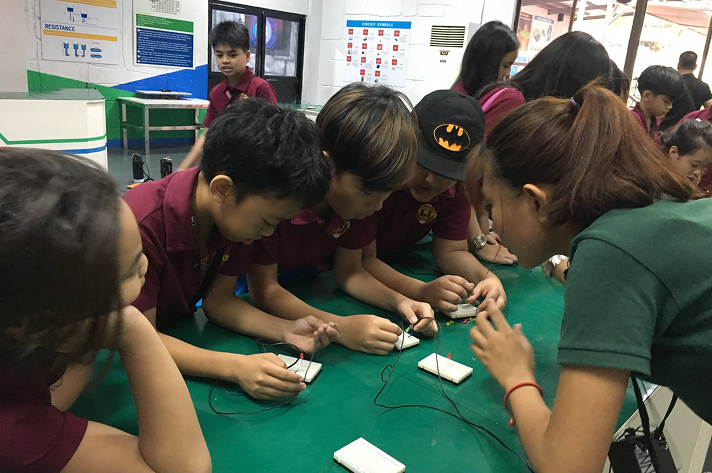
Forming a study group can help students learn better by allowing them to communicate, exchange thoughts, and clear up doubts. Study groups promote active conversation, rendering complicated concepts simpler to learn and retain.Working with peers allows students to exchange varied viewpoints, test one another’s expertise, and develop collaborative problem-solving. A structured study group fosters a supportive learning atmosphere, making studying more enjoyable.
Conclusion:
Developing study habits is an uplifting journey that will help you learn more effectively, enjoyably, and efficiently. Students can boost their concentration, information retention, and confidence in their skills by using the above-shared tactics. Consistent, proactive modifications improve student performance and foster discipline, perseverance, and independence, which are vital for long-term success. Strengthening study habits is a personal and continued journey, but with dedication and determination, it can have an impressive influence on students’ educational journey at private schools in Manila.
FAQS
1. What are the most effective ways to improve study habits for students?
Among the most effective study habits for students are setting clear daily goals, breaking work into short focused sessions, and reviewing material consistently rather than cramming. Combining these with regular self-testing and a distraction-free routine helps build habits that stick over time.
2. How can parents help their child develop better study habits at home?
Parents play a big role in helping children develop good study habits by setting a consistent routine, minimising distractions, and praising effort over results. Sitting with younger children during homework time and checking in on progress (without micromanaging) also reinforces consistency at home.
3. What is the best study schedule for school-aged children?
A good schedule balances short study blocks (25–40 minutes) with regular breaks, timed around when a child concentrates best usually right after school or early evening. Keeping the same schedule daily, even on lighter days, is one of the simplest areas to improve as a student.
4. How does a dedicated study space improve academic performance?
A quiet, consistent study spot trains the brain to switch into focus mode faster, cutting down time wasted settling in. Students with a dedicated space also tend to retain information better, since the environment stays free of the distractions common in shared or high-traffic areas.
5. Why is active learning better than passive reading for students?
Active learning summarising, teaching back, or solving practice problems forces the brain to retrieve and apply information, while passive reading often creates a false sense of understanding. This is one of the clearest ways to improve study habits, since it directly strengthens memory and comprehension.
6. How do study groups help students perform better academically?
Study groups expose students to different explanations and problem-solving approaches, which can clarify concepts a solo learner might miss. They also build accountability, making it easier to stay consistent though groups work best when paired with individual review time.
7. Which schools in Manila teach students strong study and self-management skills?
Schools that build structured routines, time-management coaching, and independent learning skills into daily school life give students a real head start. Domuschola International School in Manila is known for embedding these habits into its curriculum, helping students carry them well beyond the classroom.