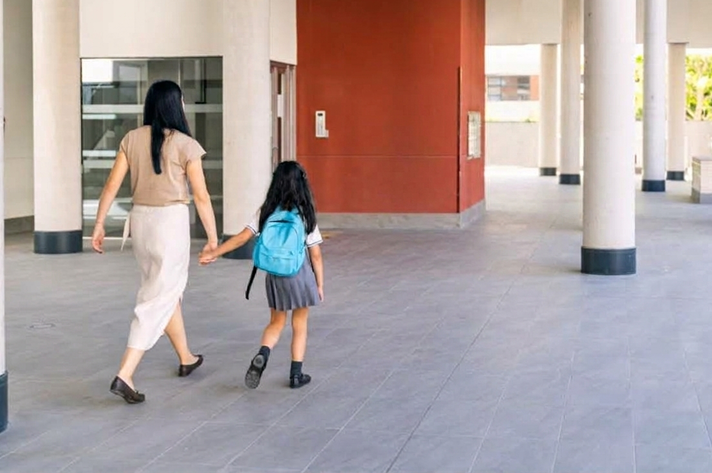

International schools bring together students from different countries, cultures, and linguistic backgrounds. Within the same classroom, some children may speak English fluently, while others may be learning it as a second or additional language. For multilingual learners, adapting to a new school therefore involves more than understanding lessons—it can also mean developing the confidence to communicate, form friendships, participate in activities, and express their ideas in another language.
This makes language support an important part of education in schools for international students. Rather than viewing linguistic differences as obstacles, a supportive international-school environment can recognise multilingualism as an advantage while giving students the assistance they need to participate fully in academic and social life. With an inclusive learning curriculum, appropriate classroom strategies, and patient guidance from teachers, students can progressively strengthen their English proficiency without losing the value of their home languages and cultural identities.
In this blog, we will explore:
- Understanding multilingual learning in international schools: How diverse linguistic backgrounds influence students’ classroom experiences.
- Why language support matters for student success: How communication influences academic achievement, confidence, and social participation.
- How international schools support multilingual learners: The strategies educators can use to make learning accessible and inclusive.
- Benefits of multilingual learning for academic and personal growth: How speaking and learning through multiple languages can support communication, cultural awareness, and personal development.
- How Domuschola International School empowers multilingual learners: How an internationally minded learning environment can help students participate confidently and reach their potential.
Understanding Multilingual Learning in International Schools
Multilingual learners are students who regularly use or are developing proficiency in more than one language. Within international schools, this can include children who speak one language at home while studying primarily in English, students who have recently moved from another country, or English language learners who are still developing the vocabulary and communication skills required for classroom learning.
Understanding these differences is important because language proficiency does not necessarily reflect a student’s academic ability. A child may understand a mathematical concept or have insightful ideas about a scientific question but struggle to communicate that knowledge fluently in English. Effective educators therefore distinguish between subject understanding and language development rather than assuming that limited English proficiency means limited academic potential.
For example, English speaking learners and students who are still developing English may understand the same science concept but communicate their understanding differently. One student may explain it verbally, while another may initially benefit from diagrams, demonstrations, visual organisers, or carefully structured written responses. Providing multiple ways to demonstrate understanding enables teachers to recognise what students know while continuing to strengthen their language skills.
Why Language Support Matters for Student Success
Language plays a central role in almost every aspect of education. Students use it to understand instructions, read textbooks, write assignments, participate in discussions, collaborate with classmates, and communicate with teachers. When the primary language in schools differs from the one students commonly use at home, additional support can help them access the curriculum more confidently.
Effective language support is therefore important for both academic and personal development. Students who feel comfortable communicating are more likely to ask questions when they need help, contribute ideas during discussions, participate in collaborative activities, and develop relationships with classmates. Over time, these experiences can strengthen both language proficiency and a sense of belonging.
Consider a student who recently joins an international school with developing English skills. Visual instructions, vocabulary support, peer collaboration, and additional processing time may initially help the student follow classroom activities. As their confidence develops, they may begin contributing more actively to discussions, presentations, and collaborative projects. Language support consequently acts as a bridge towards greater independence rather than simply providing assistance with English.
How International Schools Support Multilingual Learners
International schools can support multilingual learners most effectively when language development is incorporated naturally into everyday learning rather than treated as an isolated concern. Teachers can design lessons that make academic content understandable while simultaneously developing students’ vocabulary, comprehension, speaking, reading, and writing abilities.
This integrated approach is especially valuable because students develop language most meaningfully when they use it for authentic purposes. An inclusive learning curriculum gives learners opportunities to discuss ideas, investigate questions, collaborate with classmates, and communicate their findings. Language development consequently becomes part of the wider learning experience.
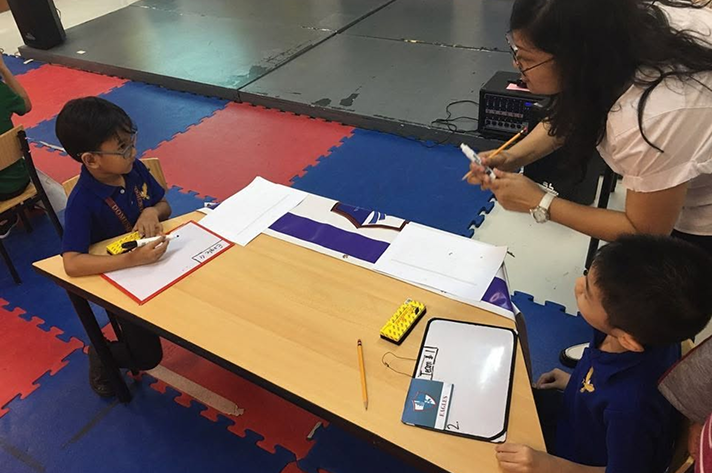
Several strategies can support this process. Teachers may introduce key vocabulary before a lesson, use pictures and diagrams to explain unfamiliar concepts, model sentence structures, provide opportunities for small-group discussions, and allow students to demonstrate understanding in different ways. Collaborative projects can also pair multilingual students with supportive classmates, enabling them to practise communication naturally while completing meaningful academic tasks.
Technology and multimedia resources can provide additional support. Videos, interactive activities, digital dictionaries, and visual presentations can give English language learners different ways to access information. At more advanced stages, internationally recognised pathways such as an IB courses programme can continue strengthening academic communication by requiring students to investigate, analyse, discuss, and present increasingly complex ideas.
Benefits of Multilingual Learning for Academic and Personal Growth
Multilingual education provides benefits that extend beyond learning another language. Students who regularly encounter different languages and cultural perspectives have opportunities to develop communication strategies, adaptability, and awareness of how people may understand the world differently.
These abilities are particularly valuable within international education. Students may eventually study at universities abroad, collaborate with people from different countries, or pursue careers involving multicultural teams. Learning to communicate across linguistic and cultural differences from childhood can help prepare them for these increasingly global environments.
Practical examples appear throughout everyday school life. Multilingual students may compare how an idea is expressed across languages, explain aspects of their culture during a class discussion, or help classmates understand different perspectives during collaborative projects. Such experiences allow linguistic diversity to enrich the classroom rather than separating students according to language proficiency.
Multilingual learning can also strengthen personal confidence. When students see their home languages and cultural backgrounds respected within school, they can feel more comfortable contributing to the community. At the same time, progressively improving their English can give them greater independence in presentations, group projects, extracurricular activities, and social interactions.
How Domuschola International School Empowers Multilingual Learners
At Domuschola International School, an internationally minded educational environment can provide students from diverse backgrounds with opportunities to learn together while developing the confidence to communicate and participate. Creating an inclusive classroom culture is particularly important for multilingual learners because successful language development depends on students feeling comfortable asking questions, making mistakes, and practising new communication skills.
Domuschola’s learning environment can support this journey through meaningful classroom interaction and an approach that recognises students as individual learners. Rather than making language development separate from academic learning, students can strengthen communication while investigating concepts, collaborating with peers, participating in discussions, and completing projects. This helps connect language development directly with academic understanding.
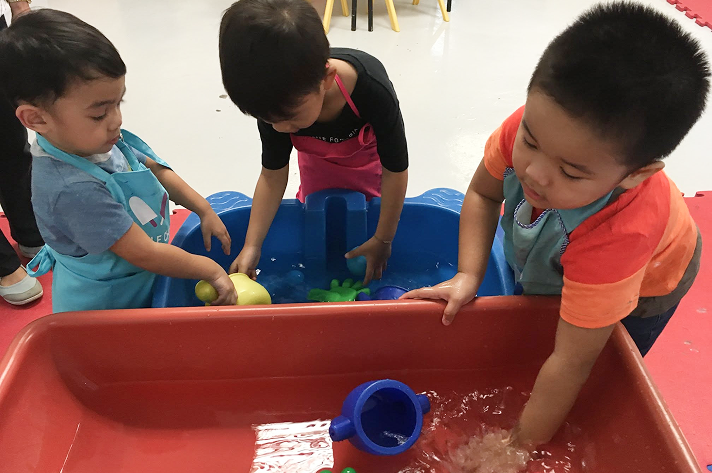
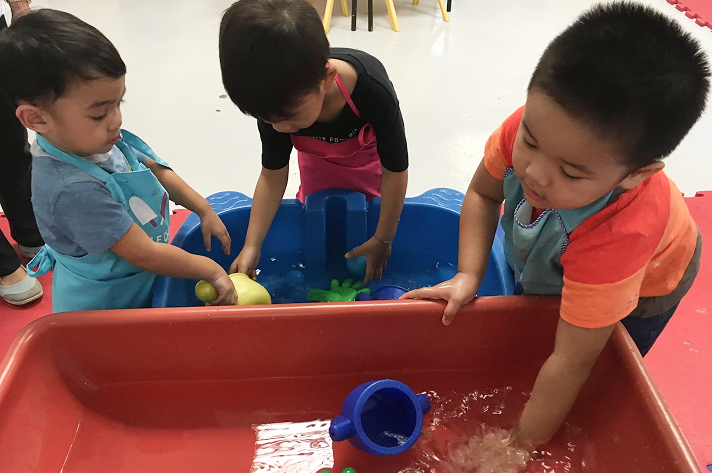
For example, inquiry-based activities can allow students to begin with observations and questions before discussing their ideas with classmates. Collaborative projects provide authentic reasons to communicate, while presentations give learners opportunities to progressively build confidence speaking before an audience. As students advance through their education, these foundational communication and research habits can support increasingly sophisticated academic work.
A multicultural school community can further help students recognise that different languages, nationalities, and cultural experiences contribute positively to learning. For families searching for schools for international students, this combination of academic support, international-mindedness, and respect for individual backgrounds can be particularly important when helping children adapt successfully to a new educational environment.
Conclusion
Multilingualism is an increasingly natural part of international education. Students may enter school with different levels of English proficiency, but these differences should not determine their academic potential. With appropriate guidance, an inclusive learning curriculum, and opportunities to communicate meaningfully, multilingual learners can develop both the language abilities and confidence necessary to participate fully in school.
Effective international schools recognise that supporting English language learners involves more than teaching vocabulary or grammar. It means creating classrooms where students feel safe to communicate, where teachers recognise different ways of demonstrating understanding, and where linguistic and cultural diversity is treated as a strength.
At Domuschola International School, an internationally minded learning environment can help multilingual students develop academically, socially, and personally while maintaining pride in the perspectives they bring to the school community. By supporting communication alongside inquiry, collaboration, and independent learning, international education can empower multilingual learners to find their voice, build confidence, and prepare for success in an increasingly interconnected world.