

What is the Early Years Curriculum?
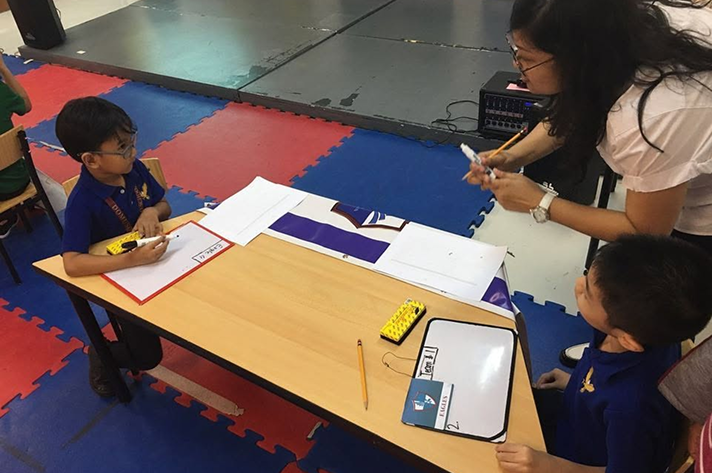
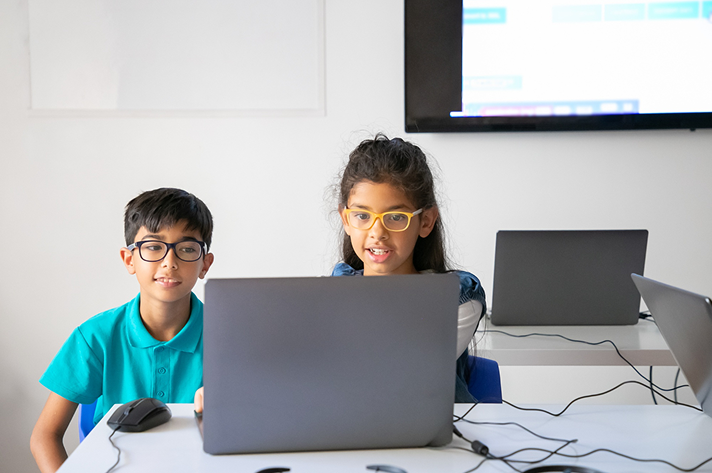
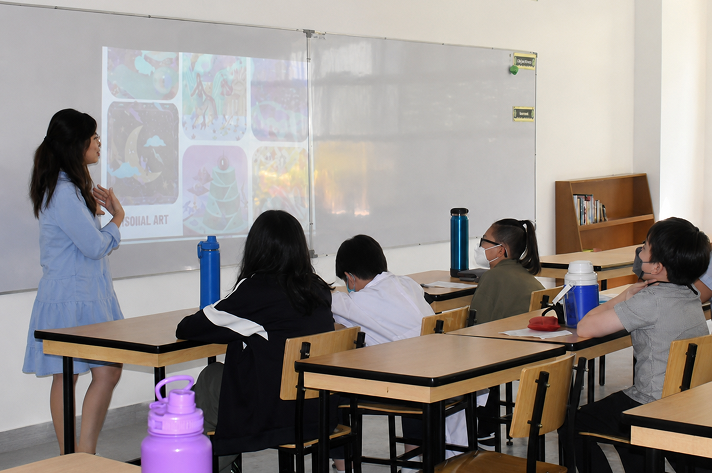
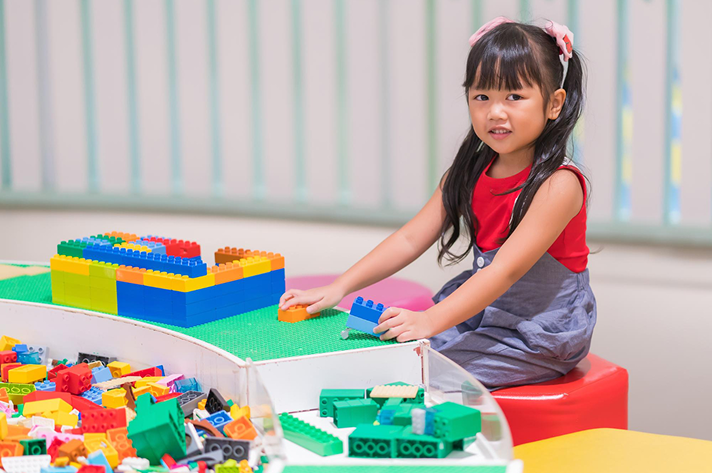
An early years curriculum is a structured, child-centred approach designed for young learners during their formative years. It focuses on building foundational skills in communication, social interaction, and emotional development through play, inquiry, and guided activities. At DIS, this approach nurtures curiosity, confidence, and a lifelong love for learning.
The early years of a child’s life form the foundation for how they think, communicate, and engage with the world around them. In recent years, growing attention has been given to how structured, developmentally appropriate learning during these formative stages supports long-term academic and personal success. Across the country, early childhood education in the Philippines continues to evolve, with schools adopting research-informed curricula that place the child at the centre of learning.
- Understanding the types of early years curriculum available helps parents make informed educational choices
- Examining how early education shapes learning journeys highlights its long-term importance
- Exploring the advantages of early childhood education shows how strong foundations support lifelong success
- Looking at how Domuschola applies an IB-inspired approach in their early years programme
Together, these perspectives illustrate how a well-designed early years curriculum is positively shaping learning outcomes for children in the Philippines.
An Early Start: Types of Available Early Years Curriculum
Early years education encompasses a range of curriculum models designed to support young learners during critical developmental stages. In the Philippines, families may encounter play-based programmes, Montessori-inspired approaches, Reggio Emilia influences, and internationally benchmarked frameworks. Each model varies in structure, learning focus, and assessment style, but all aim to support holistic child development.
Understanding these options is essential when evaluating the preschool curriculum in the Philippines and the kindergarten curriculum in the Philippines. Some curricula emphasise self-directed exploration, while others integrate early literacy and numeracy through guided activities. The diversity of approaches allows parents to choose a learning environment that best suits their child’s personality, pace, and interests.
Proven examples include play-based curricula that use storytelling and sensory activities to build early language skills, as well as inquiry-driven programmes that encourage questioning and problem-solving. These varied models reflect a growing recognition that learning in the early years should be flexible, engaging, and developmentally appropriate.
Education in the Philippines: How Early Years Curriculum Shapes A Better Learning Journey
The role of early education extends beyond preparing children for formal schooling. A thoughtfully designed curriculum helps children develop confidence, resilience, and a positive attitude towards learning. In the broader context of education in the Philippines, early years programmes play a critical role in reducing learning gaps and supporting smoother transitions into primary education.
This subject matter directly relates to the blog topic because a strong start influences how children approach learning throughout their academic journey. A quality early years curriculum supports cognitive growth while also nurturing emotional regulation, communication skills, and social awareness. These competencies are essential for long-term success, both inside and outside the classroom.
Examples of positive impact include children entering primary school with stronger language abilities, greater independence, and improved social skills. Schools that invest in early learning frameworks often observe higher engagement levels and more confident learners as children progress through later stages of education.
Elevated Learning: The Early Childhood Education Advantage
Early childhood education provides a unique advantage by addressing learning during a period of rapid brain development. Research consistently shows that children who participate in structured early education programmes are more likely to develop strong foundational skills and maintain positive learning habits over time.
In the Philippines, this advantage is increasingly recognised as families seek programmes that balance academic readiness with emotional and social growth. A well-implemented preschool curriculum supports creativity, critical thinking, and collaboration, all of which are essential skills for the future.
Proven examples include early literacy programmes that integrate phonics through play, numeracy activities that develop problem-solving skills, and group-based projects that encourage teamwork. These experiences help children build confidence while learning to express ideas, manage emotions, and interact respectfully with others.
Inspired by the IB: How Domuschola Nurtures Early Learners
Domuschola’s Early Years Programme reflects a commitment to nurturing young learners through an inquiry-driven, child-centred approach inspired by the International Baccalaureate (IB) philosophy. As one of the leading elementary schools in Metro Manila, we believe that learning is designed to be meaningful, engaging, and responsive to each child’s developmental stage.
This approach aligns closely with the blog topic by demonstrating how an intentional early years curriculum supports both academic and personal growth. At Domuschola, children are encouraged to explore their curiosities, ask questions, and make connections to the world around them, fostering a natural love for learning from an early age.
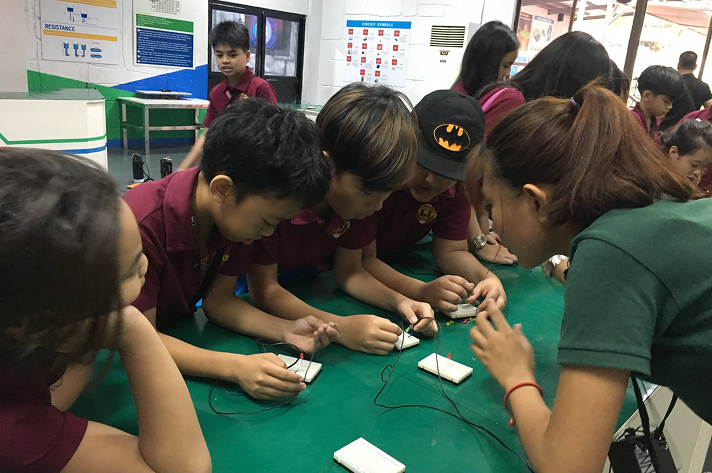
Relevant examples from Domuschola’s Early Years Programme include learning experiences that integrate play, inquiry, and reflection. Children engage in hands-on activities that promote language development, early numeracy, and social interaction, while teachers act as facilitators who guide exploration rather than dictate outcomes. Emphasis is placed on collaboration, communication, and self-expression, helping children develop confidence and independence within a supportive learning environment.
Through this IB-inspired framework, Domuschola nurtures internationally minded learners who are curious, compassionate, and eager to engage with their surroundings, setting a strong foundation for future learning.
Conclusion
The early years curriculum plays a vital role in shaping how children in the Philippines learn, grow, and develop. From understanding the range of curriculum options available to recognising the long-term benefits of early childhood education, it is clear that a strong foundation makes a lasting difference. As schools continue to refine their approaches to early childhood education in the Philippines, programmes that prioritise inquiry, balance structure with flexibility, and nurture the whole child stand out. By investing in a purposeful and engaging preschool curriculum, families empower children with the skills, confidence, and curiosity they need to thrive throughout their educational journey and beyond.