
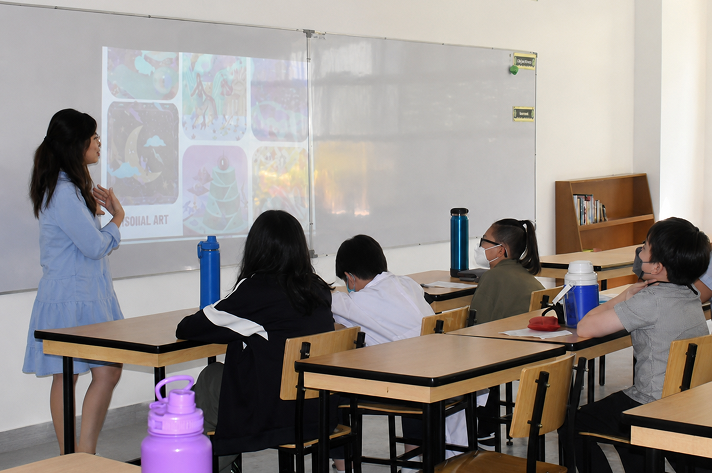
Choosing the right educational pathway during a child’s formative years is one of the most important decisions parents can make. Primary education establishes the academic foundation, learning habits, and personal values that children carry into secondary school and beyond. While the national curriculum provides learners with structured academic standards, many parents today are also considering internationally recognised programmes such as the IB Primary Years Programme because of its holistic and inquiry-based approach to learning.
The IB programme curriculum is designed to help children become curious, confident, and independent learners by encouraging them to ask questions, solve problems, and apply their knowledge in meaningful ways. Rather than focusing solely on academic achievement, it also nurtures character development, communication skills, and global awareness.
In this blog, we will explore:
- What the IB Primary Years Programme is and how it supports children’s learning
- How the IB PYP differs from the national curriculum
- The academic benefits of the PYP
- The invaluable lifelong skills that students develop through the programme
- How Domuschola International School supports every child’s learning journey through the IB PYP
Understanding these differences can help parents make an informed decision about the educational environment that best prepares their children for lifelong success.
Understanding the IB Primary Years Programme (PYP)
The IB Primary Years Programme (PYP) is the first stage of the International Baccalaureate framework and is designed for learners aged 3 to 10 years old. It focuses on developing the whole child by combining academic excellence with personal, social, and emotional growth.
Unlike traditional classroom models that often separate learning into individual subjects, the PYP uses transdisciplinary themes to connect different areas of knowledge. Students are encouraged to investigate real-world topics through inquiry, collaboration, and reflection, allowing them to understand how different subjects relate to one another.
This approach is important because children naturally learn best when they are actively engaged in the learning process. By encouraging curiosity and exploration, the IB Primary Years Programme helps students become more confident learners who understand concepts instead of simply memorising information.
For example, a class exploring environmental sustainability may integrate science, mathematics, language, and art into a single unit of inquiry. Students could research recycling practices, collect data, write persuasive pieces, and create awareness campaigns while learning multiple subjects simultaneously.
What IB PYP Offers That Differs From The National Curriculum
Both the IB Primary Years Programme and the national curriculum aim to provide children with a quality education, but they differ significantly in how learning takes place.
The national curriculum generally follows a structured, subject-based approach with clear learning standards and assessments. This provides consistency and ensures that students develop core academic knowledge aligned with national educational objectives.
In comparison, the IB programme curriculum places greater emphasis on inquiry-based learning, conceptual understanding, collaboration, and international-mindedness. Students are encouraged to ask questions, investigate ideas, and connect their learning to real-life situations rather than simply recalling facts during examinations.
These differences are significant because today’s learners need more than academic knowledge alone. They also require creativity, adaptability, communication skills, and the ability to think critically qualities that are increasingly valued by universities and employers around the world.
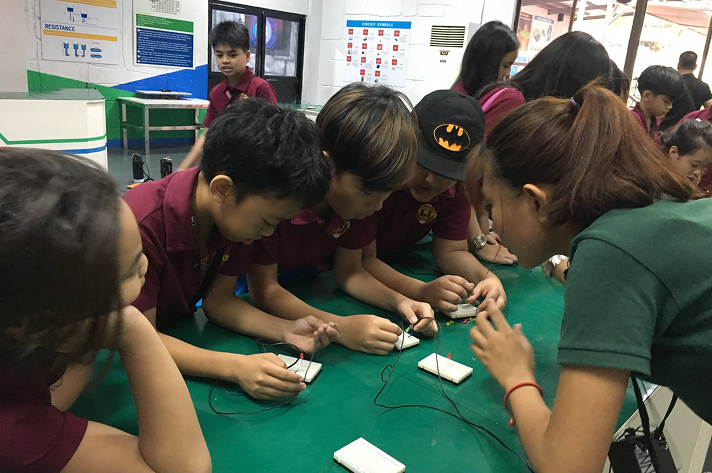
For instance, while students studying under the national curriculum may complete a science lesson by learning specific scientific facts, PYP learners may investigate a real-world environmental issue, conduct experiments, discuss possible solutions, and present their findings to classmates. This process helps deepen understanding while strengthening analytical and communication skills.
Academic Benefits of the IB PYP
One of the greatest strengths of the IB Primary Years Programme is its ability to develop strong academic foundations while encouraging students to become independent learners.
Because learning is inquiry-driven, students gain a deeper understanding of concepts rather than relying solely on memorisation. They learn how to ask meaningful questions, gather information, analyse evidence, and apply knowledge across different subjects.
The programme also promotes reflective learning. Students regularly evaluate their own progress, identify areas for improvement, and develop strategies for continued growth. This encourages greater ownership of their education and builds confidence in their learning abilities.
Another academic advantage is differentiated instruction. Teachers recognise that every child learns differently and adapt learning experiences to support each student’s individual strengths and needs.
Examples include students conducting research projects, presenting investigations, participating in collaborative classroom discussions, and solving authentic problems that require knowledge from multiple subject areas.
Invaluable Skills Learners of IB PYP Develop
Beyond academic achievement, the IB Primary Years Programme helps children develop lifelong skills that prepare them for future education and everyday life.
One important skill is critical thinking. Students learn to analyse information, evaluate evidence, and consider different perspectives before making decisions. This enables them to become thoughtful learners who are capable of solving complex problems.
The programme also develops communication skills. Students regularly express their ideas through presentations, discussions, writing, and collaborative projects, helping them become confident communicators.
Another essential competency is collaboration. Working with classmates teaches children how to respect different viewpoints, share responsibilities, and achieve common goals.
The PYP also strengthens self-management. Learners develop organisational skills, perseverance, resilience, and the ability to reflect on their own progress. These habits become increasingly valuable as students move into higher levels of education.
Finally, the programme nurtures international-mindedness by encouraging students to appreciate cultural diversity, global perspectives, and responsible citizenship.
Examples of these skills can be seen when students work together to investigate community issues, present inquiry projects, participate in service-learning activities, or reflect on how their actions can positively influence others.
The DIS Approach For IB PYP In Supporting The Child’s Learning Journey
At Domuschola International School, the IB Primary Years Programme is delivered through a supportive and engaging learning environment that places every child at the centre of the educational experience.
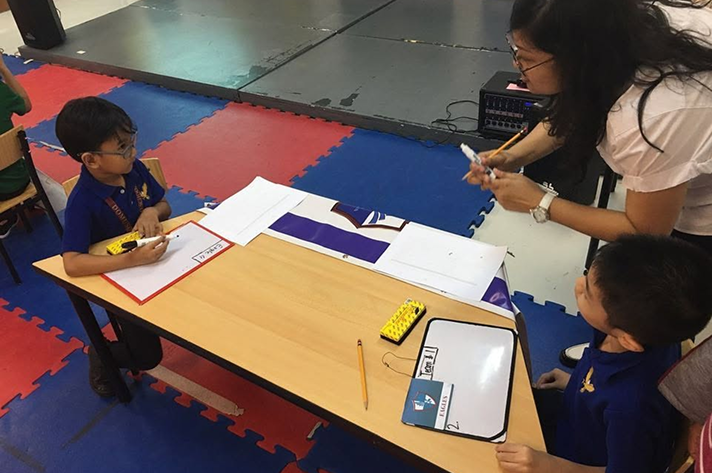
Teachers encourage students to ask questions, investigate meaningful concepts, and participate actively in classroom discussions. Rather than simply providing answers, educators guide learners through inquiry so they develop confidence in discovering knowledge independently.
Recognising that every child has unique strengths and interests, Domuschola also provides personalised support to ensure students receive the guidance they need while being challenged to achieve their full potential.
Beyond classroom learning, students are encouraged to participate in collaborative projects, leadership opportunities, creative activities, and community initiatives that reinforce the values of the IB Learner Profile. These experiences help learners become caring, principled, open-minded, and reflective individuals.
As part of the Global Schools Group network, Domuschola also offers students opportunities to develop international perspectives by learning within a globally connected educational community. This enriches the learning experience and prepares students to succeed in an increasingly interconnected world.
Conclusion
Both the national curriculum and the IB Primary Years Programme provide valuable educational opportunities, but they differ in their approach to developing young learners. While the national curriculum focuses on structured academic progression, many schools in the Philippines that carries the IB programme curriculum combines academic excellence with inquiry, collaboration, critical thinking, and holistic development.
The IB Primary Years Programme encourages children to become curious learners who actively explore ideas, solve problems, and make meaningful connections between their learning and the world around them. These experiences not only strengthen academic performance but also build the confidence, resilience, and adaptability needed for future success.
At Domuschola International School, the PYP provides students with a nurturing environment where curiosity is celebrated, individuality is respected, and lifelong learning begins. Through inquiry-based education and a commitment to developing the whole child, Domuschola prepares learners to thrive academically while becoming compassionate, responsible, and globally minded individuals ready for the opportunities of tomorrow.