
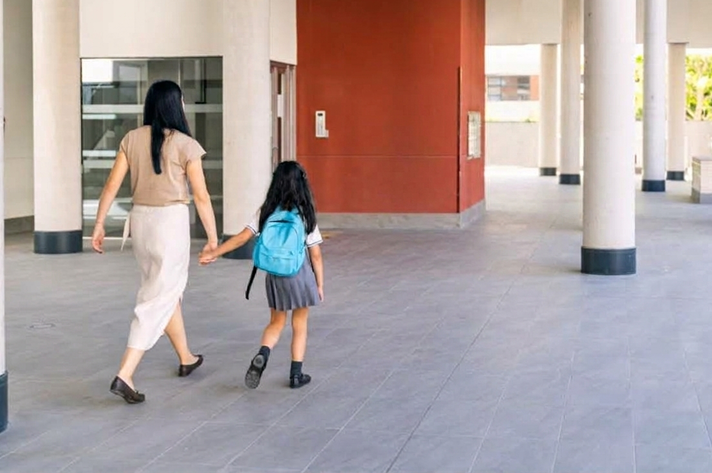
Moving to another country can bring exciting opportunities for a family, but it can also create significant changes in a child’s education. Students may need to adjust to a different school environment, teaching style, curriculum, language, and social community simultaneously. For families planning to transfer schools, choosing an international school that provides both academic continuity and appropriate language support can make this transition considerably easier.
International schools can be particularly valuable for migrating families because internationally recognised programmes provide educational frameworks that can remain relevant even when students move between countries. At the same time, English as an Additional Language (EAL) support can help students who are still developing English proficiency participate more confidently in lessons and school life. Selecting the appropriate IB program curriculum, international primary curriculum, or secondary pathway therefore involves considering not only academics but also how effectively a school supports the child’s overall transition.
In this guide, we will explore:
- Transferring from a local school to an international school: What families can expect when children move between different educational systems.
- Choosing an international curriculum for migrating families: Why curriculum continuity and international recognition should influence school selection.
- Key challenges families face when transferring schools: The academic, linguistic, social, and emotional adjustments students may encounter.
- How EAL support helps students adjust academically and socially: Why appropriate language support can make classroom participation and relationship-building easier.
- Benefits of a smooth school transition for migrating families: How effective support can strengthen confidence, wellbeing, and academic progress.
- Why the right curriculum and EAL support matter for long-term success: How curriculum choice and language development can support future educational pathways.
- Tips for families preparing to transfer their child to an international school: Practical considerations that can help parents prepare for a successful student transfer.
Transferring from a Local School to an International School
Moving from a local school to an international school involves more than completing a new school admission process. Students may encounter different classroom expectations, assessment methods, teaching philosophies, subject structures, and extracurricular opportunities. A child accustomed to teacher-led lessons, for instance, may enter an environment where inquiry, discussion, collaboration, and independent research play larger roles.
Understanding these differences matters because children require time to adapt to unfamiliar expectations. Parents should not assume that academic performance will immediately remain identical after a transfer. Even academically strong students may initially need support understanding new terminology, classroom routines, assessment criteria, or approaches to completing assignments.
For example, a student transferring into an inquiry-based international programme may be asked to investigate a question, collaborate with classmates, and present their findings instead of memorising information for an examination. Familiarising the child with these expectations before and during the transition can help make the adjustment less overwhelming.
Choosing an International Curriculum for Migrating Families
Curriculum choice is particularly important for families whose work or personal circumstances may involve relocating between countries. Internationally recognised educational programmes can provide greater continuity by using learning frameworks that are understood by schools and universities across different education systems.
Parents should consider their child’s age, previous education, future destinations, learning preferences, and long-term university plans when comparing curricula. Younger children may benefit from an international primary curriculum that encourages inquiry and holistic development, while older students may require programmes that provide clear preparation for higher education.
The International Baccalaureate is one example. An IB program curriculum emphasises conceptual understanding, inquiry, international-mindedness, and transferable skills. At the upper-secondary level, an IB diploma program can provide a structured pathway towards university while developing research, communication, critical-thinking, and independent-learning abilities.
For a family expecting another international move, choosing a widely recognised educational framework can make it easier to communicate the child’s academic experience to future schools and universities.
Key Challenges Families Face When Transferring Schools
A student transfer can present several challenges, particularly when a child is simultaneously adapting to a new country. Recognising these areas early enables parents and educators to provide appropriate support.
Adjusting to a Different Curriculum
Different schools may cover concepts in different sequences or use different approaches to teaching and assessment. A transferring student could therefore encounter topics that classmates have already studied or repeat material covered at their previous school.
This makes curriculum mapping and academic assessment valuable during the transition. Schools can identify potential learning gaps and determine where additional support may be necessary.
For example, mathematics concepts may be introduced at different year levels between curricula. Reviewing previous school reports and discussing learning outcomes with teachers can help the new school develop an appropriate support plan.
Adapting to New Teaching and Assessment Methods
International schools may place greater emphasis on inquiry, projects, presentations, research, and collaborative learning than a student’s previous school.
Students need time to understand these expectations because success may require different skills from those used in their previous environment. Teachers can help by clearly explaining assessment criteria and modelling unfamiliar learning strategies.
A child who previously relied heavily on written examinations, for instance, may initially find presentations challenging. Regular classroom participation and supportive feedback can gradually strengthen confidence.
Language Barriers
Students entering an English-medium international school may understand academic concepts but have difficulty expressing their knowledge in English.
Language support is important because limited English proficiency should not be mistaken for limited academic ability. EAL strategies can help students access classroom content while progressively developing communication skills.
Visual materials, vocabulary guidance, structured conversations, and additional processing time are examples of approaches that can help students participate while building proficiency.
Social and Emotional Adjustment
Leaving friends, familiar teachers, and established routines can be emotionally challenging. Students must often create new friendships while simultaneously adapting academically.
A welcoming school community can help children develop a sense of belonging. Teachers, counsellors, classmates, clubs, and extracurricular activities can all provide opportunities for students to form connections.
For example, collaborative activities can help new students meet classmates naturally rather than requiring them to establish friendships independently.
How EAL Support Helps Students Adjust Academically and Socially
English as an Additional Language support is designed to help students develop the English proficiency necessary to participate meaningfully in an English-medium learning environment. Effective EAL support works alongside academic learning rather than treating language development as completely separate from the curriculum.
This approach matters because language influences almost every part of school life. Students need English to understand instructions, participate in discussions, read academic material, complete written work, and communicate socially.
In practice, teachers may pre-teach essential vocabulary, use visual explanations, provide sentence structures, check comprehension, and create opportunities for guided discussion. Peer collaboration can also allow students to practise English naturally while participating in academic activities.
As language confidence improves, students can become increasingly independent, contributing ideas during lessons and communicating more comfortably with teachers and classmates.
Benefits of a Smooth School Transition for Migrating Families
A well-supported transition can help students settle into their new environment without unnecessarily disrupting academic progress. When children understand classroom expectations and know where to seek assistance, they can direct more attention towards learning.
A positive transition can also strengthen emotional wellbeing. Feeling accepted by teachers and classmates helps students develop confidence and a sense of belonging, both of which can influence classroom participation.
For migrating families, these benefits extend beyond the student. Parents can feel more confident about their relocation when they know their child’s educational and social needs are being supported. Clear communication between families and schools can further strengthen this partnership.
Why the Right Curriculum and EAL Support Matter for Long-Term Success
Curriculum and language support should not be considered independently. Students need access to academically appropriate learning while simultaneously developing the communication skills necessary to demonstrate their understanding.
A suitable international curriculum provides academic progression, while effective EAL support helps students access that curriculum. Together, they can prepare learners for increasingly complex academic tasks and future transitions.
This becomes particularly important as students approach secondary education and university preparation. Learners progressing towards an IB diploma program, for example, will encounter research, essays, discussions, presentations, and independent study. Developing strong academic English and learning skills beforehand can help students approach these expectations more confidently.
Tips for Families Preparing to Transfer Their Child to an International School
Preparation can make the process of changing schools considerably smoother. Parents should begin researching schools early and compare curricula, language support, pastoral care, extracurricular opportunities, and school admission requirements rather than focusing exclusively on location or fees.
Families should also collect academic records, report cards, assessment results, curriculum information, and other documents that can help the receiving school understand the child’s educational background. Sharing information about language proficiency, learning strengths, and areas requiring support can help educators prepare appropriately.
Whenever possible, involve the child in the process. Visiting the campus, meeting teachers, viewing classrooms, or discussing what the first few weeks may look like can reduce uncertainty. Parents can also encourage children to maintain familiar routines and stay connected with previous friendships while gradually developing relationships within their new community.
Finally, communication should continue after enrolment. Regular conversations with teachers can help families understand how their child is adjusting academically, socially, and linguistically and identify any additional assistance that may be helpful.
Conclusion
Transferring from a local school to an international school represents a major educational and personal transition, especially for migrating families. Choosing the right curriculum, understanding differences between educational systems, and ensuring appropriate EAL support can help children navigate this change with greater confidence.
An internationally recognised IB program curriculum or international primary curriculum can provide continuity for families whose education journey may span different countries, while effective language support can help students participate meaningfully regardless of their initial English proficiency. As learners progress towards more advanced pathways such as an IB diploma program, the academic, communication, and independent-learning skills developed during earlier stages become increasingly important.