
Key Takeaways
- Every child learns differently. Personalised learning adapts teaching methods, pacing, and support to each child’s unique strengths, interests, and learning style rather than a one-size-fits-all approach to early childhood education.
- The early years are critical for child development. Children form neural connections rapidly during this stage, making it the ideal time for personalised education that builds strong foundational skills and habits.
- Learning is not linear. Children progress unevenly across different areas of child development, so personalised attention helps educators meet each child where they are celebrating strengths while supporting growth areas.
- One of the key benefits of personalised learning is that it outperforms conventional methods in pace, engagement, confidence, and motivation by adapting to individual needs rather than fixed timelines.
- A strong early childhood education program requires collaboration through observation, differentiated instruction, and parent-teacher partnership to nurture confident, curious learners prepared for lifelong success.
In this post, we will explore:
- What personalised attention means in early childhood education
- How personalised teaching methods adapt to individual learning needs
- Why personalised attention is especially important during a child’s developmental years
- The advantages of personalised learning compared to conventional teaching approaches
- Practical strategies educators can use to implement personalised attention in the classroom
What Is Personalised Attention?
Personalised attention refers to an educational approach in which teachers adapt their instruction, support, and learning experiences to meet the individual needs of each child. Rather than delivering the same lesson in exactly the same way to every student, educators observe how children learn, identify their strengths and challenges, and adjust their teaching methods accordingly. Found in many schools that carry the IB curriculum, personalised attention is ingrained in many of their programmes.
This approach is particularly important in early childhood education because children develop at different rates and possess unique learning preferences. Some children may learn best through visual activities, while others respond more effectively to hands-on experiences, movement-based learning, or verbal communication. By recognising these differences, teachers can create learning environments that support individual growth and maximise learning outcomes.
A practical example can be seen in a literacy lesson where children are learning letter recognition. While one child may benefit from flashcards and visual prompts, another may learn more effectively through songs, storytelling, or tactile activities such as tracing letters in sand. By adapting instruction to suit different learners, teachers can help each child engage with the lesson more successfully.
Finetuning Teaching Methods That Adapt To A Specific Child’s Needs
Personalised attention often involves modifying teaching methods to accommodate a child’s individual developmental stage, abilities, and interests. This may include adjusting lesson pacing, providing additional support, offering enrichment opportunities, or using different instructional strategies to improve understanding.
This adaptability is important because children do not all learn at the same speed. Some may require additional time to master certain concepts, while others may be ready for more advanced challenges. Flexible teaching approaches help ensure that no child is left behind or held back by a one-size-fits-all educational model.
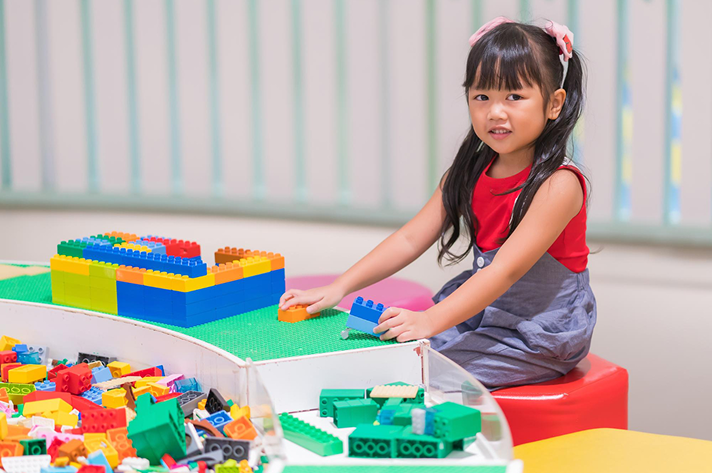
For example, during a mathematics activity, one student may need concrete objects such as blocks or counters to understand basic number concepts, while another may be ready to solve more abstract problems. By adjusting instruction accordingly, educators can support both learners effectively while maintaining engagement and confidence.
How Tailoring To The Child’s Learning Style Makes For Effective Learning
Every child has a preferred way of processing information and engaging with new concepts. Tailoring lessons to match these preferences can significantly improve comprehension, retention, and motivation.
This is important because effective learning occurs when children are actively engaged and able to connect with the material being taught. When educators understand how a child learns best, they can create experiences that make learning more meaningful and enjoyable.
For example, a child who learns through movement may better understand counting concepts through physical games that involve jumping, clapping, or sorting objects around the classroom. Meanwhile, a child who prefers visual learning may benefit from charts, illustrations, and colourful learning materials. These personalised approaches can make lessons more accessible and effective for different learners.
Why Personalised Attention Matters
Personalised attention plays a critical role in helping children reach their full potential. By recognising individual needs and adapting support accordingly, educators can create learning experiences that build confidence, encourage curiosity, and strengthen academic foundations.
The importance of personalised attention becomes even more evident during the early years, when children are developing fundamental skills that influence future learning and development. A strong start during these formative years can have lasting positive effects on educational outcomes and overall wellbeing.
Learning Is Not Linear
Children do not progress through developmental milestones in exactly the same way or at the same pace. Learning is often uneven, with children demonstrating strengths in some areas while requiring additional support in others.
Recognising that learning is not linear allows educators to provide targeted support that meets children where they are in their developmental journey. This prevents unnecessary frustration and helps maintain positive attitudes towards learning.
For example, a child may demonstrate advanced language skills while requiring additional support in fine motor development. Personalised attention allows teachers to celebrate the child’s strengths while providing opportunities to strengthen areas that need further development.
A Child’s Best Learning Phase Is During The Developmental Years
The early years are often regarded as one of the most significant periods of brain development. During this stage, children form neural connections at a remarkable rate, making it an ideal time to establish foundational skills and positive learning habits.
This makes personalised attention particularly valuable because targeted support during these years can have a lasting impact on future academic and personal development. When children receive guidance that aligns with their developmental needs, they are more likely to build confidence and develop a positive relationship with learning.
A good example can be seen when teachers identify a child’s interest in nature and incorporate related themes into literacy, science, and creative activities. By connecting learning to the child’s interests, educators can increase engagement and deepen understanding across multiple subject areas.
Foundation Of Learning Relies On Understanding
True learning occurs when children understand concepts rather than simply memorising information. Personalised attention allows educators to assess comprehension continuously and adjust instruction to ensure that understanding is achieved.
This is important because having a strong foundational understanding supports future learning. Children who genuinely understand concepts are more likely to apply their knowledge effectively and build upon it as they progress through their educational journey.
For instance, rather than encouraging a child to memorise number sequences, a teacher may use hands-on counting activities to help them understand quantity and numerical relationships. This deeper understanding provides a stronger foundation for future mathematical learning.
Benefits of Personalised Learning Over Conventional Learning
There are differences between personalised learning and conventional learning in various areas of learning, such as:
| Area of Learning | Personalised Learning | Conventional Learning |
| Learning Pace | Adapts to the individual child’s pace and developmental needs | Typically follows a fixed pace for all students |
| Student Engagement | Encourages active participation through personalised experiences | May not always accommodate individual interests or preferences |
| Understanding | Focuses on ensuring deep understanding before progression | Often prioritises curriculum completion within fixed timelines |
| Confidence | Builds confidence by recognising strengths and providing appropriate support | Some learners may struggle if instruction does not match their needs |
| Learning Style Adaptation | Uses varied teaching strategies to suit different learners | Often relies on standardised teaching methods |
| Motivation | Increases motivation by connecting learning to student interests | Motivation may vary depending on how relevant students find the content |
| Academic Growth | Allows targeted intervention and enrichment opportunities | May provide limited flexibility for individual learning differences |
Steps Educators Can Adopt To Employ Personalised Attention In Their Teaching Methods
Implementing personalised attention requires intentional planning, observation, and flexibility. Educators play a key role in creating learning environments that respond to individual student needs while maintaining meaningful educational experiences for the entire class.
One effective strategy is conducting regular observations to understand each child’s strengths, interests, and developmental progress. By gathering this information, teachers can make informed decisions about lesson design, classroom activities, and support strategies.
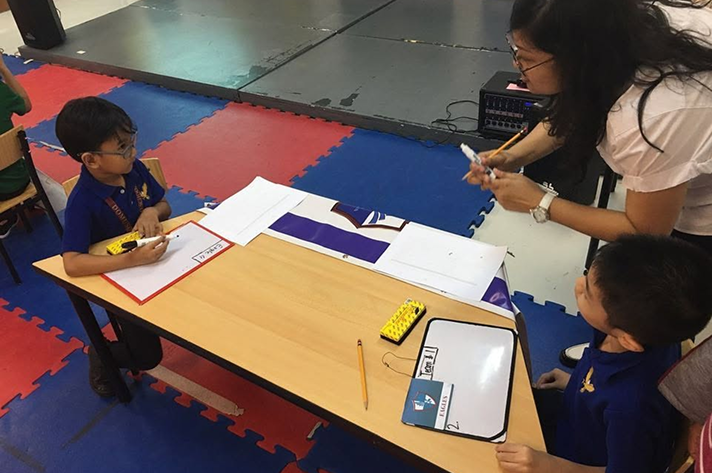
Another important step is incorporating differentiated instruction. This involves providing multiple pathways for learning, allowing children to engage with concepts through different methods. For example, a lesson may include visual resources, hands-on activities, storytelling, and group discussions to accommodate diverse learning preferences.
Educators can also establish strong communication with families to gain deeper insights into each child’s interests, behaviours, and learning experiences outside the classroom. Parents often provide valuable information that helps teachers personalise learning more effectively.
Technology can further support personalised attention by providing adaptive learning tools that respond to individual progress and learning needs. When used thoughtfully, these resources can help educators monitor development and provide targeted support.
Finally, fostering a supportive classroom environment where children feel safe to ask questions, make mistakes, and express themselves is essential. Personalised attention thrives in settings where learners feel valued, understood, and encouraged to explore their potential.
Conclusion
Personalised attention has become an increasingly important component of quality early childhood education because it recognises that every child learns differently. By adapting teaching methods, responding to individual learning styles, and providing targeted support, educators can create meaningful learning experiences that strengthen understanding, confidence, and engagement. During the crucial developmental years, these personalised approaches help children build strong foundations that support future academic and personal success.
As the education sector continues to embrace more learner-centred approaches, personalised learning is becoming a valuable tool for helping children thrive. Whether through differentiated instruction, flexible teaching methods, or strong partnerships between educators and families, personalised attention ensures that every child has the opportunity to reach their full potential. Ultimately, supporting individual learning needs during early learning can help nurture curious, confident, and capable learners who are prepared for lifelong success.
Find out how we incorporate personalised attention in our programmes in Domuschola International School, one of the best private elementary schools in Pasig.
FAQ
1. What is personalised attention in early childhood education?
Personalised attention refers to adapting teaching methods, support, and learning experiences to meet the unique needs, abilities, interests, and learning styles of individual children.
2. Why is personalised learning important in the early years?
Personalised learning helps children develop confidence, improve understanding, and engage more effectively with learning experiences during a critical stage of development.
3. How do teachers provide personalised attention in a classroom setting?
Teachers provide personalised attention by observing students, differentiating instruction, adapting activities, offering targeted support, and using teaching methods that align with individual learning styles.
4. What role do parents play in supporting personalised early childhood education?
Parents support personalised learning by sharing insights about their child’s interests, strengths, behaviours, and developmental needs while reinforcing learning experiences at home.
5. Does personalised attention in early childhood improve long-term academic performance?
Research suggests that personalised attention can strengthen foundational skills, improve engagement, and build confidence, all of which contribute positively to long-term academic success.