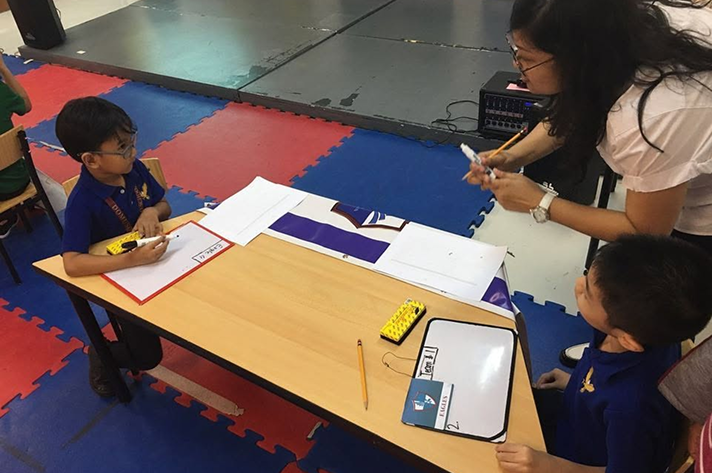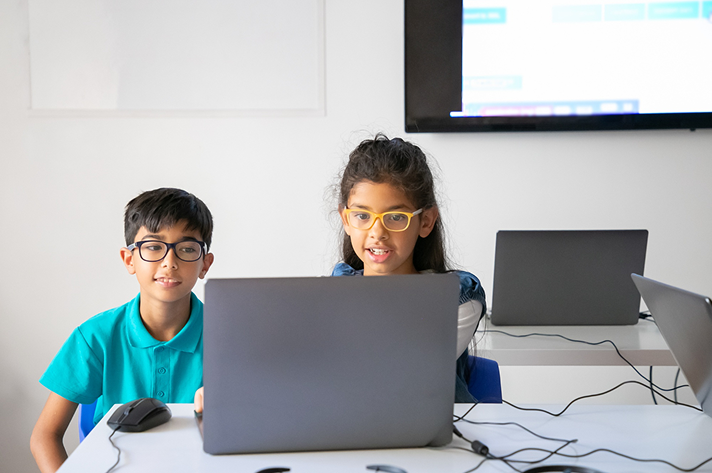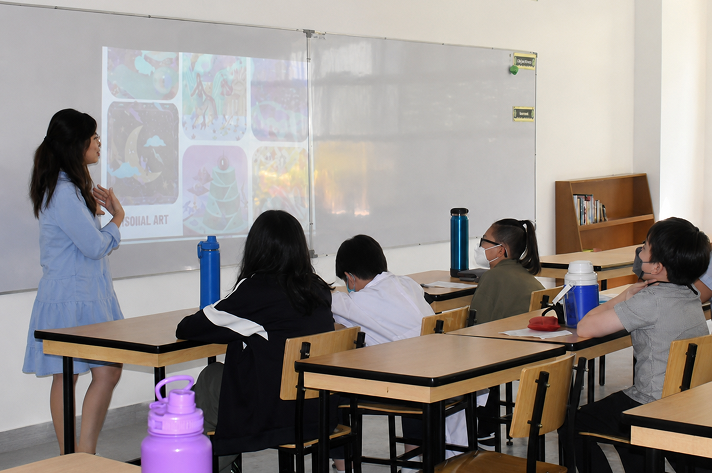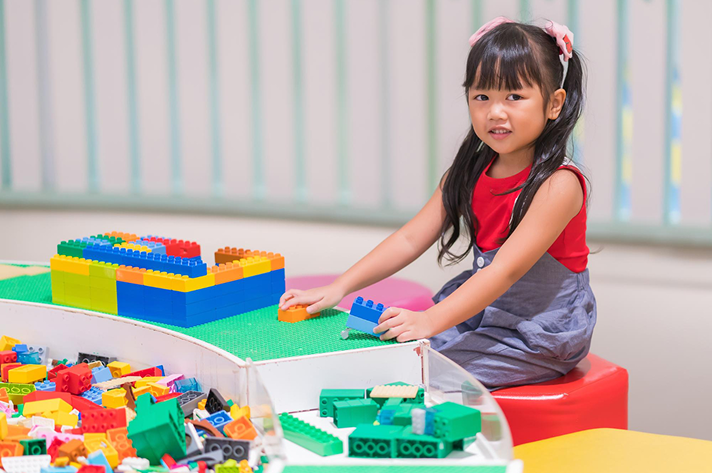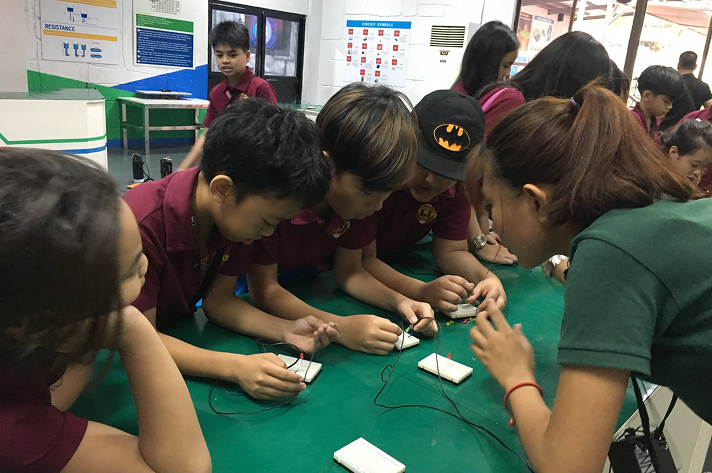

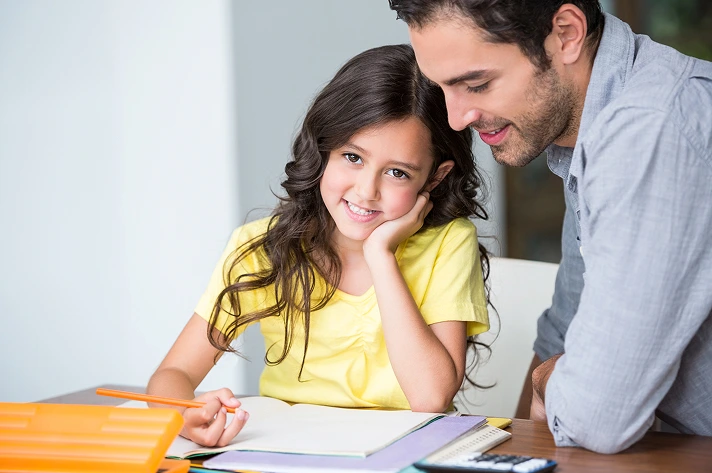
Education does not begin and end within classroom walls. While schools provide structured learning environments, the home remains a child’s first and most influential place of growth. Parental guidance in education refers to the active role parents play in supporting their child’s academic, moral, emotional, and social development. When families and schools work together, children are far more likely to thrive both academically and personally. From the preschool level right up to even IB Diploma Programme, parental involvement throughout the academic journey will ensure your kids will receive better development.
- Supporting learning beyond school hours strengthens children’s academic and developmental progress
- Positive reinforcement from parents shapes moral character and values
- Emotional guidance at home builds emotional intelligence and responsible behaviour
- Active parental involvement helps reduce absenteeism and strengthens school commitment
- Open communication between parents and teachers enhances collaboration and student outcomes
Understanding the importance of parental guidance allows families to see how their everyday actions significantly influence their child’s educational journey.
Beyond School Hours: Helping Kids To Learn And Develop Further
Learning does not stop when the school day ends. Beyond school hours, children continue to absorb knowledge, practise skills, and develop attitudes towards learning. Parents play a key role in reinforcing classroom lessons and creating an environment that encourages curiosity and independent thinking.
This subject matter directly relates to parental guidance in education because consistent support at home strengthens what children learn at school. When parents show interest in assignments, encourage reading, or engage in meaningful discussions, they reinforce the value of education. This continuity between school and home fosters deeper understanding and sustained motivation.
Proven examples include setting aside daily reading time, helping children organise their homework schedule, or encouraging educational activities such as museum visits or creative projects. Even simple conversations about what a child learned during the day can improve comprehension and retention. These actions demonstrate the powerful role of parents in education, extending learning beyond formal instruction.
Positive Reinforcement: How Parents Play A Vital Role In The Moral Development Of Their Kids
Children develop their sense of right and wrong primarily through observation and guidance at home. Positive reinforcement — praising effort, recognising good behaviour, and modelling respect — plays a critical role in shaping moral character.
This aspect highlights the importance of parental guidance because values such as honesty, empathy, responsibility, and perseverance are often first cultivated within the family. While schools reinforce character education, parents provide daily examples that children internalise. When guidance at home aligns with school values, children experience consistency that strengthens moral development.
Examples of positive reinforcement include acknowledging a child’s effort rather than just outcomes, encouraging acts of kindness, and calmly addressing mistakes as learning opportunities. Parents who practise consistent expectations and compassionate correction help children develop strong ethical foundations. Such guidance shapes not only academic success but also long-term personal integrity.
Guiding Guardians: How Parents Are Essential To Developing Their Emotional Intelligence and Behaviour
Emotional intelligence — the ability to recognise, understand, and manage emotions — is fundamental to a child’s overall development. Parents serve as primary role models in teaching children how to express feelings appropriately, resolve conflicts, and practise empathy.
This subject matter reinforces the role of parents in education, as emotional wellbeing directly influences academic performance. Children who feel emotionally secure are more confident in participating in class, building friendships, and managing challenges. Parental guidance provides the emotional framework that supports resilience and self-regulation.
Proven examples include parents helping children label their emotions, guiding them through problem-solving discussions, and modelling calm responses during stressful situations. Encouraging children to reflect on their actions and consider others’ perspectives nurtures emotional maturity. These daily interactions contribute significantly to the broader scope of parental involvement in education, as emotionally balanced children are better prepared to engage in learning.
Parental Involvement: Helping Kids Reduce Absenteeism At School
Consistent school attendance is essential for academic progress. Children who miss school frequently often struggle to keep pace with lessons and may feel disconnected from their peers. Parents play a crucial role in ensuring regular attendance and reinforcing the value of commitment.
This aspect underscores the importance of parental guidance in maintaining educational continuity. When parents establish routines, prioritise punctuality, and communicate the significance of attending school, children are more likely to develop responsible habits. Active parental involvement in education also signals to children that school is a shared priority.
Examples include maintaining structured morning routines, addressing concerns that may cause reluctance to attend school, and communicating promptly with teachers when absences are unavoidable. Studies consistently show that students with engaged parents have higher attendance rates and improved academic outcomes. By promoting accountability and support, parents help create stable educational pathways.
Better Communication: How Parents’ Involvement Improves Parent-Teacher Relationships
Effective education is strongest when parents and teachers collaborate. Open communication ensures that both parties share insights about a child’s strengths, challenges, and progress. When parents actively participate in school life, they contribute to a supportive and transparent educational environment.
This subject matter directly relates to parental guidance in education, as strong partnerships between home and school enhance consistency in expectations and support. Regular communication allows early identification of concerns and coordinated strategies to address them. It also fosters trust and mutual respect between families and educators.
Proven examples include attending parent-teacher conferences, responding promptly to school communications, and participating in school events or workshops. Many schools provide digital platforms for updates and feedback, making communication more accessible than ever. When parents remain engaged and informed, they strengthen the overall learning experience for their child.
Conclusion
Parental guidance in education is far more than assisting with homework; it is a continuous partnership that shapes a child’s academic, emotional, and moral development. From supporting learning beyond school hours and reinforcing positive values to nurturing emotional intelligence, ensuring consistent attendance, and fostering open communication with teachers, the role of parents in education is both profound and transformative. The importance of parental guidance lies in its ability to create alignment between home and school, empowering children to grow into confident, responsible, and capable individuals. When families actively embrace parental involvement in education, they lay a strong and enduring foundation for lifelong learning and success.