
Choosing an international school involves much more than comparing curricula, facilities, fees, and academic results. Parents are also entrusting a school with their child’s physical safety, emotional wellbeing, and security for a significant part of each day. For families relocating to a new country or enrolling their child in an unfamiliar educational environment, understanding how a school protects its students should therefore be an important part of the decision-making process.
A safe school should provide more than gates, guards, and surveillance cameras. Effective student safety encompasses physical security, emergency preparedness, safeguarding policies, emotional wellbeing, and online safety for students. Parents considering schools for international students should look at how these different areas work together to create an environment where children can feel secure, confident, and ready to learn.
In this guide, we will explore:
- Understanding what school safety really means: Why a safe school environment extends beyond physical security.
- Why safety matters more during early transitions: How security and wellbeing can help children adjust to a new school.
- Key factors when evaluating a school’s safety: What parents should examine when comparing safety policies, facilities, staff practices, and digital safeguards.
- Signs of a school that prioritises safety: How parents can identify whether safety is embedded within everyday school culture.
- Benefits of strong safety standards: Why security can influence learning, wellbeing, and parental confidence.
- Common mistakes when assessing school safety: What parents can overlook during the selection process.
- Staying involved beyond enrolment: How families can continue supporting their child’s safety after joining the school.
Understanding What School Safety Really Means
School safety refers to the policies, practices, facilities, and relationships that protect students from preventable physical, emotional, and digital risks. While visible security measures for schools are important, they represent only one part of an effective safeguarding environment.
A comprehensive approach should consider how students enter and leave campus, how visitors are managed, how emergencies are handled, how bullying concerns are addressed, how children’s personal information is protected, and how teachers respond when a student needs help. These interconnected safety measures contribute to an environment where students can focus on learning rather than feeling uncertain or vulnerable.
For example, a secure entrance may control who enters the campus, while established emergency procedures help staff respond appropriately to unexpected situations. At the same time, anti-bullying practices, counselling support, and responsible technology policies contribute to students’ emotional and digital security.
Why Safety Matters More During Early Transitions
Starting at a new school can be both exciting and challenging. Children must become familiar with new teachers, classmates, routines, classrooms, and expectations. International students may also be adjusting to a different country, culture, curriculum, or language.
A safe and welcoming environment can provide stability during this transition. When children know where to go for assistance, understand classroom routines, and trust the adults around them, they are more likely to develop a sense of belonging.
This connection between security and student wellbeing is particularly important during the early weeks of school. A child who feels comfortable approaching a teacher about a concern, for example, can receive support before the issue becomes more disruptive. Similarly, clear routines for arrival, dismissal, and classroom movement can reduce uncertainty for younger learners.
Key Factors to Consider When Evaluating a School’s Safety
Parents should evaluate school safety as a combination of physical, procedural, emotional, and digital safeguards rather than relying on a single feature.
Campus Access and Physical Security
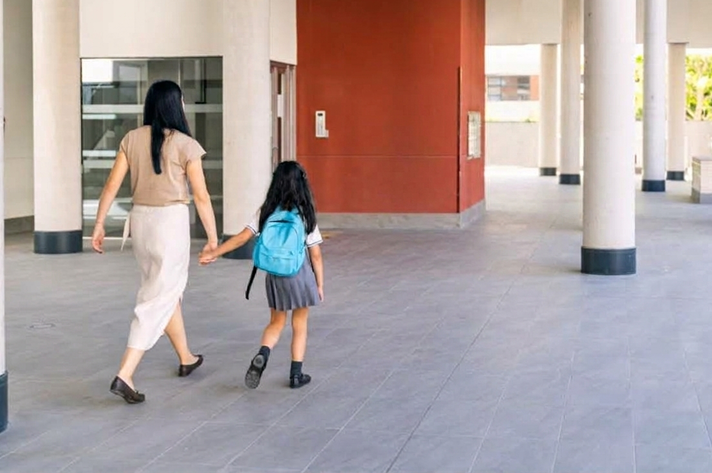
Controlled campus access is one of the most visible aspects of school security. Parents should consider how the school manages entrances, visitors, student arrivals and departures, and access to learning areas.
These procedures matter because effective security measures for schools should reduce unnecessary access without creating an environment that feels intimidating to children.
During a campus visit, parents might observe whether visitors are required to register, whether entry points are supervised, and whether clear procedures exist for collecting younger students.
Emergency Preparedness
Schools should have procedures for responding to emergencies and ensure that staff and students understand their respective roles.
Preparedness is important because even well-designed campuses cannot eliminate every unexpected situation. The ability to respond calmly and systematically can therefore be just as important as preventative measures.
Parents can ask whether the school conducts emergency drills, provides first-aid support, trains relevant staff, and maintains clear communication procedures for families during emergencies.
Student Safeguarding and Wellbeing
A strong safety culture should protect children’s emotional as well as physical wellbeing. Parents should understand how a school prevents and responds to bullying, inappropriate behaviour, harassment, and other safeguarding concerns.
This is closely connected to student wellbeing because children learn more effectively when they feel respected and supported.
For example, accessible teachers, counsellors, pastoral systems, and clear reporting procedures can provide students with trusted channels for raising concerns.
Online and Digital Safety
As technology becomes increasingly integrated into primary and secondary education, digital safeguarding deserves the same attention as physical security.
Effective online safety for students involves teaching children how to use technology responsibly while establishing safeguards around school networks, devices, privacy, communication, and digital behaviour.
Age-appropriate digital citizenship lessons, responsible-use expectations, and guidance on recognising unsafe online interactions are practical examples of how schools can help students develop safer technology habits.
Signs of a School That Prioritises Safety
One of the clearest signs of a safe school is consistency. Policies should be reflected in everyday practices rather than existing only in handbooks or promotional materials.
During a campus visit, parents can observe whether entrances are appropriately monitored, staff know students, classrooms appear organised, and children seem comfortable approaching teachers. Schools should also be able to explain their safeguarding, emergency, dismissal, and visitor-management procedures clearly.
Transparency is equally important. A school that prioritises safety should be willing to discuss its approach with parents and explain how concerns are reported and handled while appropriately protecting student privacy.
Benefits of Choosing a School with Strong Safety Standards
Strong safety standards create conditions in which children can concentrate on learning, building relationships, and exploring new experiences. Students who feel secure are better positioned to participate confidently in classroom discussions, collaborative projects, extracurricular activities, and school events.
Safety also contributes to stronger student wellbeing. Consistent expectations and trusted adults can give children greater confidence to seek help and communicate concerns.
Parents benefit as well. Knowing that appropriate safety measures are embedded throughout daily school life can provide greater peace of mind and allow families to focus on their child’s academic and personal development.
Common Mistakes Parents Make When Assessing School Safety
A common mistake is evaluating safety entirely through visible security infrastructure. Cameras, guards, fences, and controlled entrances are valuable, but they do not reveal how effectively a school manages safeguarding, wellbeing, emergencies, or digital risks.
Another mistake is assuming that a school’s reputation automatically guarantees its safety practices. Parents should ask specific questions rather than relying exclusively on recommendations, rankings, or promotional materials.
Families can also overlook online safety for students when evaluating a school. As children increasingly use digital platforms for research, communication, and assignments, parents should understand how technology use is supervised and how responsible digital behaviour is taught.
Finally, parents should avoid treating safety as a question that ends once school admission is complete. Children’s circumstances and needs evolve, making ongoing communication between families and educators essential.
Tips for Parents to Stay Involved in Their Child’s Safety Beyond Enrolment
Parents remain important partners in school safety after their child enrols. Maintaining open communication is one of the most effective ways to stay informed about a child’s experiences.
Families can regularly ask children about friendships, classroom experiences, transport arrangements, online interactions, and how comfortable they feel seeking help. These conversations should provide children with opportunities to discuss concerns without making ordinary school experiences feel unnecessarily alarming.
Parents can also stay familiar with school policies, attend relevant orientations, keep emergency contact details current, and communicate significant changes that could affect their child’s wellbeing.
Most importantly, school safety works best as a partnership. When families, educators, and students communicate openly, potential concerns can be identified earlier and children receive consistent guidance both at home and at school.
Conclusion
Evaluating safety is an essential part of choosing among international schools in Manila or elsewhere in the Philippines. Academic programmes and facilities matter, but children also need an environment where their physical security, emotional wellbeing, and digital safety are treated as everyday priorities.
Parents should therefore examine more than visible security measures for schools. Campus access, emergency preparedness, safeguarding practices, online safety for students, communication, and student wellbeing collectively provide a clearer picture of a school’s approach.
For families comparing schools for international students, the goal should be to find an environment where effective safety measures support rather than overshadow learning. By asking thoughtful questions during the selection process and remaining involved after enrolment, parents can make a more informed choice and help provide their child with a secure foundation for academic, social, and personal growth.